
See all articles
Figure 03 review: home humanoid robot specs, Helix AI features & expected pricing. Is it worth waiting for? Complete 2026 analysis inside.
Key Takeaways
- Target price: ~$20,000 — positioning it against 1X NEO and below Tesla Optimus
- First home-focused humanoid from a major robotics company with $39B valuation
- Helix AI learns tasks from 80 hours of demo footage, not explicit programming
- Not available yet — consumer availability targeted for late 2026
- Current limitations: Still struggles with complex tasks like folding T-shirts
What Is the Figure 03?
The Figure 03 is a $20,000 home-focused humanoid robot from Figure AI, announced October 2025, powered by their proprietary Helix AI that learns household tasks by watching humans. Unlike industrial humanoids, the Figure 03 features soft textile coverings, wireless charging, and tactile sensors sensitive enough to detect a paperclip's weight — all designed for safe operation in home environments.
Figure AI is one of the best-funded companies in humanoid robotics, with a $39 billion valuation following its September 2025 Series C round. Investors include NVIDIA, Jeff Bezos, OpenAI, and Microsoft. The company plans to ship 100,000 humanoid robots over the next four years from its dedicated BotQ manufacturing facility.
What Are the Figure 03 Specifications?
The Figure 03 stands 5'6" tall, weighs 61 kg, carries 20 kg payload, and runs for 5 hours on a single wireless charge. It's 9% lighter than the Figure 02 while offering 2x faster actuators and significantly improved sensors for home navigation.
How Much Does the Figure 03 Cost?
The Figure 03 targets approximately $20,000 for consumer purchase, though official pricing hasn't been confirmed. This positions it alongside 1X Technologies' NEO ($20,000) and well below industrial humanoids like Agility Digit ($250,000+). Early industrial deployments of Figure 02 ranged from $30,000-$150,000.
The $20,000 target is aggressive. Achieving this price point requires the manufacturing efficiencies Figure is building into BotQ, their dedicated production facility capable of 12,000 units annually scaling to 100,000 over four years.
Current availability: The Figure 03 is not available for purchase. The company is deploying units to select partners for testing, with broader home availability targeted for late 2026.
What Makes the Figure 03 Different from Other Robots?
How Does Helix AI Work?
Helix is Figure's vision-language-action (VLA) model that learns tasks from demonstration videos rather than explicit programming. Figure achieved towel-folding capability with only 80 hours of training footage — dramatically faster than traditional robotics development.
The Figure 03 introduces significant sensor upgrades to support Helix:
- 2x frame rate on the camera system
- 75% lower latency in visual processing
- 60% wider field of view per camera
- Palm cameras embedded in each hand for close-range visual feedback
- 10 Gbps mmWave data offload for fleet-wide learning
How Sensitive Are the Tactile Sensors?
The Figure 03's fingertip sensors detect forces as small as 3 grams — sensitive enough to feel a paperclip's weight. Figure developed these proprietary sensors after finding existing market options inadequate. This sensitivity allows Helix to detect grip slippage before it happens and handle fragile objects safely.
What Home-Safety Features Does It Have?
- Soft textile covering instead of hard plastic/metal (washable, replaceable without tools)
- 9% lighter than Figure 02 for easier maneuvering in tight spaces
- Multi-density foam at pinch points for collision safety
- Wireless inductive charging via foot coils (2 kW) — robot steps onto charging pad
- UN38.3 certified battery with multi-layer safety protections
- Upgraded audio: 2x larger speaker, 4x more powerful, repositioned microphone for voice commands
What Can the Figure 03 Actually Do Right Now?
In demonstrations, the Figure 03 successfully folds towels, loads dishwashers, clears tables, and loads laundry — but it still struggles with complex tasks and can't yet operate autonomously all day.
Based on TIME's August 2025 visit to Figure HQ:
Demonstrated capabilities:
- Folding towels and laundry
- Loading dishwashers
- Clearing clutter from tables
- Loading items into washer/dryer
- Navigating household environments
- Speech-based interaction and task delegation
Current limitations (per TIME reporting):
- Dropped laundry during demos and couldn't pick it up from floor
- Struggled with folding T-shirts
- Towel folding often catches on basket edges, requiring reset
- Not yet capable of "most things in your home, autonomously, all day" (per CEO Adcock)
Figure is transparent about these limitations. CEO Adcock aims for full home autonomy in 2026 but acknowledged "it's a big push."
How Does Figure 03 Compare to Tesla Optimus and 1X NEO?
The Figure 03 competes directly with 1X NEO on price (~$20,000) and home focus, while Tesla Optimus prioritizes industrial applications first at higher cost ($25,000-$50,000).
For detailed comparisons, see our Figure 02 Review and 1X NEO Review.
Should You Buy the Figure 03?
Wait. The Figure 03 is not available for consumer purchase and won't be until late 2026 at earliest. Even then, initial home deployments will be limited to select partners.
Who should watch this closely:
- Enterprise buyers in manufacturing, logistics, or warehousing exploring humanoid automation
- Early adopters with $20K+ budget who want to be among the first home humanoid users
- Investors tracking the humanoid robotics market
Who should look elsewhere:
- Anyone needing a home robot now — consider telepresence robots or service robots available today
- Budget-conscious buyers — Unitree's G1 ($16,000) or H1 ($90,000) are available now
The Bottom Line
The Figure 03 represents the most serious attempt yet at a home-capable humanoid robot from a well-funded, credible company. The Helix AI, tactile sensing, and home-ready design features are genuine innovations. But the gap between demos and reliable daily home operation remains significant.
Figure's $39B valuation reflects investor confidence in the team and vision, not current capabilities. CEO Adcock believes general robotics is solvable "within 24 months, maybe 18." If that bet pays off, the Figure 03 could be the first humanoid robot that actually works in homes. If not, it's an expensive engineering prototype.
Frequently Asked Questions About the Figure 03
When will the Figure 03 be available to buy?
Figure AI targets late 2026 for limited home deployments. The robot is currently being tested with select partners. No public pre-order or purchase option exists yet — check Robozaps for availability updates.
How much will the Figure 03 cost?
The target price is approximately $20,000, though this hasn't been officially confirmed. Industrial/enterprise pricing may differ from eventual consumer pricing.
Can the Figure 03 do laundry and dishes?
In demos, yes — but with limitations. The Figure 03 has successfully loaded dishwashers, folded towels, and loaded laundry. However, it still struggles with some tasks (like folding T-shirts) and isn't yet capable of fully autonomous household operation all day.
How does the Figure 03 compare to Tesla Optimus?
Both target similar price points ($20K-$50K), but Figure 03 is explicitly designed for home use with soft textiles and safety features, while Tesla Optimus Gen 3 prioritizes industrial applications first. Figure has demonstrated more home-focused capabilities; Tesla has manufacturing scale advantages.
Is Figure AI a legitimate company?
Yes — Figure AI is one of the most credible humanoid robotics companies. They've raised over $1.9 billion from investors including NVIDIA, Jeff Bezos, OpenAI, and Microsoft, with a $39 billion valuation. They've shipped Figure 02 units to BMW for factory deployment and operate the BotQ manufacturing facility.
What tasks can the Figure 03 perform in a home?
Demonstrated tasks include: folding towels, loading dishwashers, clearing tables, loading laundry, and navigating rooms while responding to voice commands. It learns new tasks by watching humans via its Helix AI system.
How long does the Figure 03 battery last?
The Figure 03 runs for 5 hours on a single charge and uses wireless inductive charging — it simply steps onto a charging pad rather than requiring cable connection.
Telepresence robots explained: top models, use cases & how they compare to humanoid robots. Complete guide to remote presence solutions.
The way we work, learn, and receive healthcare has fundamentally changed. As organizations embrace hybrid models and remote collaboration, telepresence robots have emerged as the ultimate solution for maintaining human connection across distances. Unlike standard video conferencing, these mobile robotic platforms give remote users a physical presence—allowing them to move freely, interact naturally, and participate as if they were actually there.
A telepresence robot is a remotely controlled mobile device with a camera, screen, and speakers that lets you physically "be" somewhere you're not—moving through spaces, joining conversations, and interacting with people from anywhere in the world. Prices range from $1,400 to $32,000+, with ROI often achieved within 12-24 months through reduced travel costs.
Key Takeaways
- Market growth: Telepresence robot market projected to reach $989 million by 2030 (14.86% CAGR)
- Price range: $1,400 (PadBot) to $32,000+ (Ava 500), with popular mid-range options at $4,000-$5,000
- Best value: Double 3 (Note: Currently sold out) ($4,499) for business; Ohmni ($2,000-$4,095) for budget buyers
- ROI timeline: Most organizations see positive ROI within 1-2 years from reduced travel
- Top use cases: Remote work, healthcare telemedicine, education for homebound students
What Is a Telepresence Robot?
A telepresence robot is a remotely controlled, mobile robotic device equipped with a camera, display screen, microphone, and speaker that allows a user to interact with people and navigate physical spaces from a remote location. Think of it as your digital avatar—a robot body you can "pilot" from anywhere in the world through a web browser or mobile app.
Unlike traditional video conferencing where you're confined to a fixed camera angle, telepresence robots offer:
- Mobility: Move freely through offices, hospitals, factories, or classrooms
- Physical presence: Stand at eye level with colleagues during conversations
- Autonomous navigation: Many models can navigate independently around obstacles
- Spontaneous interaction: Drop by someone's desk or join impromptu hallway conversations
The global telepresence robot market is experiencing explosive growth, projected to reach USD 989 million by 2030, growing at a CAGR of approximately 14.86%. This surge is driven by the permanent shift to hybrid work, advances in 5G connectivity, and increasing adoption in healthcare and education sectors.
What Are the Primary Use Cases for Telepresence Robots?
How Do Telepresence Robots Help Remote Workers?
For distributed teams, telepresence robots transform how remote employees participate in office life. Rather than being a face on a screen in a conference room, remote workers can join spontaneous discussions, tour facilities, and attend networking events.
Companies like Google, Microsoft, and Intel have deployed fleets of telepresence robots to keep their distributed workforces connected. For more on how robotics is transforming the workplace, check out our dedicated guide.
How Are Telepresence Robots Used in Healthcare?
The healthcare sector has become one of the largest adopters of telepresence technology. Medical telepresence robots enable remote patient consultations, ICU monitoring without physical exposure, family visits to isolated patients, and remote medical education.
The COVID-19 pandemic accelerated healthcare adoption dramatically. Learn more about how robots are revolutionizing healthcare in our comprehensive healthcare robotics guide.
What About Telepresence Robots in Education?
Telepresence robots are transforming educational experiences for students who cannot physically attend school. Homebound students with chronic illness can attend classes, international students can participate in exchange programs virtually, and prospective students can explore universities remotely.
Schools from K-12 to universities are deploying telepresence robots to ensure no student is left behind. For an in-depth look at educational applications, see our guide on robots in education.
What Are the Top Telepresence Robots in 2026?
The telepresence robot market features several established players, each targeting different use cases and budgets. Here's our comprehensive breakdown of the leading options:
Double 3 (Note: Currently sold out) by Double Robotics
Best for: Business and enterprise environments
Double Robotics pioneered the modern telepresence robot market and continues to lead with the Double 3 (Note: Currently sold out). This self-driving robot features an array of 3D sensors for autonomous navigation and obstacle avoidance.
Key Features:
- Click-to-drive interface with mixed reality overlay
- Two 13MP cameras with unified pan-tilt-zoom
- Six beamforming microphones for superior audio
- Self-driving with automatic obstacle avoidance
- Height-adjustable (47-60 inches), 4-hour battery life
Price: $4,499 (includes charging dock)
Ohmni by OhmniLabs
Best for: Budget-conscious buyers and home use
Recognized by ZDNET as the "best budget telepresence robot," Ohmni offers excellent value without compromising on essential features. Made in the USA, Ohmni robots are known for their reliability and ease of setup.
Key Features:
- 13MP zoom camera with wide-angle navigation camera
- One-click connection via web browser
- Quick setup (minutes, not hours)
- 14-day money-back guarantee
Price: $2,000-$4,095 | Cloud: $300-$780/year
Ava 500 by Ava Robotics
Best for: Large enterprise deployments
Ava Robotics, an iRobot spinoff, offers the most sophisticated enterprise-grade telepresence solution. The Ava robot features truly autonomous navigation—users simply click a destination on a map, and Ava drives itself there.
Key Features:
- Full autonomous navigation with LIDAR mapping
- Cisco Webex integration for enterprise video
- Enterprise-grade security and fleet management
Price: ~$32,000 (purchase) or $1,000-$2,500/month (lease)
Beam Pro by Awabot
Best for: Healthcare and high-security environments
The Beam product line, now owned by Blue Ocean Robotics and distributed by Awabot, remains a gold standard in telepresence. Trusted by Fortune 500 companies and healthcare institutions worldwide.
Key Features:
- 17-inch widescreen display with wide-angle camera
- Military-grade encryption for secure communications
- Crash avoidance technology and auto-docking
Price: $15,000-$13,500
GoBe Robot by Blue Ocean Robotics
Best for: Sustainability-focused organizations
GoBe Robots positions itself as the eco-friendly choice, emphasizing CO2 reduction through reduced business travel. Each robot can eliminate up to 3.1 tons of CO2 emissions per person annually.
Key Features:
- 4K zoomable camera with wide-angle front camera
- Smooth, quiet operation with easy web interface
- Focus on sustainability metrics
Price: Contact for quote (typically $10,000-$15,000)
VGo
Best for: Healthcare and education
VGo has carved out a strong niche in healthcare and education with its reliable, enterprise-grade platform featuring lights and auto-answering capabilities for institutional deployments.
Price: $4,875+
PadBot Series by Inbot Technology
Best for: Budget-friendly consumer and SMB use
The PadBot series offers some of the most affordable telepresence options on the market, with models ranging from consumer-friendly prices to professional-grade solutions.
Price: $1,427-$14,899 (depending on model)
How Do Telepresence Robot Prices Compare?
What Are the Pros and Cons of Telepresence Robots vs Video Conferencing?
While Zoom, Teams, and Google Meet have become ubiquitous, telepresence robots offer distinct advantages—and some trade-offs—compared to traditional video conferencing.
Advantages of Telepresence Robots
Physical Presence and Mobility: You're not stuck in one spot. Walk through the office, visit different departments, or conduct facility tours. This mobility creates engagement opportunities impossible with static video calls.
Eye-Level Interaction: Height-adjustable displays put you at eye level with colleagues, creating more natural, equal conversations rather than looking down from a wall-mounted screen.
Spontaneous Engagement: Roll up to someone's desk for a quick chat or join an impromptu whiteboard session. These "water cooler" moments are crucial for culture and collaboration.
Better Engagement: People pay more attention to a robot moving toward them than a video tile on a screen. Studies show telepresence robots increase meeting engagement significantly.
Disadvantages of Telepresence Robots
Higher Cost: Even budget models cost $1,500+, compared to free video conferencing software. Enterprise solutions can reach $30,000+.
Physical Limitations: Stairs, narrow doorways, and uneven surfaces can limit where robots can go. Most are designed for flat, indoor environments.
Setup and Maintenance: Robots require charging, occasional software updates, and physical maintenance—more overhead than a Zoom subscription.
Network Dependencies: Robots require reliable WiFi coverage throughout the facility. Dead zones mean your robot presence disappears.
How Do You Calculate Business ROI for Telepresence Robots?
For businesses considering telepresence robots, understanding the return on investment is crucial. Most organizations see positive ROI within 1-2 years from reduced travel costs alone.
Cost Factors
- Hardware: $1,500-$32,000 per robot
- Cloud/Software subscriptions: $300-$1,000/year
- IT setup and integration: Variable
- Maintenance: ~5-10% of purchase price annually
Savings Factors
Travel Cost Reduction: The average business trip costs $1,200-$2,500. If a telepresence robot eliminates even 10-15 trips per year, it can pay for itself within 1-2 years.
Example calculation:
- Robot cost: $5,000
- Average trip saved: $1,500
- Trips replaced per year: 5
- Annual savings: $7,500
- ROI: 150% in year one
Productivity Gains: Remote executives using telepresence robots report 20-40% more effective collaboration compared to video conferencing alone.
Environmental Benefits: GoBe Robots calculates that each robot can eliminate up to 3.1 tons of CO2 emissions per person annually—quantifiable ESG value for sustainability-focused organizations.
Industry-Specific ROI Considerations
Healthcare: Calculate specialist consultation fees, reduced patient transfers, and infection control benefits.
Manufacturing: Value remote inspections, reduced downtime from faster expert access, and quality control improvements.
Education: Consider student retention rates, tuition from homebound students, and reduced substitute teacher costs.
Where Can You Buy Telepresence Robots?
Purchasing a telepresence robot is straightforward with several options available through manufacturers and authorized retailers.
Direct from Manufacturers
- Double Robotics: doublerobotics.com
- OhmniLabs: ohmnilabs.com
- Ava Robotics: avarobotics.com
- Awabot (Beam): awabot.com
- GoBe Robots: gobe.blue-ocean-robotics.com
Authorized Retailers
- TelepresenceRobots.com: Specializes in telepresence with comparison tools
- B&H Photo Video: Carries Double Robotics products
- Wellbots: Premium robotics retailer
- Dynamism: Japanese robotics specialist with US distribution
Leasing Options
Several manufacturers offer robotics-as-a-service (RaaS) models. Ava Robotics starts under $1,000/month. Leasing makes sense for testing before purchase, seasonal needs, or organizations preferring OPEX over CAPEX.
Frequently Asked Questions About Telepresence Robots
What is a telepresence robot used for?
A telepresence robot gives remote users a physical presence in a distant location. Primary uses include remote work (attending meetings, touring facilities), healthcare (patient consultations, medical rounds), and education (allowing homebound students to attend class). The robot serves as your "body" in another location.
How much does a telepresence robot cost?
Telepresence robot prices range from approximately $1,400 for basic consumer models to over $32,000 for enterprise-grade autonomous systems. Popular mid-range options like the Double 3 (Note: Currently sold out) cost around $4,500, while budget-friendly choices like Ohmni start around $2,000.
Can telepresence robots navigate autonomously?
Some telepresence robots offer autonomous navigation, while others require manual control. High-end models like the Ava 500 can navigate completely autonomously using LIDAR and advanced mapping. Mid-range robots like Double 3 (Note: Currently sold out) offer semi-autonomous features like obstacle avoidance.
Are telepresence robots better than Zoom?
Telepresence robots complement rather than replace video conferencing. They're better for situations requiring mobility, physical presence, or spontaneous interaction—like facility tours and impromptu desk-side chats. Video conferencing remains more practical for scheduled meetings.
What is the best telepresence robot for business?
For most businesses, the Double 3 (Note: Currently sold out) ($4,499) offers the best balance of features, reliability, and price with autonomous navigation and excellent audio/video quality. For larger enterprises, Ava Robotics provides superior autonomous capabilities. For budget-conscious SMBs, Ohmni delivers excellent value.
Do telepresence robots work with WiFi?
Yes, telepresence robots require WiFi connectivity to function. They connect to your local network and stream video/audio through cloud services. Reliable WiFi coverage throughout the operating area is essential—typically requiring 5-10 Mbps bandwidth.
Can telepresence robots climb stairs?
Most telepresence robots cannot climb stairs. They're designed for flat, indoor surfaces and use wheels for mobility. Facilities with multiple floors typically require either elevator access or multiple robots on different floors.
What Does the Future Hold for Telepresence Robots?
The telepresence robot market is evolving rapidly with several key trends to watch.
AI Integration: Expect smarter autonomous navigation, voice control, and even AI-powered conversation assistance.
5G Connectivity: Faster, more reliable connections will improve video quality and reduce latency for smoother remote control.
Mixed Reality: Integration with AR/VR headsets will create more immersive telepresence experiences.
Falling Prices: As technology matures and competition increases, expect more affordable options to emerge.
Is a Telepresence Robot Right for You?
Telepresence robots represent a significant step beyond video conferencing, offering genuine physical presence and mobility for remote users. While the investment is higher than a video conferencing subscription, the benefits—improved collaboration, reduced travel costs, better engagement—often deliver compelling ROI.
For organizations with distributed teams, regular travel requirements, or needs for remote facility access, a telepresence robot can transform how you connect. Healthcare and education institutions particularly benefit from the unique capabilities these robots provide.
Start by identifying your primary use case, then evaluate robots that fit your budget and technical requirements. Many manufacturers offer trials or demonstrations—take advantage of these to experience telepresence firsthand before committing to a purchase.
Service robots explained: types, applications & how they compare to humanoid robots. Complete guide to automated service solutions.
Key Takeaways
- Market size: $72.46 billion in 2026, growing to $212+ billion by 2034
- Price range: $8,000-$150,000+ depending on application (or $500-$2,000/month RaaS)
- Top industries: Healthcare, hospitality, retail, logistics, cleaning, security
- ROI timeline: Most service robots achieve payback within 12-24 months
- Key difference: Service robots are defined by function; humanoid robots by form — most service robots aren't humanoid
Service robots are autonomous machines that perform useful tasks for humans outside manufacturing — from delivering room service in hotels to disinfecting hospital rooms — and represent a $72 billion market in 2026. Unlike industrial robots on assembly lines, service robots operate in human environments including hotels, hospitals, restaurants, retail stores, and homes.
Whether you're a business owner looking to automate operations, a healthcare administrator seeking to improve patient care, or simply curious about this transformative technology, this guide covers everything you need to know about service robots — from types and applications to real-world ROI and where to buy them.
What Is a Service Robot?
A service robot is an autonomous or semi-autonomous robot designed to perform useful tasks for humans or equipment, excluding industrial automation applications. The International Federation of Robotics (IFR) categorizes them into professional service robots (commercial settings) and personal service robots (domestic use like robot vacuums).
Key characteristics that define service robots:
- Professional service robots: Used in commercial settings like hospitals, hotels, warehouses, and public spaces
- Personal service robots: Designed for domestic use, including robot vacuums, lawn mowers, and companion robots
What's the Difference Between Service Robots and Humanoid Robots?
Service robots are defined by their function (performing services), while humanoid robots are defined by their form (human-like appearance). Most service robots are NOT humanoid — they're designed in forms optimal for their specific tasks.
For example:
- A BellaBot delivery robot is a service robot but not humanoid (it's a wheeled platform)
- A Pepper robot is both a service robot AND humanoid (it performs customer service while having a human-like appearance)
- A Boston Dynamics Spot is a service robot that's neither humanoid nor wheeled (it's quadruped)
The key takeaway: All humanoid robots can function as service robots, but most service robots aren't humanoid — and that's by design. Specialized form factors often outperform humanoid designs for specific tasks. Learn more in our guide to humanoid robots.
What Are the Main Types of Service Robots by Industry?
1. Hospitality Service Robots
Hospitality robots handle room service delivery, food running, concierge duties, and guest greeting — with top performers like BellaBot Pro ($16,900) achieving 80%+ guest satisfaction rates. The hospitality industry has emerged as one of the fastest adopters of service robot technology.
Common Applications:
- Room service delivery
- Food and beverage delivery in restaurants
- Concierge and information services
- Luggage handling
- Guest greeting and check-in assistance
Popular Hospitality Robots:
Case Study: Aloft Hotels — The Aloft hotel chain pioneered robot deployment with "Botlr," a Relay robot that delivers amenities to guest rooms. Results: 80% guest satisfaction rating, 3-minute average delivery time, and 24/7 availability without staffing concerns.
For a deeper dive, read our guide on humanoid robots in hospitality.
2. Healthcare Service Robots
Healthcare robots deliver medications, disinfect rooms, and assist nursing staff — with hospitals reporting 30-50% reduction in supply delivery time and 99.6% successful delivery rates. This sector addresses critical challenges like staff shortages, infection control, and patient care quality.
Common Applications:
- Medication and supply delivery
- Patient monitoring and telepresence
- Disinfection and sanitization
- Surgical assistance
- Rehabilitation therapy
- Companion care for elderly patients
Popular Healthcare Robots:
The ROI of Healthcare Robots: Hospitals deploying delivery robots see 30-50% reduction in supply delivery time, 15-20% decrease in nursing time spent on non-clinical tasks, and significant reduction in cross-contamination risks. UV disinfection robots can sanitize a patient room in under 10 minutes.
Learn more in our article on humanoid robots in healthcare.
3. Retail Service Robots
Retail robots scan inventory, assist customers, and detect spills — with Walmart reporting 95%+ shelf accuracy from automated scanning and 25% increased store dwell time from customer engagement robots.
Common Applications:
- Customer assistance and wayfinding
- Inventory scanning and management
- Shelf stocking
- Security and loss prevention
- Autonomous checkout assistance
- Marketing and promotional activities
Popular Retail Robots:
Explore this topic further in our comprehensive guide to humanoid robots in retail.
4. Delivery Service Robots
Last-mile delivery robots operate on sidewalks at 3-6 mph, carrying 20-50 lbs of cargo at $1-3 per delivery — 60-80% cheaper than human couriers. This is one of the fastest-growing segments driven by e-commerce growth.
Types of Delivery Robots:
- Sidewalk robots: Operate on sidewalks, 20-50 lbs capacity, 3-5 mile range
- Indoor robots: Navigate buildings, use elevators, ideal for offices and campuses
- Aerial drones: Cover longer distances quickly but with limited payload and regulatory restrictions
Popular Delivery Robots:
5. Cleaning Service Robots
Commercial cleaning robots scrub 10,000-50,000 sq ft per hour autonomously, delivering 50-70% labor cost reduction with consistent quality and documented coverage maps.
Types of Cleaning Robots:
- Floor scrubbers: Autonomous wet cleaning, 10,000-50,000 sq ft/hour
- Commercial vacuums: Continuous dry floor maintenance
- Window cleaners: High-rise exterior cleaning, magnetic or suction-based
- UV disinfection: Hospital-grade sanitization, kills 99.9% of pathogens
Popular Cleaning Robots:
6. Security Service Robots
Security robots patrol 4-5x more area than human guards at $7-$12/hour via RaaS models, providing 360° surveillance, thermal imaging, and continuous documented evidence.
Popular Security Robots:
How Do You Choose the Right Service Robot?
Choose a service robot by defining your use case, calculating ROI (most achieve payback in 12-24 months), assessing integration requirements, and considering scalability.
Step 1: Define Your Use Case
- What specific tasks do you want automated?
- Where will the robot operate (indoor/outdoor/both)?
- What are your floor conditions and space constraints?
- How will the robot interact with humans?
Step 2: Calculate ROI
ROI Formula:
Annual Savings = (Current Labor Cost - Robot Operating Cost) × Hours Operated
Payback Period = Robot Investment / Annual Savings
Most service robots achieve ROI within 12-24 months.
Step 3: Assess Integration Requirements
- IT infrastructure compatibility
- Building modifications needed (charging stations, network)
- Integration with existing systems (POS, hospital management)
- Staff training requirements
Step 4: Consider Scalability
- Can you add more robots easily?
- Does the platform support fleet management?
- What's the manufacturer's roadmap?
- Are software updates included?
Where Can You Buy Service Robots?
Buy service robots directly from manufacturers (Pudu, Bear Robotics, SoftBank), through authorized distributors, or via robotics marketplaces like Robozaps.
Direct from Manufacturers
- Pudu Robotics (pudurobotics.com) — BellaBot, KettyBot, HolaBot, CC1
- Bear Robotics (bearrobotics.ai) — Servi, Servi Plus, Servi Mini
- SoftBank Robotics (softbankrobotics.com) — Pepper, Whiz
- Knightscope (knightscope.com) — K3, K5, K7 (RaaS model)
Robozaps: Your Robotics Marketplace
At Robozaps, we specialize in connecting buyers with cutting-edge robotics technology. Our current inventory includes humanoid robots like the Unitree H1 ($99,900-$128,900) and AgiBot A2 ($120,000), with service robot offerings expanding.
Why Buy Through Robozaps:
- Verified sellers and authentic products
- Secure escrow payment protection
- Comprehensive insurance options
- Expert consultation available
- Hassle-free returns policy
- Financing available for qualified buyers
Contact our sales team: sales@robozaps.com | +1 480-819-2567
Should You Buy or Lease a Service Robot?
What's the Future of Service Robots?
The service robot market will grow from $72 billion in 2026 to $212+ billion by 2034, driven by AI integration, multi-robot coordination, and increasing labor shortages.
Key trends for 2026 and beyond:
- AI Integration: Advanced NLP, predictive maintenance, personalized interactions
- Multi-Robot Coordination: Fleet management, task distribution, collision avoidance
- Human-Robot Collaboration: Robots handle repetitive tasks, humans focus on high-value activities
- Industry-Specific Solutions: Customized protocols for hospitals, restaurants, retail
Frequently Asked Questions About Service Robots
What is a service robot?
A service robot is an autonomous or semi-autonomous robot that performs useful tasks for humans outside of industrial manufacturing. They operate in environments like hospitals, hotels, restaurants, retail stores, and homes, performing delivery, cleaning, security, and customer assistance tasks.
How much does a service robot cost?
Service robot prices range from $8,000 to $150,000+ depending on function:
- Entry-level (simple delivery): $8,000-$15,000
- Mid-range (hospitality/retail): $15,000-$40,000
- Professional-grade (healthcare/industrial): $50,000-$150,000
- Robot-as-a-Service: $500-$2,000 per month
What's the difference between a service robot and a humanoid robot?
Service robots are defined by function (performing services), humanoid robots by form (human-like appearance). Most service robots are NOT humanoid — they're wheeled platforms or specialized machines designed for specific tasks. Some robots like Pepper are both.
What industries use service robots the most?
Top industries: Healthcare, hospitality, retail, logistics, cleaning services, and security. Healthcare leads adoption due to staff shortages and infection control needs.
Can service robots work alongside humans safely?
Yes — modern service robots include LiDAR sensors, cameras, and AI-powered obstacle avoidance. They're programmed to stop or reroute when humans are nearby. Reputable robots undergo rigorous safety testing.
How long do service robots last?
Commercial service robots typically last 5-10 years with proper maintenance. Battery replacement may be needed every 2-3 years. Many manufacturers offer service contracts to maximize longevity.
Do service robots require special infrastructure?
Most modern service robots work in existing environments with minimal modifications. Common requirements include dedicated charging stations, Wi-Fi connectivity, flat floors, and elevator integration for multi-floor operation.
How do I choose the right service robot for my business?
Consider: Task requirements, environment (indoor/outdoor, floor type), volume (tasks per day), budget (purchase vs. lease), integration with existing systems, and local service availability.
Where can I buy a service robot?
Buy through manufacturer direct (Pudu, Bear Robotics, SoftBank), authorized distributors, or robotics marketplaces like Robozaps. Contact sales@robozaps.com for personalized guidance.
What's the ROI on service robots?
Most service robots achieve payback within 12-24 months. Healthcare robots reduce delivery time by 30-50%, cleaning robots cut labor costs 50-70%, and security robots cover 4-5x more area than human guards at lower cost.
Conclusion
Service robots have evolved from futuristic concepts to practical business tools delivering measurable ROI across industries. Whether you're considering a delivery robot for your restaurant, a disinfection unit for your hospital, or an inventory scanner for retail, the technology has matured to the point where deployment is straightforward and cost-effective.
The key to success lies in matching the right robot to your specific needs, properly calculating ROI, and working with reputable suppliers who can provide ongoing support. As the market continues to grow at 15-20% annually, early adopters are gaining competitive advantages that will compound over time.
Ready to explore service robots for your organization? Contact Robozaps for expert guidance, or browse our selection of advanced robotics solutions at robozaps.com/shop.
For more robotics insights, explore our related guides:
NEURA Robotics 4NE-1 review: cognitive humanoid with MAiRA AI system. Full specs, capabilities & how it compares to competitors. Expert analysis.
Key Takeaways
- Two models available: 4NE1 Gen 3.5 (€98,000 / ~$105,000) for industrial use and 4NE1 Mini (€19,999 / ~$21,500) for home, education, and research
- Porsche-designed: First humanoid robot designed in collaboration with Studio F.A. Porsche — the designers behind the iconic Porsche 911
- Massive lifting capacity: The full-size 4NE1 can lift up to 100 kg (220 lbs) — the highest among general-purpose humanoids
- Pre-orders now open: Reserve with a fully refundable €100 deposit; first industrial units ship late 2026, Mini units ship April 2026
- Western alternative: Europe's leading cognitive humanoid, competing directly with Chinese imports like the Unitree G1
- Powered by NVIDIA: Runs on NVIDIA Isaac GR00T and Thor T5000 processor with advanced water cooling
NEURA Robotics has emerged as Europe's frontrunner in the humanoid robot race, and the 4NE1 represents their most ambitious creation yet. Unveiled at CES 2026 in Las Vegas, this German-engineered humanoid isn't just another prototype — it's a production-ready machine with confirmed pricing and shipping dates.
After months of tracking this company and analyzing their CES 2026 debut, I'm ready to break down everything you need to know about the NEURA Robotics 4NE1: specifications, pricing, how it compares to competitors, and whether it's worth your consideration as an early adopter.
Table of Contents
- What is NEURA Robotics?
- 4NE1 Overview: Two Robots, Two Markets
- Full Specifications Comparison
- Pricing Breakdown & Where to Buy
- Design & Build Quality
- AI & Software: The Neuraverse Platform
- Performance & Real-World Capabilities
- How It Compares to Competitors
- Use Cases & Applications
- Pros & Cons
- Frequently Asked Questions
- The Verdict
What is NEURA Robotics?
NEURA Robotics is a German robotics company headquartered in Metzingen, Germany — the same town that's home to Hugo Boss's headquarters. Founded and led by CEO David Reger, NEURA positions itself as a pioneer in "cognitive robotics" — robots that don't just execute pre-programmed tasks but perceive, learn, and adapt in real time.
The company has rapidly expanded its global footprint with facilities in:
- Germany (HQ): Metzingen — engineering and primary manufacturing
- China: Hangzhou — production facility for Asian market
- USA: Detroit (current), with planned expansion to Boston and San Francisco
What sets NEURA apart from competitors is their Neuraverse operating system — a shared platform where robots can pool and reuse learned experiences. When one NEURA robot masters a task, that knowledge becomes instantly available to every other robot on the network. Think of it like cloud-based collective learning for robots.
NEURA already has industrial robots in commercial deployment through its cognitive robot platform, which has been validated in real manufacturing environments. The 4NE1 humanoid represents their consumer and general-purpose play.
4NE1 Overview: Two Robots, Two Markets
The 4NE1 comes in two distinct variants, each targeting different markets and budgets:
4NE1 Gen 3.5 (Full-Size Industrial)
The flagship model stands at human height (180 cm / 5'11") and is designed for complex industrial workflows, logistics, and high-payload tasks. With a lifting capacity of 100 kg and 6-8 hours of runtime with hot-swappable batteries, this is a serious workhorse robot.
4NE1 Mini (Consumer/Education)
The smaller sibling at 132 cm (4'4") brings the same cognitive AI capabilities in a more accessible form factor. Priced at €19,999, it's positioned as "the Western world's answer" to affordable humanoids from China like the Unitree G1.
Full Specifications Comparison
Key Sensors & Perception
Both variants share NEURA's advanced cognitive sensor suite:
- Omnidirectional 3D Vision: 360° environmental perception for obstacle detection and navigation
- Patented Artificial Skin: Proximity-detecting sensor skin that prevents collisions before contact
- Force-Torque Sensors: In all joints for precise manipulation and safe human interaction
- NEURA Omnisensor: Touchless human detection for safety-critical environments
- Microphones: Multi-language voice recognition and natural language processing
Pricing Breakdown & Where to Buy
NEURA has taken the unusual step of publishing transparent pricing — a rarity in the humanoid robot market where most competitors only offer "contact sales" pricing.
4NE1 Gen 3.5 Pricing
4NE1 Mini Pricing
How to Reserve
Pre-orders are now open directly through NEURA's website with a fully refundable €100 deposit. This deposit secures your place in the delivery queue and will be credited toward your final purchase price.
Order directly at: neura-robotics.com/product/4ne1-reservation/
What's Included
Each 4NE1 unit ships as a fully operational system including:
- Integrated high-dexterity hands
- High-capacity battery (dual-battery system for Gen 3.5)
- Dedicated charging station
- Access to Neuraverse platform
- Digital twin access and teleoperation capability
- Python SDK, ROS 2 interface, and C++ SDK
Availability by Region
NEURA is targeting global availability with initial focus on:
- Europe (primary market)
- United States
- China
- Japan
- Taiwan
Design & Build Quality: The Porsche Partnership
The 4NE1's most striking feature is its aesthetic — and that's no accident. NEURA partnered with Studio F.A. Porsche for the Gen 3 design, the same design house responsible for the iconic Porsche 911, along with countless premium consumer products.
The result is arguably the most visually refined humanoid robot on the market. Key design elements include:
- Clean, flowing lines: Unlike the utilitarian look of most industrial robots, the 4NE1 has an organic, approachable aesthetic
- Neutral color palette: White and grey options with customizable screen elements
- Human proportions: At 180 cm, the full-size model matches average human height, making it less intimidating in collaborative environments
- Integrated display: Head-mounted screen for visual feedback and expression
Beyond aesthetics, the build quality reflects German engineering standards:
- Water-cooled thermal management: The Gen 3.5 uses active water cooling to maintain performance during extended operation — a significant upgrade over air-cooled competitors
- Modular limbs: Exchangeable forearms allow task-specific customization
- Safety-first construction: The patented artificial skin detects proximity, allowing the robot to stop or adjust before any contact occurs
AI & Software: The Neuraverse Platform
Hardware is only half the story. NEURA's real competitive advantage lies in its software ecosystem.
AURA AI
NEURA's proprietary contextual AI system powers the 4NE1's cognitive abilities:
- Multi-modal perception: Processes visual, auditory, and tactile inputs simultaneously
- Natural language understanding: Multi-language voice commands with context awareness
- Gesture recognition: Intuitive hand gesture control for non-verbal interaction
- Reinforcement learning: Continuous improvement through interaction
Neuraverse Operating System
This is where NEURA differentiates itself from every competitor. The Neuraverse is a shared intelligence platform that connects all NEURA robots:
- Fleet Learning: When one robot learns a task, that skill propagates to all connected robots instantly
- NEURA Sync: Real-time device-robot communication across the ecosystem
- NEURA Gym: Simulated training environment for developing new skills safely
- Neuraverse Marketplace: Platform for sharing, publishing, and monetizing robotic skills and applications
- Digital Twin: Every robot has a cloud-based twin for remote monitoring and simulation
NVIDIA Partnership
The 4NE1 is powered by NVIDIA Isaac GR00T — an open foundation model specifically designed for humanoid robot reasoning. Key capabilities include:
- Advanced material handling task learning
- Instruction following through multimodal reasoning (voice, vision, touch)
- Simulation and testing via NVIDIA Isaac Lab and Isaac Sim
The industrial Gen 3.5 model uses the NVIDIA Thor T5000 processor — a powerhouse chip designed specifically for AI and robotics applications.
Developer Interfaces
For developers and researchers, NEURA provides comprehensive integration options:
- Python SDK
- ROS 2 interface
- C++ SDK
- Teleoperation capability
- Digital twin access
Performance & Real-World Capabilities
Mobility
The full-size 4NE1 walks at 5 km/h (3.1 mph) — roughly a brisk walking pace. While this isn't record-breaking (the Unitree H1 reaches 13 km/h), it's practical for industrial and service environments where stability matters more than speed.
The Mini model operates at approximately 3 km/h, suitable for indoor navigation in homes, offices, and educational settings.
Manipulation & Payload
This is where the 4NE1 Gen 3.5 truly shines. With a maximum lifting capacity of 100 kg (220 lbs), it has the highest payload among general-purpose humanoids. For context:
The integrated high-dexterity hands allow for fine manipulation tasks, making the 4NE1 suitable for everything from heavy lifting to delicate assembly operations.
Runtime & Continuous Operation
The Gen 3.5's dual-battery system with hot-swap capability enables continuous 24/7 operation with zero downtime. Standard runtime is 6-8 hours per charge, but by swapping batteries while one charges, facilities can maintain uninterrupted operation.
The Mini offers approximately 2.5 hours of active battery life — comparable to the Unitree G1's 2-hour runtime.
How It Compares to Competitors
The humanoid robot market is heating up. Here's how the NEURA 4NE1 stacks up against key competitors:
vs 1X NEO
The 1X NEO is the 4NE1 Mini's closest competitor in the consumer space. Both target home assistance at similar price points (~$20,000). Key differences:
- 1X NEO relies on human-in-the-loop teleoperation — real operators can see through the robot's cameras
- 4NE1 Mini emphasizes autonomous cognitive AI without human oversight
- 1X NEO offers a $499/month subscription option; NEURA is purchase-only
vs Unitree G1
China's Unitree G1 is the price leader at $16,000, but the 4NE1 Mini offers compelling differentiators:
- European manufacturing and support
- Porsche-designed aesthetics
- Neuraverse fleet learning platform
- More comprehensive developer ecosystem (ROS 2, Python SDK, C++ SDK)
vs Figure 02 / Tesla Optimus
For industrial applications, the 4NE1 Gen 3.5 competes with Figure 02 and the upcoming Tesla Optimus. NEURA's advantages:
- Transparent, public pricing (Figure requires enterprise sales discussions)
- Higher payload capacity (100 kg vs ~20 kg)
- Earlier availability (Late 2026 vs late 2027 for Tesla)
- European-engineered alternative for buyers concerned about US-China supply chain risks
For a comprehensive comparison, see our Best Humanoid Robots 2026 guide.
Use Cases & Applications
4NE1 Gen 3.5 (Industrial)
Manufacturing & Logistics:
- Heavy lifting tasks up to 100 kg
- Material handling and transportation
- Quality inspection with 360° vision
- Collaborative assembly alongside human workers
Healthcare:
- Patient assistance and mobility support
- Equipment transport in hospitals
- Rehabilitation assistance
Service Industry:
- Hospitality and concierge roles
- Warehouse automation
- Reception and customer service
4NE1 Mini (Consumer/Education)
Home Assistance:
- Household chores and organization
- Object retrieval and carrying (up to 3 kg)
- Voice-controlled smart home hub
- Elderly care and companionship
Research & Education:
- University robotics programs
- AI and machine learning research
- STEM education demonstrations
- Human-robot interaction studies
Entertainment:
- Exhibition and event appearances
- Interactive demonstrations
- Content creation
Pros & Cons
Pros
- Highest payload capacity (100 kg) — Outlifts every competitor, making it suitable for heavy industrial tasks
- Studio F.A. Porsche design — Aesthetically refined, less industrial-looking than competitors
- Transparent pricing — One of the few companies publishing actual prices, not "contact sales"
- European engineering — German quality and EU-based support for Western buyers
- Neuraverse fleet learning — Unique platform where robots share learned skills across the network
- NVIDIA Isaac GR00T integration — Running on cutting-edge AI foundation model
- 24/7 operation capability — Hot-swappable batteries for continuous industrial deployment
- Comprehensive SDK — Python, ROS 2, and C++ support for developers
Cons
- High price point (€98,000 industrial) — Significantly more expensive than Unitree or 1X alternatives
- Not yet shipping — First units expected late 2026; buyers must wait
- Limited runtime for Mini (2.5 hrs) — Consumer model has shorter battery life than some competitors
- New entrant risk — NEURA is newer to humanoids than Boston Dynamics or Unitree
- Limited US presence — Currently only Detroit; support infrastructure still developing
- No subscription option — Unlike 1X NEO's $499/month, NEURA requires full purchase
Frequently Asked Questions
How much does the NEURA 4NE1 cost?
The 4NE1 Gen 3.5 costs €98,000 (~$105,000) for individual orders (1-19 units), dropping to €60,000 (~$65,000) for bulk orders of 20+ units. The 4NE1 Mini costs €19,999 (~$21,500). Both require a fully refundable €100 reservation deposit.
When will the NEURA 4NE1 ship?
The 4NE1 Mini ships in April 2026 (Spring 2026). The 4NE1 Gen 3.5 ships in late 2026, with general availability expected by late 2026.
Where can I buy the NEURA 4NE1?
Pre-orders are available directly through NEURA's website at neura-robotics.com. NEURA is one of the few Western humanoid manufacturers offering direct online sales.
What is the 4NE1's payload capacity?
The Gen 3.5 can lift up to 100 kg (220 lbs) maximum, with a continuous mobile payload of 15-20 kg (33-44 lbs). The Mini has a 3 kg (6.6 lbs) payload capacity.
Is the NEURA 4NE1 safe to work around?
Yes. The 4NE1 features NEURA's patented artificial skin that detects proximity before contact, force-torque sensors in all joints, and the NEURA Omnisensor for touchless human detection. It's designed for cage-free collaboration with humans.
What AI does the NEURA 4NE1 use?
The 4NE1 runs on NVIDIA Isaac GR00T, an open foundation model for humanoid reasoning, combined with NEURA's proprietary AURA AI system. The Gen 3.5 uses an NVIDIA Thor T5000 processor.
How long does the battery last?
The Gen 3.5 offers 6-8 hours of runtime with hot-swappable batteries enabling 24/7 continuous operation. The Mini provides approximately 2.5 hours of active battery life.
What programming languages does the 4NE1 support?
NEURA provides Python SDK, ROS 2 interface, and C++ SDK for developers. The robots also support teleoperation and digital twin access through the Neuraverse platform.
Who designed the NEURA 4NE1?
The Gen 3 design was created in collaboration with Studio F.A. Porsche — the design house responsible for the Porsche 911 and numerous premium consumer products.
Is the €100 reservation refundable?
Yes. The reservation fee is fully refundable at any time before your final purchase agreement is signed. Upon purchase, the €100 is credited toward the total price.
The Verdict: Should You Buy the NEURA 4NE1?
The NEURA 4NE1 represents a significant milestone for European robotics. For the first time, Western buyers have a credible alternative to Chinese humanoids and American vaporware announcements.
Who Should Buy the 4NE1 Gen 3.5
- Manufacturing facilities needing high-payload collaborative robots
- Logistics companies ready to pilot humanoid automation
- Healthcare institutions exploring patient assistance solutions
- Organizations preferring European suppliers and support
- Early adopters willing to invest €98,000 for cutting-edge capability
Who Should Buy the 4NE1 Mini
- University robotics departments and research labs
- AI/ML researchers needing a capable development platform
- Tech-forward consumers who want a home humanoid without Chinese supply chain concerns
- Educational institutions teaching robotics and STEM
- Early adopters who prefer a Western alternative to the Unitree G1
Who Should Wait
- Budget-conscious buyers — The Unitree G1 at $16,000 offers more value for basic research
- Those needing immediate delivery — Shipping doesn't start until April 2026 (Mini) / Late 2026 (Gen 3.5)
- Consumers wanting subscription flexibility — 1X NEO's $499/month option may be more accessible
Final Score
The NEURA 4NE1 isn't the cheapest humanoid you can buy — but it might be the most capable. With the highest payload in its class, a Porsche-designed aesthetic, and the innovative Neuraverse platform, it sets a new standard for what a general-purpose humanoid should be.
If you're serious about humanoid robotics and want European engineering with transparent pricing and confirmed delivery dates, the 4NE1 deserves a spot on your shortlist.
Reserve your 4NE1 at neura-robotics.com
Last updated: February 2026
Related Articles:
- Best Humanoid Robots 2026: Complete Buyer's Guide
- Humanoid Robots for Home: What You Can Actually Buy
Sources: NEURA Robotics official website, CES 2026 press releases, Interesting Engineering, RoboHorizon, NVIDIA newsroom
1X NEO review: OpenAI-backed home humanoid robot. Full specs, $20K pricing, real-world performance & how it compares to rivals. Expert verdict.
The future of home robotics has arrived, and it costs $20,000. After months of anticipation, 1X Technologies' NEO humanoid robot is now accepting pre-orders with delivery expected in late 2026. As someone who has tracked the humanoid robotics industry extensively, I can tell you this is a watershed moment — the first consumer-ready humanoid robot with real shipping dates and genuine home capabilities.
In this comprehensive 1X NEO review, I'll break down everything you need to know: the complete specifications, real-world performance data, how the revolutionary "Expert Mode" teleoperation system works, pricing options (including the $499/month subscription), and how NEO stacks up against competitors like the Unitree R1 and Tesla Optimus. If you're considering bringing a humanoid robot into your home in 2026, this guide has you covered.
Key Takeaways: 1X NEO at a Glance
- Price: $20,000 outright purchase OR $499/month subscription (both include required services)
- Deposit: $200 fully refundable deposit secures your spot (over 10,000 reserved)
- Delivery: Expected late 2026, US-only initially, international in 2027
- Standout Feature: First consumer humanoid with real pre-orders and World Model AI that learns from watching videos
- Best For: Tech-savvy early adopters who want to be first with home robotics
- Key Limitation: Relies on human teleoperation for complex tasks initially — expect 60-70% autonomy at launch
1X NEO Complete Specifications
Let's start with the hard numbers. The 1X NEO is designed to be human-scale and home-safe — a critical distinction from industrial humanoids that can weigh 150+ lbs.
What immediately stands out is NEO's lightweight 30 kg (66 lb) frame. Compare this to Tesla Optimus at 57 kg (125 lbs) or Boston Dynamics Atlas at 89 kg (196 lbs). This isn't just a spec sheet number — it's a fundamental safety design decision. A 66 lb robot that bumps into you is far less dangerous than a 125 lb one.
The 200+ degrees of freedom and 1,000+ Myofiber actuators deserve special attention. NEO uses a tendon-drive actuation system — essentially artificial tendons that mimic human musculature. This creates movements that are inherently gentler and more natural than traditional servo motors. It's why NEO can pick up a wine glass without shattering it.
1X NEO Price Breakdown: $20,000 or $499/Month
1X Technologies has positioned NEO at an aggressive price point for a full-scale humanoid robot:
The $499/month subscription is particularly interesting. Over 4 years, you'd pay $23,952 — more than the purchase price. However, the subscription includes potential hardware upgrades as 1X iterates on the design. For bleeding-edge technology, that flexibility has value.
How NEO's Price Compares to Competitors
At $20,000, NEO isn't the cheapest humanoid — the Unitree R1 starts at just $5,900. But NEO is the only one explicitly designed for consumer home use with AI assistance baked in. You're not just buying hardware; you're buying access to 1X's entire AI ecosystem.
For more on pricing across the industry, see our guide: How Much Do Humanoid Robots Cost in 2026?
NEO's World Model: How the AI Actually Works
This is where NEO gets genuinely interesting — and different from every other humanoid robot on the market.
In March 2026, 1X unveiled their World Model — an AI system that lets NEO learn from watching videos. Not pre-programmed routines. Not teleoperated muscle memory. Actual learning from observation.
Here's how 1X CEO Bernt Børnich explained it to CNET:
"A person can walk up to a washing machine they've never seen before and still figure out how to open it. They look for hinges, handles or locks, and if one approach fails, they try another. That's not memorization. It's reasoning about how objects tend to work. NEO is starting to show that kind of behavior."
The World Model is trained on approximately:
- 1 million+ hours of general internet video showing humans doing everyday tasks
- Hundreds of hours of first-person footage from NEO's own cameras
- Real-world operational data from NEO units in testing environments
The result? In 1X's latest demo video, NEO performed all of these tasks fully autonomously (no human teleoperation):
- Putting toast in a toaster
- Removing an air fryer basket
- Opening a sliding glass door
- Watering plants
- Wiping tables
- Packing a lunch box
- Ironing and steaming shirts
- Plunging a toilet
- Rolling out dough
- Opening bags of chips
- Organizing fruit
None of these were pre-scripted routines. NEO figured them out.
Expert Mode: The Teleoperation System Explained
Here's the catch — and 1X is refreshingly transparent about this.
NEO is not 100% autonomous at launch. For tasks it can't yet handle on its own, a human "Expert" steps in remotely using VR equipment to see through NEO's cameras and control its movements.
This is called Expert Mode, and it's both NEO's biggest limitation and its secret weapon.
How Expert Mode Works
- You ask NEO to do something (via voice or the app)
- NEO attempts the task autonomously using its World Model
- If NEO gets stuck, a trained 1X operator takes over remotely
- The operator completes the task while NEO records the interaction
- This data trains NEO's AI, making future attempts more likely to succeed autonomously
Privacy Considerations
The obvious question: "Do I want a stranger seeing inside my home?"
1X has implemented several privacy controls:
- Room restrictions: Designate areas as off-limits to teleoperation
- Time restrictions: Set hours when Expert Mode is disabled
- Audio masking: Conversations can be blurred/muted
- Visual blurring: Sensitive areas can be obscured
- Background checks: All teleoperators are vetted
- Confidentiality agreements: Legal protections for your privacy
You can also opt out of having your data used to train 1X's models — though Børnich notes this may result in "more limited capabilities" during the early adoption phase.
Expected Autonomy Timeline
Børnich stated in March 2026: "I think sometime in 2026, we will be able to ship you something that is fully autonomous out of the box and does not actually require any human intervention except for yourself."
Real-World Home Use Cases: What Can NEO Actually Do?
Let's get practical. What would having a NEO in your home actually look like in 2026?
Tasks NEO Can Handle Autonomously (at launch)
- Basic navigation around your home
- Opening doors (standard handles)
- Operating light switches
- Simple object retrieval ("NEO, bring me my slippers")
- Wiping counters and surfaces
- Watering plants
- Tidying living spaces
- Answering questions (via integrated AI assistant)
- Playing music (built-in Bluetooth speaker)
- Greeting guests at the door
Tasks Requiring Expert Mode Support (initially)
- Cooking and food preparation
- Laundry (folding, ironing)
- Dishwasher loading/unloading
- Complex cleaning (vacuuming, mopping)
- Multi-step sequences
- Handling unfamiliar objects
- Pet care tasks
Use Case Deep Dive: Elderly Care
One of NEO's most compelling applications is aging-in-place assistance. For elderly individuals who want to maintain independence but need occasional help, NEO offers:
- Fall detection and response: NEO can recognize falls and alert family/emergency services
- Medication reminders: Voice reminders and can physically bring medication
- Mobility assistance: Can help with getting up, reaching items on high shelves
- Companionship: Conversation, entertainment, mental stimulation
- Remote family check-ins: Family can request NEO check on a loved one
At $20,000 (or $499/month), NEO costs less than many months of professional in-home care. For the right situations, the economics work.
For more on home applications: Complete Guide to Humanoid Robots for Home Use
1X NEO vs. Competitors: How Does It Stack Up?
Let's see how NEO compares to the other humanoids vying for your attention (and wallet).
1X NEO vs. Unitree R1
Verdict: The R1 is 70% cheaper but requires significant development to be useful. NEO is ready to work out of the box. If you're a researcher, get the R1. If you want a home helper, NEO is the better fit.
1X NEO vs. Tesla Optimus
Verdict: NEO is shipping to homes in 2026. Optimus is going to Tesla factories first. If you want a humanoid in your home this decade, NEO is your realistic option. Optimus may ultimately be more capable, but it's at least 18 months behind for consumer applications.
1X NEO vs. NEURA 4NE1 Home
Verdict: 4NE1 is an industrial-grade machine at nearly 6x the price. It has superior battery life and payload, but it's not designed for home use. Different products for different purposes.
For a complete ranking: 28 Best Humanoid Robots Ranked & Compared [2026]
Pros and Cons: Should You Buy the 1X NEO?
Pros
- First real consumer humanoid — Actually shipping to homes, not vaporware
- Aggressive pricing — $20,000 is accessible for high-end consumer tech
- Subscription option — $499/month lowers barrier to entry
- World Model AI — Learns from videos, continuously improving
- Lightweight & safe — 66 lbs with soft exterior, designed for home safety
- Expert Mode backup — Tasks get done even when AI can't handle them
- OpenAI backing — Serious AI partnership indicates long-term viability
- Monthly software updates — Capabilities expand over time
- Privacy controls — Meaningful options for teleoperation limits
Cons
- Not fully autonomous — 60-70% autonomy at launch, relies on teleoperation
- Privacy concerns — Human operators can see into your home
- Limited battery — 2-4 hours isn't all-day operation
- US-only initially — International customers wait until 2027
- Early adopter risk — First-gen product, expect issues
- Task speed — Operations take minutes, not seconds
- Unclear long-term memory — Can't reliably remember past conversations yet
How to Pre-Order the 1X NEO
If you're ready to reserve your NEO, here's the process:
- Visit 1x.tech/neo
- Click "Order NEO" or "Reserve"
- Pay the $200 refundable deposit
- Choose your color (Tan, Gray, or Dark Brown)
- Select purchase ($20,000) or subscription ($499/month) at delivery
- Wait for delivery notification (expected late 2026)
Over 10,000 units have already been reserved according to 1X. The deposit is fully refundable if you change your mind.
You can also explore NEO options at: Robozaps NEO Product Page
1X NEO Frequently Asked Questions
How much does the 1X NEO cost?
The 1X NEO costs $20,000 USD for outright purchase or $499 per month for a subscription. Both options require a $200 refundable deposit to reserve. The subscription includes potential hardware upgrades as 1X iterates on the design.
When will NEO be delivered?
1X targets late 2026 for initial US deliveries. International shipping (Canada, Europe, select Asian markets) is planned for 2027. CEO Bernt Børnich has expressed confidence they'll deliver "fully autonomous" units sometime in 2026.
Is NEO fully autonomous?
Not at launch. 1X estimates 60-70% autonomous operation initially, with human "Expert Mode" teleoperation filling gaps. Autonomy is expected to reach 80-90% by 2027 and 95%+ by 2028 as the World Model AI improves through real-world learning.
Can teleoperation operators see inside my home?
Yes, when Expert Mode is active. However, 1X provides privacy controls: you can designate rooms/times as off-limits, enable audio masking and visual blurring, and opt out of data sharing. All operators undergo background checks and sign confidentiality agreements.
How does NEO compare to Tesla Optimus?
NEO is lighter (66 lbs vs 125 lbs), shipping sooner (2026 vs 2027+), and explicitly designed for consumer home use. Optimus is going to Tesla factories first. Price targets are similar ($20-30K range). NEO is the realistic choice for home use in 2026.
What tasks can NEO do?
At launch, NEO can autonomously navigate, open doors, operate light switches, retrieve objects, wipe surfaces, water plants, tidy rooms, answer questions, and greet guests. Complex tasks like cooking, laundry folding, and dishwasher loading require Expert Mode support initially.
How long does NEO's battery last?
NEO operates for 2-4 hours on a single charge depending on task intensity. It can autonomously return to its charging dock when battery is low. A full recharge takes approximately 2 hours.
Is NEO safe around children and pets?
NEO is designed with safety features: soft 3D lattice polymer exterior, rounded edges, lightweight 66 lb frame, and gentle tendon-drive movements. However, 1X recommends supervised operation around young children and pets during the early adoption phase.
What AI powers NEO?
NEO uses 1X's proprietary "World Model" AI trained on 1 million+ hours of video data. 1X is backed by OpenAI ($23.5M Series A2 investment in 2023). The AI enables NEO to learn new tasks from observation rather than explicit programming.
Can I buy NEO outside the United States?
Initial deliveries are US-only. Canada follows shortly after, with Europe and select Asian markets targeted for 2027. International pre-orders are accepted and will be fulfilled in order when regional availability opens.
The Bottom Line: Is the 1X NEO Worth It?
The 1X NEO represents something genuinely new: the first humanoid robot designed from the ground up for consumer homes, with real shipping dates and transparent pricing.
Is it perfect? No. The reliance on teleoperation, the 2-4 hour battery life, and the early-adopter nature of the product are all legitimate concerns. This is first-generation technology, and early buyers should expect some frustrations.
But here's the thing: someone has to be first. The early buyers of the original iPhone, Tesla Model S, and other transformative products took risks — and many would tell you it was worth being part of that journey.
If you:
- Have $20,000 to invest in bleeding-edge technology
- Are comfortable with a product that will improve over time
- Want practical help with household tasks
- Are excited to be part of the home robotics revolution
...then the 1X NEO is worth serious consideration.
If you want a polished, finished product that works flawlessly from day one, wait for NEO 2.0 in 2028.
Our recommendation: Put down the $200 deposit now — it's fully refundable. That locks in your place in line. You can decide closer to delivery whether to commit the full $20,000.
Related articles:
- 1X NEO Release Date, Rumors & Latest News
- Humanoid Robots for Home: Complete 2026 Guide
- 28 Best Humanoid Robots Ranked & Compared
Buy 1X NEO: Available at Robozaps
Last updated: March 2026 | Sources: 1X Technologies, CNET, TechCrunch, Business Insider, USA Today
1X Technologies Company Background
Understanding NEO requires understanding the company behind it. 1X Technologies (formerly Halodi Robotics) is a Norwegian robotics company founded in 2014, headquartered in Sunnyvale, California with R&D operations in Oslo, Norway.
Key Company Facts
- Founded: 2014 (as Halodi Robotics), rebranded to 1X Technologies in 2022
- Headquarters: Sunnyvale, California
- R&D Center: Oslo, Norway
- CEO: Bernt Børnich
- Employees: 100+ across both locations
- Total Funding: $125+ million
Notable Investors & Backing
1X has attracted serious capital from major technology players:
- OpenAI: $23.5 million Series A2 (January 2023) — OpenAI's first robotics investment
- EQT Ventures: Lead investor in multiple rounds
- Tiger Global: Series B participant
- Samsung Next: Strategic investor
The OpenAI connection is particularly significant. When the world's leading AI company makes its first-ever robotics investment, it signals confidence in the technology approach. 1X's World Model shares conceptual DNA with the multimodal AI systems OpenAI is famous for.
Previous Products: EVE
Before NEO, 1X developed EVE — a wheeled humanoid designed for security and facility management. EVE units have been deployed in commercial settings, giving 1X real-world operational experience before tackling the consumer market.
This matters because 1X isn't building their first robot. NEO benefits from lessons learned operating EVE in actual facilities.
The Bigger Picture: Home Robots in 2026
NEO arrives at an inflection point for home robotics. After decades of promises, we're finally seeing viable products:
- Robot vacuums (Roomba, Roborock) have normalized robots in homes
- Smart home systems created infrastructure for connected devices
- AI assistants (Alexa, Google Assistant) established voice control patterns
- Large language models made natural conversation possible
- Computer vision advanced to enable real-world navigation
NEO sits at the convergence of all these trends. It's not just a robot — it's a physical embodiment of AI assistance that can actually do things in the physical world.
The Next 5 Years
Industry analysts predict the home humanoid market will grow from essentially zero today to $10+ billion by 2030. NEO early adopters aren't just buying a robot — they're betting on an entirely new product category.
Whether 1X specifically succeeds or not, the fact that consumer humanoids are now shipping represents a paradigm shift. The home robot future we've been promised since The Jetsons is finally arriving.
Final Verdict: 1X NEO Review Score
Rather than assigning an arbitrary numerical score, let me tell you who should and shouldn't buy the 1X NEO:
Buy the 1X NEO if you:
- Want to be among the first to own a consumer humanoid robot
- Have $20,000 budget for experimental technology
- Would benefit from help with household tasks
- Are comfortable with privacy tradeoffs for teleoperation
- Understand this is first-generation technology
- Want to participate in shaping home robotics through feedback
Don't buy the 1X NEO if you:
- Expect a polished, flawless consumer appliance
- Need 100% autonomous operation
- Have strict privacy concerns about cameras in your home
- Want immediate international delivery (2027 for most countries)
- Need all-day battery life (2-4 hours won't suffice)
- Can't accept that some tasks will take minutes instead of seconds
The bottom line: NEO is real, it's shipping, and it represents a genuine breakthrough for consumer robotics. Whether you should buy one depends entirely on your risk tolerance and expectations. The $200 refundable deposit makes it easy to secure your place while you decide.
Welcome to the humanoid robot era.
Tesla Optimus Gen 3 updates: latest specs, release timeline & what's new. Complete guide to Elon Musk's next-generation humanoid robot.
Last Verified: February 28, 2026
Quick Answer: Tesla Optimus "Gen 3" refers specifically to the upgraded 22-DOF hands announced in late 2024—not a complete new robot generation. The Optimus robot body remains the Gen 2 design (168cm tall, 57kg weight, 20kg payload). As of March 2026, Tesla reportedly has hundreds of Optimus units in internal testing at Tesla factories, with plans announced in 2024 for over 1,000 units, with consumer sales targeted for 2027 or later. Elon Musk's stated price target is $20,000–$30,000, though current manufacturing costs are significantly higher.
Table of Contents
- What Is Tesla Optimus Gen 3?
- Gen 3 Hands vs. Gen 2 Robot: Understanding the Distinction
- Complete Technical Specifications
- How Much Will Tesla Optimus Cost?
- When Can You Buy Tesla Optimus?
- Production Status and Manufacturing
- AI and Autonomous Capabilities
- Competitor Comparison
- Mars Mission Update: 2026 Plans Changed
- Investment and Market Analysis
- Frequently Asked Questions
- Sources and References
What Is Tesla Optimus Gen 3?
Tesla Optimus (also known as Tesla Bot) is a general-purpose humanoid robot under development by Tesla, Inc. The project was first announced at Tesla's AI Day event on August 19, 2021, with the first prototype displayed in 2022.
Important clarification: The term "Gen 3" specifically refers to Optimus's upgraded hands, which feature 22 degrees of freedom—double the 11 DOF of the Gen 2 hands. The robot's body design remains the Gen 2 platform introduced in December 2023. There is no complete "Generation 3" Optimus robot at this time.
Key Facts at a Glance
Gen 3 Hands vs. Gen 2 Robot: Understanding the Distinction
This is the most commonly misunderstood aspect of Tesla's Optimus program. Here's what the generation labels actually mean:
What "Gen 3" Actually Refers To
The "Gen 3" designation applies only to the hands:
- Gen 2 Hands (2023): 11 degrees of freedom
- Gen 3 Hands (2024-2026): 22 degrees of freedom powered by 50 actuators total (25 per forearm/hand) — a 4.5x increase from Gen 2
The upgraded hands were announced in late 2024 and demonstrated at various Tesla events. According to reporting from Cybernews and Fast Company, the Gen 3 hands include:
- 22 degrees of freedom per hand (50 actuators total)
- March 2026 Update: Tesla ending Model S/X production Q2 2026; Fremont factory converting to produce 1 million Optimus robots/year
- Tactile sensors on fingertips
- Force-torque feedback for delicate manipulation
- Ability to handle fragile objects (demonstrated with eggs)
The Robot Body Remains Gen 2
The core Optimus robot platform—including the torso, legs, main computer, battery, and actuators—remains the Gen 2 design first shown in December 2023. Tesla has not announced a "Gen 3" complete robot.
Generation Timeline
Complete Technical Specifications
The following specifications are based on official Tesla presentations, earnings calls, and verified demonstrations. Where data is estimated or unofficial, it is marked accordingly.
Tesla Optimus Specifications (March 2026)
What Can Optimus Actually Do?
Based on verified demonstrations, Optimus has been shown performing:
- Factory tasks: Sorting battery cells, moving items between bins
- Object manipulation: Handling eggs without breaking them
- Basic mobility: Walking, turning, maintaining balance
- Yoga poses: Demonstrated balance control (Gen 2)
- Sorting by color: Identifying and organizing objects
Critical note on autonomy: Multiple publications including Business Insider and The Verge have reported that many Optimus demonstration videos rely heavily on teleoperation (remote human control) rather than full autonomy. Tesla has not publicly disputed these claims. Competitors like Figure AI have highlighted this distinction in their own marketing materials.
How Much Will Tesla Optimus Cost?
Official Price Targets
Elon Musk has provided multiple price estimates over time:
Current Manufacturing Reality
Industry analysts estimate that current Optimus manufacturing costs are significantly higher than the target retail price:
- Estimated current unit cost: $50,000–$100,000 (unofficial industry estimates; Tesla has not disclosed manufacturing costs)
- Gen 3 hand cost alone: $30,000–$80,000 (unofficial estimates; not confirmed by Tesla)
Tesla's path to the $20,000–$30,000 target price depends on: - Mass production economies of scale - Vertical integration of components - Learning curve improvements in manufacturing
Price Comparison with Competitors
Note: Unitree G1 pricing varies by configuration. Base model starts at approximately $16,000 according to The Verge (August 2024).
When Can You Buy Tesla Optimus?
As of March 2026, Tesla Optimus is not available for purchase by consumers or businesses outside of Tesla's own operations.
Confirmed Timeline
What Tesla Has Actually Said
In June 2024, Musk stated that Optimus would enter "limited production" in 2025, with "over 1,000" units planned for use in Tesla facilities. He mentioned the "possibility of production for other companies in 2026."
There are no pre-orders available for Tesla Optimus. Any websites claiming to offer Optimus pre-orders are not affiliated with Tesla.
Realistic Consumer Expectations
Based on Tesla's historical product timelines and the current state of the technology:
- Best case: Limited consumer availability in late 2027
- More likely: Consumer sales begin 2028 or later
- Initial format: Likely lease or subscription model rather than outright purchase
Production Status and Manufacturing
Current State (March 2026)
As of this writing, Tesla has:
- Announced plans to deploy "over 1,000" Optimus robots at Tesla facilities (actual numbers unverified)
- Used Optimus primarily for battery cell handling and sorting tasks
- Continued internal testing and iteration
Leadership Changes
In June 2025, Milan Kovac, who had led the Optimus program since 2022, resigned from Tesla. He was replaced by Ashok Elluswamy, the head of Tesla's Autopilot teams. This leadership change came amid reports of hardware challenges including:
- Reported overheating issues during extended operation
- Limited load capacity below specifications
- Battery life constraints
- Efficiency concerns (per reports, "less than half that of human workers")
Manufacturing Claims to Verify Carefully
The following claims have appeared in various reports but lack verification from multiple credible sources:
AI and Autonomous Capabilities
Technology Foundation
Tesla Optimus uses AI technology derived from Tesla's Full Self-Driving (FSD) system:
- Neural network architecture: Adapted from Tesla vehicle AI
- Vision system: Camera-based perception (no LiDAR)
- Training approach: Combination of imitation learning and simulation
- Compute: Onboard processing for real-time decisions
The Teleoperation Question
A significant ongoing debate in the robotics community concerns how much of Optimus's demonstrated capabilities rely on autonomous AI versus human teleoperators controlling the robot remotely.
What critics have noted:
- Business Insider (January 2024): Questioned whether shirt-folding video was teleoperated
- Multiple robotics experts: Called for transparency about autonomy levels
- Competitor response: Figure AI and others released videos emphasizing their robots' autonomous operation
Tesla's position: Tesla has not directly addressed many of these specific criticisms. The company has stated that Optimus will "operate autonomously for most tasks" but has not provided detailed metrics on current autonomous capabilities.
Claimed AI Performance (Unverified)
Tesla has claimed the following capabilities, though independent verification is limited:
- Navigation accuracy: Not officially disclosed
- Facial recognition: Not officially disclosed
- Task learning: Ability to learn new tasks from human demonstration
Competitor Comparison
The humanoid robot market has expanded significantly since Tesla announced Optimus. Here's how the major players compare:
Detailed Competitor Specifications
Key Differentiators
Boston Dynamics Atlas: - Most advanced movement capabilities (parkour, backflips) - New electric version (2024) aimed at Hyundai automotive manufacturing - Not targeting consumer market - Decades of R&D experience
Unitree G1/H1: - Only full-size humanoids available for immediate purchase - Strong price-to-capability ratio - Chinese manufacturing - Under U.S. government scrutiny for potential military connections
Figure 03: - $39 billion+ valuation with major backing (Microsoft, NVIDIA, OpenAI) - BMW factory deployment partnership - Helix AI foundation model - Enterprise-only focus
1X NEO: - Only humanoid with active consumer pre-orders - Subscription model ($499/month) lowers barrier to entry - Teleoperation-first approach with path to autonomy
Mars Mission Update: 2026 Plans Changed
Original Plan
In March 2025, Elon Musk announced that Optimus robots would be sent to Mars in 2026 aboard SpaceX Starship rockets. This was part of his broader vision for using robots in space colonization.
March 2026 Update
On February 9, 2026, Musk announced that SpaceX is changing plans and focusing on developing a Moon colony first rather than pursuing Mars missions in 2026.
According to reports: The rationale given was that "Moon is faster"—the Moon's proximity makes it a more practical first step for establishing off-Earth human presence.
Current status of Optimus Mars mission: - Original 2026 launch: Postponed - New timeline: Not announced - Focus shift: Lunar development prioritized
This represents a significant change from previous announcements and may affect Tesla's marketing narrative around Optimus's capabilities.
Investment and Market Analysis
Tesla's Strategic Bet
CEO Elon Musk has repeatedly stated that Optimus "has the potential to be more significant than [Tesla's] vehicle business over time." Key points for investors:
Potential upside: - Addressable market: Potentially every job involving physical labor - Unit economics at scale: 1 million units × $25,000 = $25 billion revenue potential - Recurring revenue: Service, software updates, subscriptions - Manufacturing leverage: Tesla's existing factories and supply chain
Key risks:
Expert Skepticism
Rodney Brooks, MIT roboticist and co-founder of iRobot (maker of Roomba), has called Musk's vision of humanoid robots as "catchall assistants" "pure fantasy thinking," citing coordination challenges that current technology cannot overcome.
Other robotics experts quoted by Deutsche Welle have called aspects of the Optimus program "a complete and utter scam" and questioned whether the humanoid form factor is appropriate for most tasks.
Frequently Asked Questions
What is Tesla Optimus Gen 3?
Tesla Optimus "Gen 3" refers specifically to the upgraded hands with 22 degrees of freedom, announced in late 2024. The term does not refer to a complete new robot generation—the body remains the Gen 2 design from December 2023. The full robot is properly called "Tesla Optimus" or "Tesla Bot."
How much does Tesla Optimus cost?
Tesla's target retail price is $20,000–$30,000. However, Optimus is not currently available for purchase. Current manufacturing costs are estimated at $50,000–$100,000 per unit. The target price depends on achieving mass production scale.
When can I buy a Tesla Optimus robot?
As of March 2026, Tesla Optimus is not available for consumer purchase. Tesla's stated target is to begin external sales in 2027 or later, likely starting with enterprise customers before consumers. There are no pre-orders available.
Is Tesla Optimus fully autonomous?
Optimus uses Tesla's FSD-derived AI for autonomous operation, but the degree of autonomy in demonstrations has been questioned. Multiple reports indicate that many public demonstrations relied on teleoperation (remote human control). Tesla has not provided detailed autonomy metrics.
How does Optimus compare to Boston Dynamics Atlas?
Boston Dynamics Atlas is generally considered more advanced in movement capabilities (can perform parkour, backflips, etc.) and has decades of R&D behind it. However, Atlas is not aimed at the consumer market and is significantly more expensive. Tesla's advantage is its manufacturing scale and lower target price point.
Will Tesla Optimus go to Mars?
Originally planned for 2026, the Mars mission for Optimus has been postponed. As of February 9, 2026, SpaceX announced a shift in focus to lunar development first. No new timeline for Mars missions has been announced.
What can Tesla Optimus actually do?
Demonstrated capabilities include: walking, basic object manipulation, sorting items by color, handling fragile objects (eggs), and performing factory tasks like moving battery cells. Many demonstrated tasks have been questioned regarding whether they were teleoperated rather than autonomous.
What happened to the Optimus program leadership?
In June 2025, Milan Kovac, who led the Optimus program since 2022, resigned. He was replaced by Ashok Elluswamy, head of Tesla's Autopilot teams.
Sources and References
This article draws on the following verified sources:
- Wikipedia - Optimus (robot): en.wikipedia.org/wiki/Optimus_(robot)
- Tesla AI Day presentations (2021, 2022)
- Tesla "We, Robot" event (October 2024)
- Reuters (June 2025): "Tesla's head of Optimus humanoid robot program to leave firm"
- Mashable India (February 9, 2026): Reporting on Mars mission postponement (Note: Original source currently unavailable for verification)
- Cybernews (November 2024): Gen 3 hands specifications
- Fast Company (October 2025): Analysis of Optimus hand technology
- The Verge: Coverage of competitor announcements
- Business Insider: Analysis of demonstration authenticity
- Deutsche Welle: Expert commentary on Optimus program
About This Article
This guide is updated regularly as new verified information becomes available. Given the rapidly evolving nature of the humanoid robotics industry and Tesla's iterative approach to product development, readers should verify critical details with primary sources before making decisions.
For corrections or updates, contact: dean@robozaps.com
Related Articles: - Tesla Optimus Gen 2 Review - Best Humanoid Robots 2026 - Tesla Optimus Alternatives & Competitors - Humanoid Robot Cost Guide - Tesla Robot Price Analysis
© 2026 Robozaps. All rights reserved.
Tesla Optimus robot price target is 20000-30000 dollars. Full breakdown of official pricing, competitor comparison, when you can buy, and what to expect.
The Tesla Optimus robot will cost $20,000 to $30,000 when available for public purchase, targeted for late 2027. Tesla's manufacturing cost goal is $20,000 per unit, making it the most affordable full-size humanoid robot from a major manufacturer. As of March 2026, mass production has begun at Fremont, but no pre-orders are open yet.
Key Takeaways
- Target Price: $20,000–$30,000 for consumer purchase (manufacturing cost target: $20,000)
- Availability: Public sale targeted late 2027; mass production started March 2026 at Fremont factory
- Pre-Orders: NOT open as of March 2026 — no official waitlist exists
- Cheapest Alternative Now: Unitree G1 at $16,000 is available today
- Total Cost of Ownership: Expect $25,000–$35,000+ including potential software subscriptions
Last updated: February 28, 2026 | Sources verified against Tesla Q4 2025 earnings, Davos 2026, manufacturer data
How Much Will the Tesla Robot Cost?
The short answer: Elon Musk has repeatedly stated the Tesla Optimus robot will cost between $20,000 and $30,000 when it becomes available for public purchase, which Tesla targets for late 2027. The manufacturing cost target is $20,000 per unit.
But the full picture is more nuanced. Tesla's pricing timeline has shifted multiple times, production is still in early stages, and the gap between Musk's promises and delivery timelines is well-documented. In this guide, we break down every official statement on the Tesla robot price, how it compares to competitors, and when you'll realistically be able to buy one.
Tesla Robot Price: Every Official Statement
Elon Musk has discussed Optimus pricing across multiple events and earnings calls. Here's the complete timeline of Tesla robot price statements:
Key takeaway: The price target has been remarkably consistent — $20,000 to $30,000. What keeps shifting is the timeline. Each year, the "available for purchase" date moves forward.
Tesla Optimus Price Breakdown: What You're Paying For
To understand the Tesla robot price, it helps to know what goes into a humanoid robot at this price point:
Hardware Costs
- Actuators & motors: 28+ actuators for the hands alone, plus full-body joints. Estimated $3,000–$5,000 for the complete actuator package.
- Battery pack: Lithium-ion, likely leveraging Tesla's existing EV battery supply chain. Estimated $2,000–$4,000.
- Sensors: Cameras (likely adapted from Tesla's FSD hardware), IMUs, force/torque sensors. Estimated $1,000–$2,000.
- Compute: On-board AI inference chips (Tesla's custom silicon). Estimated $500–$1,500.
- Frame & body: Aluminum/composite structure. Estimated $1,500–$3,000.
- Assembly & QC: Automated manufacturing at scale. Estimated $2,000–$4,000.
Estimated total manufacturing cost: $10,000–$20,000 per unit at scale. Tesla's official target is $20,000 manufacturing cost, suggesting a retail price with margin of $25,000–$30,000. At higher volumes (1 million+ units), costs could drop further.
Why Tesla Can Price Lower Than Competitors
Tesla has three structural advantages that could enable a lower Tesla robot price:
- Existing supply chain: Tesla already manufactures millions of EVs, giving it relationships with battery, motor, and sensor suppliers at massive scale.
- In-house AI: Tesla's FSD neural networks and Dojo supercomputer mean no licensing fees for the AI brain — a major cost for other humanoid robot companies.
- Manufacturing scale: Converting the Fremont factory to produce 1 million Optimus units per year would create unit economics no competitor can match.
Tesla Robot Price vs. Competitors
How does the Tesla Optimus price compare to other humanoid robots on the market? Here's a comprehensive comparison:
Analysis: If Tesla delivers Optimus at $20,000–$30,000, it would be the most affordable full-size humanoid robot from a major manufacturer — only Unitree's compact G1 would be cheaper. However, price alone doesn't tell the full story. The Unitree G1 is available today, while the Tesla bot price remains a target for a product that isn't yet for sale.
Market Reality (March 2026): China now controls 90% of the global humanoid robot market, according to Rest of World. Unitree shipped over 5,500 humanoid robots in 2025 — surpassing the combined output of all US competitors including Tesla, Figure AI, and Agility Robotics. Unitree is targeting 10,000-20,000 shipments in 2026. Current Tesla manufacturing costs are estimated at $50,000–$100,000 per unit, with the $20,000 target requiring massive scale.
When Can You Buy a Tesla Robot?
This is the question everyone wants answered. Here's what we know:
Tesla's Official Timeline
- 2026: "Significant Optimus production volume" expected by end of year (per Q4 2025 earnings call). Initially for Tesla's own factories.
- Late 2027: Public sale targeted (per Musk at Davos 2026). Price: $20,000–$30,000.
- 2028+: Scale to 1 million units per year at the Fremont factory.
Reality Check: Musk's Track Record on Timelines
Elon Musk's forward-looking statements have a consistent pattern of optimistic timelines. Some notable examples:
- SpaceX astronauts: Predicted 2014, delivered 2020 (6 years late)
- Robotaxis: Predicted 1 million on the road by 2020; as of March 2026, roughly 200 are operating with safety drivers
- Full Self-Driving: "Feature complete" promised for 2019; still in supervised-only mode in 2026
This doesn't mean Optimus won't launch — Tesla's manufacturing capabilities are real and formidable. But a realistic estimate for consumer availability might be 2028–2029 rather than late 2027.
Is There a Tesla Robot Pre-Order?
No. As of March 2026, Tesla has not opened pre-orders for Optimus. There is no waitlist, no deposit program, and no confirmed date for when pre-orders will begin. Be wary of any third-party site claiming to accept Tesla robot pre-orders — these are not affiliated with Tesla.
What Will the Tesla Robot Actually Do?
Understanding what Optimus can (and can't) do is essential context for evaluating the Tesla robot price.
Current Capabilities (March 2026)
Per Musk's Q4 2025 earnings call: "We have had Optimus do some basic tasks in the factory. But as we iterate on new versions, we deprecate the old versions. It's not in usage in our factories in a material way. It's more so that the robot can learn."
In other words: Optimus is still in the learning/R&D phase. It's not doing meaningful productive work yet.
Promised Capabilities for Consumer Version
Musk has described Optimus as eventually handling:
- Household chores (cooking, cleaning, laundry)
- Childcare and elder care assistance
- Yard work and manual tasks
- Factory work (repetitive, dangerous, or boring tasks)
- Learning new tasks by observing human behavior
The gap between current reality and these promises is significant. McKinsey's October 2025 report notes: "The gap between what is technically demonstrated in pilots and what is commercially viable at scale remains wide."
Factors That Could Affect the Tesla Robot Price
Factors That Could Lower the Price
- Manufacturing scale: 1 million units/year at Fremont would drive massive cost reduction
- Battery cost decline: Tesla's EV battery costs continue falling year-over-year
- AI chip improvements: More capable chips at lower costs with each generation
- Competition from China: Unitree's $16K G1 puts pressure on all manufacturers to compete on price
Factors That Could Raise the Price
- Slower-than-expected production ramp: Lower volumes = higher per-unit costs
- Regulatory compliance: Safety certifications (ISO 13482 for personal care robots) add cost
- Liability and insurance: A humanoid robot in your home introduces new liability considerations
- Premium features: Tesla could price a "basic" model at $20K but charge significantly more for advanced capabilities (similar to FSD pricing on vehicles)
- Supply chain constraints: Specialty actuators and sensors have limited suppliers
The Software Revenue Model
Don't assume the Tesla robot price will be a one-time purchase. Tesla's vehicle business already demonstrates a subscription/upgrade model:
- Full Self-Driving (vehicles): Currently $8,000–$12,000 one-time or $99–$199/month subscription
- Optimus possibility: Base hardware at $20,000–$30,000 + monthly AI/capability subscription of $100–$300/month
- Enterprise version: Higher upfront cost or RaaS model for businesses deploying fleets
This would make the true cost of Tesla robot ownership potentially $25,000–$35,000+ over the first 3 years when including software subscriptions.
Tesla Optimus Specs at a Glance
For a deeper dive into specifications and performance, read our full Tesla Optimus Gen 2 Review.
Should You Wait for the Tesla Robot or Buy Something Now?
If you're serious about getting a humanoid robot, here's our honest assessment:
Wait for Tesla Optimus if:
- You want a consumer-focused humanoid designed for home use
- You're comfortable waiting until at least 2028
- You want the backing of a major manufacturer with a proven supply chain
- Your budget is $20,000–$30,000
Buy now if:
- You want a humanoid robot for research or education — the Unitree G1 ($16,000) is available today
- You need a robot for warehouse/logistics tasks — Digit and Apollo are commercially deployed
- You want a quadruped robot — Unitree Go2 ($1,600+) or Boston Dynamics Spot ($75,000) are proven platforms
- You want to start learning robotics without waiting for Tesla's timeline
Browse available robots at Robozaps.
Frequently Asked Questions
How much will the Tesla robot cost?
Tesla targets a price of $20,000 to $30,000 for the Optimus robot when it becomes available for public purchase. The manufacturing cost target is $20,000 per unit. However, additional software subscriptions for AI capabilities could increase the total cost of ownership to $25,000–$35,000+ over the first few years.
Can I pre-order a Tesla Optimus robot?
No. As of March 2026, Tesla has not opened pre-orders for Optimus. There is no official waitlist or deposit program. Elon Musk has indicated public sales could begin by late 2027, but pre-order availability has not been announced.
Is the Tesla robot cheaper than other humanoid robots?
At the target price of $20,000–$30,000, Tesla Optimus would be among the most affordable full-size humanoid robots. Only the Unitree G1 ($16,000) would be cheaper. Most competitor humanoids cost $50,000–$150,000+, with some enterprise models exceeding $250,000. However, the Tesla robot is not yet available for purchase, while several competitors are.
Why is the Tesla Optimus so cheap compared to other robots?
Tesla's price advantage comes from three factors: (1) existing EV supply chain for batteries, motors, and sensors; (2) in-house AI development eliminating licensing costs; and (3) planned manufacturing scale of 1 million units per year, which dramatically reduces per-unit costs. Whether Tesla can actually achieve these economics remains to be seen.
When will the Tesla robot be available for sale?
Elon Musk stated at Davos 2026 that Tesla plans to make Optimus available for public purchase by late 2027. Given Musk's track record on timelines, a more realistic estimate might be 2028–2029. Tesla plans significant production volume by end of 2026, initially for use in its own factories.
Will the Tesla robot replace human workers?
In the near term, no. Per Musk's own admission on the Q4 2025 earnings call, Optimus is "still in the R&D phase" and "not in usage in factories in a material way." Long-term, humanoid robots including Optimus could automate repetitive, dangerous, or physically demanding tasks — but widespread worker displacement is likely years to decades away, not imminent.
How does the Tesla robot price compare to a Tesla car?
The target Tesla Optimus price of $20,000–$30,000 is comparable to or cheaper than Tesla's least expensive vehicle, the Model 3, which starts at $36,990 in 2026. Musk has consistently framed Optimus as costing "less than a car." If achieved, this would make a humanoid robot more affordable than most new vehicles.
What can the Tesla robot do for the price?
At launch, capabilities will likely be limited to basic household tasks and simple factory work. Musk has promised cooking, cleaning, childcare, elder care, and yard work — but the current state of the technology is far from delivering all of these reliably. Expect early versions to handle simple, repetitive tasks with gradual capability expansion via over-the-air software updates.
The Bottom Line on Tesla Robot Pricing
The Tesla Optimus price target of $20,000–$30,000 is ambitious but plausible given Tesla's manufacturing capabilities. If achieved, it would make Optimus one of the most affordable full-size humanoid robots on the market — potentially bringing humanoid robotics to the consumer mainstream.
However, three major caveats remain:
- It's not available yet. The earliest public sale date is late 2027, and Musk's timelines have historically been optimistic.
- Capabilities are unproven. The robot is still in R&D, not performing meaningful work even in Tesla's own factories.
- Total cost may be higher. Software subscriptions could add $1,200–$3,600 per year on top of the purchase price.
If you can't wait, the Unitree G1 at $16,000 is available today, and you can explore all available humanoid robots at Robozaps. For a complete technical breakdown of Optimus, read our Tesla Optimus Gen 2 Review.
We'll update this article as Tesla announces new pricing details or opens pre-orders. Bookmark this page or visit our best humanoid robots guide for the latest.
Last updated: February 3, 2026 | Sources: Tesla Q4 2025 earnings call, Davos 2026 panel, Fox Business, The Register, McKinsey "Humanoid Robots" report (October 2025), manufacturer websites
Complete humanoid robot guide: what they are, how they work, prices from $4K to $420K & who makes them. Start your research here.
A humanoid robot is a robot designed to look and move like a human — with a head, torso, two arms, and two legs. In 2026, humanoid robots can walk, run, manipulate objects, and learn new tasks through AI. Prices range from $16,000 (Unitree G1) to $420,000+ (Boston Dynamics Atlas). Companies like Tesla, Figure AI, and Unitree are racing to deploy them in factories and homes.
Last updated: March 2026
Key Takeaways
- Definition: A humanoid robot has a human-like body (head, torso, arms, legs) and can operate in human spaces without modifications
- Price range: $16,000 (Unitree G1) to $420,000+ (Boston Dynamics Atlas) — with Tesla targeting under $30,000 for consumer Optimus by 2027
- Top manufacturers: Tesla, Figure AI, Boston Dynamics, Unitree, 1X Technologies, Agility Robotics, Apptronik
- Market size: $2.1 billion (2025) projected to reach $38 billion by 2035 (33-38% CAGR)
- Key capabilities: Walking (up to 13 km/h), object manipulation, AI-powered task learning, voice interaction, autonomous navigation
What Is a Humanoid Robot?
A humanoid robot is a robot designed to resemble the human body in shape and movement. At its core, a humanoid robot has a head, torso, two arms, and two legs — mimicking the bipedal form that humans use to navigate the world. But the resemblance goes far beyond appearance: modern humanoid robots can walk, run, grasp objects, speak, recognize faces, and even learn new tasks by watching humans perform them.
What separates a humanoid robot from other types of robots — like industrial robotic arms, wheeled delivery bots, or collaborative robots (cobots) — is the deliberate choice to build a machine in our image. This isn't vanity. It's engineering pragmatism. Our entire built environment — doors, stairs, tools, workstations, vehicles — was designed for the human form. A robot that shares our shape can operate in human spaces without expensive infrastructure modifications.
The term "humanoid" comes from the Latin humanus (human) and the Greek suffix -oeides (resembling). In robotics, the definition encompasses everything from full-body bipedal robots like the Tesla Optimus to upper-body social robots like Engineered Arts' Ameca that focus on facial expressions and conversation rather than locomotion.
Key Characteristics of Humanoid Robots
- Bipedal locomotion — Walking on two legs, the defining physical trait
- Anthropomorphic design — Human-proportioned head, torso, arms, and legs
- Dexterous manipulation — Hands with multiple fingers capable of grasping objects
- Sensor-rich perception — Cameras, LiDAR, IMUs, and force-torque sensors that mimic human senses
- AI-powered autonomy — Machine learning, computer vision, and natural language processing for decision-making
- Human-compatible workspace operation — Designed to work in environments built for people
Humanoid Robot vs. Robot: What's the Difference?
All humanoid robots are robots, but not all robots are humanoid. The broader category of "robot" includes everything from your Roomba vacuum to a 6-axis welding arm on a car assembly line. Humanoid robots are a specific subset defined by their human-like form factor. For a deeper dive into the distinction, see our guide on what is a humanoid robot and our comparison of cobots vs. robots.
The History and Evolution of Humanoid Robots
The dream of building machines in our own image stretches back millennia — from the golden handmaidens of Hephaestus in Greek mythology to Leonardo da Vinci's mechanical knight sketched in 1495. But the modern history of humanoid robots begins in earnest in the late 20th century.
Early Pioneers (1960s–1990s)
1967 — WABOT-1 (Waseda University, Japan): The world's first full-scale anthropomorphic robot. It could walk, grip objects, and even communicate in basic Japanese. WABOT-1 set the blueprint for decades of Japanese humanoid research.
1986 — Honda E-Series: Honda quietly began its humanoid program, iterating through prototypes (E0 through E6) that progressively improved bipedal walking. This work culminated in what became the world's most famous humanoid robot.
2000 — Honda ASIMO: ASIMO became the global face of humanoid robotics. Standing 130cm tall, it could walk, climb stairs, recognize faces, and respond to voice commands. ASIMO demonstrated that stable bipedal locomotion was achievable — even if practical applications remained elusive. Honda retired ASIMO in 2022 after 22 years.
The Research Era (2000s–2010s)
2004 — NASA Robonaut 2: Built for the International Space Station, Robonaut 2 demonstrated that humanoid robots could work alongside astronauts in microgravity environments.
2013 — Boston Dynamics Atlas (Hydraulic): Funded by DARPA, the original Atlas was a hydraulic beast built for disaster response scenarios. It could navigate rough terrain, open doors, and use power tools. Its viral videos of backflips and parkour made Boston Dynamics a household name.
2015 — DARPA Robotics Challenge: Teams competed with humanoid robots performing disaster-response tasks. South Korea's KAIST HUBO won — its creators later founded Rainbow Robotics, which now builds commercial humanoids.
For a deep dive into this timeline, read our full article on the evolution of humanoid robots from science fiction to reality.
The Commercial Revolution (2020s–Present)
Everything changed around 2022–2023. Three converging forces ignited the humanoid robot industry:
- AI breakthroughs — Large language models, foundation models, and imitation learning gave robots the "brains" to match their bodies. AI became the accelerant that turned research projects into viable products.
- Massive investment — Over $10 billion poured into humanoid robotics startups between 2023 and 2025. Figure AI alone reached a $39 billion valuation.
- Corporate commitment — Tesla, BMW, Amazon, Hyundai, Mercedes-Benz, and other industrial giants committed to deploying humanoid robots at scale.
Today, in 2026, we've crossed a threshold: humanoid robots are no longer laboratory curiosities. They're working in factories, available for pre-order by consumers, and improving with every software update. The future of humanoid robots is arriving faster than almost anyone predicted.
How Humanoid Robots Work
Building a machine that walks, talks, and manipulates objects like a human is one of the hardest engineering challenges ever attempted. Here's how modern humanoid robots pull it off.
Actuators: The Muscles
Actuators are the motors and mechanisms that create movement. Modern humanoid robots primarily use three types:
- Electric servo motors — The dominant choice in 2026. Virtually every major humanoid (Tesla Optimus, Figure 02, Unitree G1/H1, Apptronik Apollo) uses high-torque electric actuators. They're efficient, precise, and reliable.
- Hydraulic actuators — Used in the original Boston Dynamics Atlas. Powerful but heavy, noisy, and prone to leaks. The industry has largely moved away from hydraulics — even Boston Dynamics' new electric Atlas abandoned them.
- Synthetic muscles — An emerging approach used by Clone Robotics, which builds humanoids with artificial muscles that mimic human anatomy. Still experimental, but potentially revolutionary for natural movement.
The Unitree G1 packs 43 degrees of freedom (DOF) into a 127cm frame — meaning 43 independent axes of movement across its body. The Xpeng Iron pushes this even further with a staggering 200 DOF, including 22 DOF per hand alone.
Sensors: The Senses
Humanoid robots perceive the world through an array of sensors that parallel (and sometimes exceed) human senses:
- Cameras (vision) — Stereo cameras and depth cameras provide 3D vision. Tesla Optimus uses camera-only perception derived from its Full Self-Driving AI stack.
- LiDAR (spatial awareness) — 3D laser scanning for precise distance measurement. The Unitree G1 and H1 both feature 3D LiDAR for navigation.
- IMU (balance) — Inertial measurement units provide orientation and acceleration data, essential for maintaining balance during walking.
- Force-torque sensors (touch) — Mounted at joints and in hands, these sensors measure the forces being applied, enabling gentle manipulation of delicate objects.
- Tactile sensors — Advanced touch sensing in fingertips, used by robots like Sanctuary AI Phoenix for fine manipulation tasks.
- Microphones (hearing) — For voice interaction and environmental awareness.
AI and Software: The Brain
The AI revolution is what's making humanoid robots practical. Key technologies include:
- Foundation models — Figure 02's Helix AI can learn new tasks by observing demonstrations. These generalist AI models allow one robot to perform hundreds of different tasks.
- Reinforcement learning — Robots learn locomotion and manipulation through millions of simulated trials. Unitree's robots use this extensively for walking and running.
- Imitation learning — Humans demonstrate a task (via teleoperation or video), and the robot learns to replicate it. 1X NEO uses human-in-the-loop teleoperation to gradually build autonomous capabilities.
- Computer vision — Object recognition, scene understanding, and navigation planning from camera feeds.
- Natural language processing — Enabling robots to understand and respond to spoken commands.
Locomotion: The Walk
Bipedal walking is arguably the single hardest problem in humanoid robotics. A walking human is constantly falling forward and catching themselves — replicating this controlled instability in a machine requires extraordinary engineering.
The Unitree H1 holds the record for the fastest bipedal humanoid, reaching speeds of 13 km/h (about 8 mph). The 1X NEO can run at 12 km/h. Tesla Optimus is targeting 8 km/h running speed.
Some humanoids take a pragmatic approach: the HMND 01 Alpha from UK-based Humanoid Ltd. offers both wheeled and bipedal variants, recognizing that wheels are simply more efficient for flat surfaces.
Power: The Energy Challenge
Battery life remains the Achilles' heel of humanoid robots. Most operate for just 2–5 hours on a single charge. Italy's Oversonic RoBee leads the pack with an 8-hour battery life, while the Xpeng Iron experiments with solid-state batteries for improved energy density. The Figure 02 achieves a respectable 5 hours, and the 1X NEO offers 4 hours — enough for meaningful work shifts or home assistance.
Types of Humanoid Robots
Not all humanoid robots are built for the same purpose. The market has segmented into distinct categories, each targeting different use cases and buyers. For a comprehensive look at every application, see our guide on applications of humanoid robots across 12 industries.
Industrial Humanoid Robots
Designed for factories, warehouses, and manufacturing lines. These are the workhorses — built for payload capacity, durability, and repetitive task performance.
- Figure 02 — BMW factory deployment, Helix AI
- Boston Dynamics Atlas (Electric) — Premium industrial, Hyundai-backed
- Agility Robotics Digit — Amazon warehouse partner
- Apptronik Apollo — Mercedes-Benz partnership, 25kg payload
- UBTECH Walker S — NIO EV factory, multi-robot collaboration
Consumer Humanoid Robots
The newest and most exciting category — humanoid robots designed for your home. See our dedicated guide: humanoid robots for home use.
- 1X NEO — First consumer humanoid with real pre-orders ($20,000 or $499/month)
- Unitree R1 — Ultra-affordable at $5,900
- Tesla Optimus — Consumer target late 2027, under $30,000
- Fauna Sprout — Home humanoid at $50,000
Research and Education Humanoid Robots
Platforms for universities, AI labs, and developers to experiment with embodied AI.
- Unitree G1 — Most accessible at $16,000, 43 DOF, ROS2 compatible
- Unitree H1 — Full-size locomotion research at $90,000
- Fourier GR-1 — Healthcare research, 44 DOF, 50kg payload
Service and Companion Humanoid Robots
Built for social interaction, hospitality, and entertainment. Read about robots in these industries: hospitality, retail, and healthcare.
- Engineered Arts Ameca — World's most expressive robot face
- Hanson Robotics Sophia — Famous social humanoid
- SoftBank Pepper — Retail and hospitality assistant
- Macco Kime — AI bartender robot, deployed commercially
- AgiBot A2 — 962+ units in mass production for service roles
Every Major Humanoid Robot in 2026
This is the most comprehensive database of humanoid robots available anywhere — compiled from our marketplace data, manufacturer specifications, and industry research. We track every significant humanoid robot currently in development or available for purchase.
For our expert-ranked breakdown of these models, see: The 28 Best Humanoid Robots of 2026. Want to know which ones you can actually buy today? Check out the most advanced humanoid robots you can buy.
Major Humanoid Robot Companies and Manufacturers
The humanoid robot industry has attracted some of the biggest names in tech and manufacturing, alongside well-funded startups racing to market. Here's every major humanoid robot company you need to know in 2026.
Tesla (USA)
The world's most valuable automaker entered humanoid robotics with Optimus in 2022. In March 2026, Tesla confirmed its production-ready 3rd-generation Optimus is imminent, with the Fremont factory repurposed from Model S/X production. Mass production target: before end of 2026. Consumer availability: late 2027. Target price: under $30,000. CEO Elon Musk has called Optimus "the most valuable product Tesla will ever make." See also: Tesla Optimus alternatives and competitors.
Figure AI (USA)
Valued at $39 billion, Figure AI is the most well-funded pure-play humanoid robotics company. Their Figure 02 is powered by the Helix foundation model and deployed at BMW factories. Read our Figure 01 review and Figure 02 review. Also see: Figure release date news and Figure 01 vs Tesla Optimus.
Boston Dynamics (USA)
The godfather of humanoid robotics, now owned by Hyundai. The new all-electric Atlas ships in 2026 at ~$420,000 — premium pricing for the most advanced locomotion platform in the world. Google DeepMind AI partnership adds cutting-edge intelligence. See: Atlas release date and news.
Unitree Robotics (China)
The price disruptor. Unitree makes the most affordable humanoid robots available today: the G1 ($16,000), H1 ($90,000), and the upcoming R1 ($5,900). Also known for their Go2 robot dog (review). Comparisons: G1 vs Atlas, H1 vs Atlas, Optimus vs G1, Figure 01 vs G1.
1X Technologies (Norway)
OpenAI-backed, 1X is bringing the first consumer humanoid robot to market with NEO — $20,000 purchase or $499/month subscription. US deliveries in 2026.
Agility Robotics (USA)
Built the first humanoid robot factory (RoboFab) in Salem, Oregon. Their Digit works in Amazon warehouses. See: Digit release date and news.
Apptronik (USA)
NASA-rooted, with Mercedes-Benz and Google partnerships. Apollo targets sub-$50,000 for mass industrial deployment with a class-leading 25kg payload. Comparisons: Optimus vs Apollo.
Other Notable Manufacturers
- Fourier Intelligence (China) — Healthcare-focused GR-1, mass production in 2026
- Engineered Arts (UK) — Ameca, world's most expressive humanoid face
- UBTECH Robotics (China) — Publicly traded (HKG: 9880), Walker S in NIO factories
- Sanctuary AI (Canada) — Phoenix with Carbon AI, Magna automotive partnership
- Xiaomi (China) — CyberOne, backed by massive consumer electronics ecosystem
- LimX Dynamics (China) — $200M funded, Oli from $22,730
- Xpeng Robotics (China) — Iron, 200 DOF, solid-state battery
- Humanoid Ltd. (UK) — HMND 01 Alpha, 220cm tall
- AgiBot (China) — A2, 962+ units in mass production
- Oversonic Robotics (Italy) — RoBee, 8-hour battery, healthcare deployment
- Rainbow Robotics (South Korea) — HUBO legacy, Samsung-backed
For the complete breakdown, visit our humanoid robot companies guide. Also read: Nvidia's role in robotics and OpenAI's humanoid ambitions.
Applications and Use Cases for Humanoid Robots
Humanoid robots are moving from demos to deployments across virtually every industry. Here's where they're making an impact in 2026. We've written in-depth guides on many of these sectors — linked below.
Manufacturing and Automotive
This is the largest deployment sector today. Figure 02 works on BMW assembly lines. UBTECH Walker S operates in NIO EV factories with multi-robot collaboration. Apptronik Apollo is testing with Mercedes-Benz. Sanctuary AI Phoenix pilots with Magna International. The ROI of humanoid robots in manufacturing is approaching viability — Agility targets under 2-year payback versus $30/hour human workers.
Warehouse and Logistics
Amazon's partnership with Agility Robotics to deploy Digit in its fulfillment centers signals where this market is heading. Humanoid robots handle bin picking, material transport, and palletizing — tasks that are repetitive, physically demanding, and hard to staff.
Healthcare
Fourier GR-1 leads in rehabilitation and patient assistance. Oversonic RoBee is deployed in hospitals for operational support. Read our full guide: humanoid robots in healthcare. Also see: humanoid robots in elderly care.
Home and Consumer
The frontier market. 1X NEO, Unitree R1, and Fauna Sprout are the first humanoid robots targeting home buyers. Tasks include household chores, elderly assistance, companionship, and home security. Full guide: humanoid robots for home use. Also read: will owning a humanoid be as common as owning a smartphone?
Research and Education
Universities and AI labs use humanoid robots as platforms for embodied AI research. The Unitree G1 ($16,000) has become the go-to affordable research platform with its ROS2 compatibility and 43 DOF. See our guide on humanoid robots in education.
Other Sectors
- Retail — Customer service, inventory management
- Hospitality — Hotel concierge, bartending (Macco Kime)
- Agriculture — Harvesting, monitoring, precision farming
- Military and defense — Reconnaissance, logistics, EOD
- Disaster response — Search and rescue operations
- Entertainment — Exhibitions, theme parks, events (Ameca excels here)
- Workplace productivity — Office and facility operations
How Much Do Humanoid Robots Cost?
Humanoid robot prices in 2026 span an enormous range — from under $6,000 to over $400,000. The price depends primarily on the robot's capabilities, target market, and production volume. For our complete pricing analysis, see: humanoid robot price guide and how much does a humanoid robot cost.
Humanoid Robot Price Tiers
For budget-conscious buyers, see our guide to the cheapest humanoid robots in 2026 and our comprehensive humanoid robot pricing guide. Curious about the business case? Read: ROI of humanoid robots and the economics of humanoid robot production.
How to Buy a Humanoid Robot
Buying a humanoid robot in 2026 is possible — but the process varies dramatically by model and budget. Here's your step-by-step guide.
Step 1: Define Your Use Case
Are you a researcher, manufacturer, educator, or consumer? This determines which robots are relevant and what you'll spend. Refer to the Comparison by Application table above.
Step 2: Set Your Budget
Step 3: Browse and Compare
Robozaps.com is the world's largest humanoid robot marketplace. You can browse every available model, compare specs side-by-side, read verified reviews, and purchase or request quotes directly. Every robot listed in this guide is available on Robozaps.
Step 4: Purchase or Request Quote
- Consumer robots (R1, NEO, G1): Direct purchase through Robozaps.com/shop
- Enterprise robots (Digit, Atlas, Apollo): Request a quote through the product page. Most offer pilot programs.
- Subscription models: 1X NEO offers $499/month — the first humanoid subscription.
Step 5: Consider Total Cost of Ownership
The purchase price is just the beginning. Factor in:
- Software updates and licensing — Some robots require ongoing subscriptions
- Maintenance — Annual costs of 5-15% of purchase price
- Training — Staff training to operate and program the robot
- Insurance — Liability coverage for robot operations
- Power — Electricity for charging (minimal cost)
For ROI analysis: ROI of Humanoid Robots: Payback Periods & Calculator.
Start shopping now: Robozaps Humanoid Robot Marketplace →
The Future of Humanoid Robots
The humanoid robot market is projected to grow from approximately $2.1 billion in 2025 to over $38 billion by 2035, according to Goldman Sachs research. Our detailed analysis: humanoid robot market size and growth forecasts.
What's Coming Next
- 2026: Tesla Optimus Gen 3 mass production begins. Boston Dynamics Atlas starts shipping. Multiple consumer humanoids reach buyers' homes.
- 2027: Tesla targets consumer Optimus sales. Prices continue falling. AI capabilities expand rapidly through foundation models.
- 2028–2030: Goldman Sachs projects 1.2 million humanoid robot shipments by 2030. Sub-$10,000 full-size humanoids become realistic.
- 2030–2035: Humanoid robots become commonplace in manufacturing, logistics, and healthcare. Consumer adoption follows smartphone-like trajectory.
Key Trends
- Prices are plummeting. The Unitree R1 at $5,900 would have been unthinkable two years ago. Tesla's $20,000–$30,000 target will compress the market further.
- AI is the differentiator. Hardware is converging. The robots that win will have the best AI — foundation models, imitation learning, and autonomous task planning.
- China is leading on volume. Chinese manufacturers (Unitree, UBTECH, AgiBot, Fourier, LimX, Xpeng) are producing more humanoid robots at lower prices than Western competitors. Read: China's AI robot revolution.
- Subscription models will drive adoption. The 1X NEO $499/month model removes the barrier of large upfront costs.
- The auto industry is all in. Tesla, Hyundai, BMW, Mercedes-Benz, NIO, and Xpeng are all investing heavily. See: automakers and the humanoid robot revolution.
Read our full analysis: the future of humanoid robots. Also: are we ready to coexist with humanoid robots? and the job market impact.
Frequently Asked Questions About Humanoid Robots
What is a humanoid robot?
A humanoid robot is a robot designed to resemble the human body, typically featuring a head, torso, two arms, and two legs. They are built in human form so they can operate in environments designed for people — using human tools, navigating stairs, and interacting naturally with humans. Learn more in our complete guide to humanoid robots.
Are humanoid robots real?
Yes, humanoid robots are very real in 2026. Over a dozen companies manufacture them, and several models are available for purchase today. Agility Digit works in Amazon warehouses, UBTECH Walker S operates in NIO factories, and AgiBot has produced over 962 units. You can buy a Unitree G1 right now for $16,000.
Can you buy a humanoid robot?
Absolutely. You can purchase humanoid robots ranging from $5,900 (Unitree R1) to $420,000 (Boston Dynamics Atlas). Consumer models like the 1X NEO ($20,000 or $499/month subscription) and Unitree G1 ($16,000) are available for order. Visit Robozaps.com to browse available models, or read our complete buying guide.
How much is a humanoid robot?
Humanoid robot prices range from $5,900 for the entry-level Unitree R1 to over $420,000 for the Boston Dynamics Atlas. Consumer models typically cost $13,500–$50,000, while industrial models range from $50,000–$250,000. The 1X NEO also offers a $499/month subscription option. See our detailed humanoid robot price guide.
How much does a humanoid robot cost to maintain?
Annual maintenance costs typically range from 5–15% of the purchase price, covering software updates, battery replacement, joint servicing, and repairs. A $13,500 Unitree G1 might cost $800–$2,400/year to maintain. Enterprise robots like Atlas may include maintenance in their service agreements. See our economics of humanoid robot production guide.
What is the most advanced humanoid robot?
As of 2026, the most advanced humanoid robots are the Boston Dynamics Atlas (Electric) for locomotion and physical capability, Figure 02 for AI-powered generalist intelligence (Helix foundation model), and Tesla Optimus Gen 3 for its FSD-derived vision system. Each leads in different areas. See our full ranking: most advanced humanoid robots you can buy.
What is the cheapest humanoid robot?
The cheapest full humanoid robot in 2026 is the Unitree R1 at $5,900. The cheapest currently shipping model is the Unitree G1 at $16,000–$16,000. For subscription-based access, the 1X NEO starts at $499/month. Full list: cheapest humanoid robots.
What is the best humanoid robot?
The "best" depends on your use case. For research: Unitree G1 (best value) or Unitree H1 (best locomotion). For industry: Figure 02 (best AI) or Apptronik Apollo (best payload). For home: 1X NEO (first consumer-ready option). For entertainment: Ameca (most expressive). See our expert rankings: best humanoid robots of 2026.
How do humanoid robots work?
Humanoid robots combine electric actuators (motors) for movement, sensors (cameras, LiDAR, IMUs, force-torque sensors) for perception, and AI software (foundation models, reinforcement learning, computer vision) for decision-making. They maintain balance through sophisticated control algorithms that process sensor data hundreds of times per second.
What can humanoid robots do?
Modern humanoid robots can walk, run (up to 13 km/h), climb stairs, pick up and manipulate objects, have conversations, recognize faces and objects, navigate autonomously, and learn new tasks through imitation. Specific capabilities vary by model — see our applications guide.
Will humanoid robots replace human workers?
Humanoid robots are initially targeting tasks that are dangerous, repetitive, or understaffed — not wholesale job replacement. However, significant workforce disruption is expected. Goldman Sachs projects humanoid robots could perform up to 4% of US labor tasks by 2035. Read our analysis: economic impact on the job market.
What is the Tesla humanoid robot called?
Tesla's humanoid robot is called Optimus (also known as Tesla Bot). The current generation is Gen 2, with Gen 3 debuting in early 2026. Read our Tesla Optimus Gen 2 review.
When will Tesla Optimus be available to buy?
Tesla targets consumer sales for late 2027, with mass production at the Fremont factory beginning before the end of 2026. Initial deployments will be in Tesla's own factories. Price target: under $30,000. No pre-orders are open yet.
Is Figure 02 available for purchase?
Figure 02 is in pre-order for enterprise customers (factories, warehouses). It's not available for consumer purchase. Contact Figure AI's sales team for pilot program details. Read our Figure 02 review.
What is the Figure robot?
Figure AI makes general-purpose humanoid robots. The Figure 01 was their first prototype. The Figure 02 is their current model, powered by the Helix AI foundation model, deployed at BMW factories. The company is valued at $39 billion. See: Figure 02 release date news.
What is Boston Dynamics Atlas?
Atlas is Boston Dynamics' flagship humanoid robot. The original hydraulic Atlas (2013–2023) was famous for backflips and parkour. The new electric Atlas (2024–present) is a complete redesign for commercial industrial applications, priced at approximately $420,000. It's backed by Hyundai and uses Google DeepMind AI.
How tall are humanoid robots?
Most humanoid robots stand between 150–180 cm (5'0"–5'11"), roughly matching human proportions. The tallest is HMND 01 Alpha at 220 cm (7'3"). The smallest full humanoids are around 110–130 cm, like the Unitree R1 (123 cm) and G1 (127 cm).
How fast can humanoid robots run?
The fastest humanoid robot is the Unitree H1 at 13 km/h (8.1 mph). The 1X NEO can reach 12 km/h. Tesla Optimus targets 8 km/h. For context, average human walking speed is about 5 km/h, and jogging is 8–10 km/h.
How long do humanoid robot batteries last?
Most humanoid robots have 2–5 hours of battery life. The leader is Oversonic RoBee with 8 hours. Figure 02 offers 5 hours. The 1X NEO and Apptronik Apollo get 4 hours. The Unitree G1, H1, and Fourier GR-1 get about 2 hours.
What is the humanoid robot market size?
The global humanoid robot market was valued at approximately $2.1 billion in 2025 and is projected to reach $38 billion by 2035, growing at a CAGR of 33–38%. Goldman Sachs, Morgan Stanley, and Citi have all published bullish forecasts. See our full analysis: humanoid robot market size.
Are humanoid robots safe?
Modern humanoid robots are designed with extensive safety features: force-limiting actuators, emergency stop buttons, padded exteriors, and collision-detection algorithms. The new Boston Dynamics Atlas features "safety-focused design with padding and minimal pinch points." However, as an emerging technology, safety standards are still evolving. Read: challenges in humanoid robotics.
What companies make humanoid robots?
Major humanoid robot manufacturers include Tesla, Figure AI, Boston Dynamics, Unitree Robotics, 1X Technologies, Agility Robotics, Apptronik, UBTECH, Fourier Intelligence, Sanctuary AI, Xiaomi, Engineered Arts, LimX Dynamics, AgiBot, Rainbow Robotics, and many more. Full list: humanoid robot companies.
What is the Unitree G1?
The Unitree G1 is a compact (127 cm), affordable ($16,000–$16,000) humanoid robot designed for research and development. With 43 degrees of freedom, ROS2 compatibility, and imitation learning capabilities, it's the most accessible full humanoid robot for AI research. Read our Unitree G1 review.
What is the 1X NEO robot?
The 1X NEO is the world's first consumer-ready humanoid robot with real pre-orders and delivery dates. Priced at $20,000 (or $499/month subscription), it's designed for home assistance, elderly care, and household tasks. US deliveries began in 2026. See: 1X NEO release date and news.
What's the difference between a humanoid robot and an android?
All androids are humanoid robots, but not all humanoid robots are androids. An android specifically aims to look as human-like as possible — realistic skin, facial features, and expressions. Most humanoid robots (Optimus, Atlas, Digit) look clearly robotic. Ameca and Sophia blur the line with realistic faces on robotic bodies.
Can humanoid robots think?
Humanoid robots don't "think" like humans, but they use sophisticated AI to perceive their environment, make decisions, and adapt to new situations. Foundation models like Figure's Helix allow robots to generalize from demonstrations. However, they lack consciousness, emotions, and true understanding. Read: the role of AI in humanoid robots.
What is the uncanny valley in robotics?
The uncanny valley is the psychological phenomenon where robots that look almost human trigger feelings of unease or revulsion. Most humanoid robot companies deliberately design their robots to look clearly robotic to avoid this effect. Engineered Arts' Ameca is one of the few that successfully navigates the uncanny valley with hyper-realistic expressions. Read our deep dive: navigating the uncanny valley.
Will humanoid robots be in homes?
Yes — it's already happening. The 1X NEO is delivering to US homes in 2026. Unitree R1 targets home buyers at $5,900. Tesla projects consumer Optimus sales by late 2027. Analysts predict home humanoid robots will follow a trajectory similar to personal computers in the 1980s. Read: humanoid robots for home use.
What is the ROI of a humanoid robot for business?
Agility Robotics targets under 2-year ROI for Digit versus $30/hour human workers. For a $250,000 robot working 20 hours/day, payback occurs in approximately 18–24 months if it replaces 2+ full-time workers. Read: ROI of humanoid robots.
How are humanoid robots different from industrial robot arms?
Industrial robot arms are fixed in place, perform one specific task, and operate in caged environments. Humanoid robots are mobile, versatile, and designed to work alongside humans in unstructured environments. A robot arm can weld car frames; a humanoid robot can navigate a factory floor, pick up different tools, and adapt to new tasks.
Do humanoid robots use artificial intelligence?
Yes, AI is essential to modern humanoid robots. They use computer vision (seeing), natural language processing (speaking/understanding), reinforcement learning (learning movement), and foundation models (generalizing to new tasks). Tesla Optimus leverages the same AI stack as Full Self-Driving. Figure 02 uses the Helix foundation model.
What country makes the most humanoid robots?
China and the United States lead humanoid robot production. China has more manufacturers (Unitree, UBTECH, Fourier, AgiBot, LimX, Xpeng, Xiaomi, EngineAI) and produces more units. The US leads in valuation and investment (Tesla, Figure AI, Boston Dynamics, Agility, Apptronik). See: China's AI robot revolution.
What is the Astribot S1?
The Astribot S1 is a highly dexterous upper-body humanoid robot from China, known for its remarkable speed and precision in manipulation tasks. See our Astribot S1 review and Optimus vs Astribot S1 comparison.
Where can I see humanoid robots in person?
CES (Las Vegas, January), IREX (Tokyo), Automate (various US cities), and various robotics conferences feature humanoid robot demonstrations. Ameca regularly appears at exhibitions worldwide. Boston Dynamics and Figure AI occasionally host demos. Robozaps.com maintains a list of upcoming events.
Humanoid robots for home use in 2026: 1X NEO, Figure 03 & available models. Features, prices, availability & what you can actually buy today.
Last updated: March 2026
Yes, you can buy a humanoid robot for your home in 2026. Consumer humanoid robots are now available from $4,900 to $50,000, with models like the Unitree R1 ($5,900), Unitree G1 ($16,000), 1X NEO ($20,000 or $499/month), and Fauna Sprout ($50,000). These robots can perform household tasks, provide companionship, and assist with daily activities — though they're still early technology compared to the sci-fi vision.
Key Takeaways
- Consumer humanoid robots are available NOW with prices ranging from $4,900 (Unitree R1) to $50,000 (Fauna Sprout)
- The 1X NEO offers a $499/month subscription — the best way to try a full home robot without major commitment
- Current capabilities: tidying, carrying items, basic cleaning, companionship, and home monitoring
- Limitations: robots cannot fully cook, deep clean, or handle complex tasks autonomously yet
- Best entry point for hobbyists: Unitree G1 at $16,000 with developer SDK
- Tesla Optimus and other models targeting under $30,000 expected in the next 2-3 years
If you've been watching videos of humanoid robots folding laundry, pouring coffee, or walking around homes and thinking "Wait — can I actually buy one of those?" — the answer is yes. For the first time in history, consumer-grade humanoid robots are available for purchase by regular people, not just labs and corporations.
But let's be real: this is still early days. The robots you can buy today aren't the sci-fi butlers from the movies. They're more like the first smartphones — impressive, imperfect, and about to get a whole lot better very fast.
In this guide, we'll walk you through everything you need to know about buying a humanoid robot for home use in 2026. We'll cover what's actually on the market, realistic expectations for what these machines can and can't do, upcoming models worth waiting for, and how to decide if now is the right time for you to bring one home.
Whether you're a tech-forward early adopter with cash to spend, someone looking for help around the house, or just wildly curious — this is the most comprehensive consumer guide to home robots you'll find anywhere.
Can You Actually Buy a Humanoid Robot for Your Home in 2026?
Yes, you can buy a humanoid robot for your home right now. Several companies are actively selling or accepting pre-orders for consumer-focused humanoid robots, with prices ranging from around $5,900 to $50,000.
Now, before you get too excited — or too disappointed — let's set the scene. The personal humanoid robot market in 2026 looks a lot like the electric car market did around 2012. The technology is real and working. The products are available. But they're expensive, capabilities are still limited compared to the long-term vision, and you're definitely an early adopter if you buy one now.
Here's the quick snapshot of what's available:
That's not a typo. You can get a real, walking humanoid robot for under $6,000 in 2026. Let's dig into each one.
Which Consumer Humanoid Robots Can You Buy Right Now?
1. Unitree R1 — The $5,900 Entry Point
The Unitree R1 is the cheapest full humanoid robot on the planet, and it's specifically designed for consumers and education. At just $5,900 (with configurations starting at $4,900), it costs less than many high-end laptops.
What you get:
- A 123 cm (4'0") bipedal humanoid — about the size of a small child
- 25 kg (55 lbs) — light enough to pick up and move
- Camera-based vision and basic navigation
- Unitree SDK for programming and customization
Who it's for: The R1 is perfect if you want to dip your toes into humanoid robotics without spending a fortune. It's great for families with tech-curious kids, hobbyists who want to program their own robot, and educators. Think of it as the "starter humanoid."
Honest take: At this price, you're not getting a robot that'll clean your kitchen. You're getting a platform — something to program, experiment with, and learn from. It's the Raspberry Pi of humanoid robots. If you want a robot that does stuff out of the box, keep reading.
Status: Available now. Check availability on Robozaps.
2. Unitree G1 — The Enthusiast's Choice ($16,000)
The Unitree G1 is the robot that made the internet go wild. At $16,000 (starting from ~$16,000), it's the most capable humanoid you can buy for under $20K.
Key specs:
- 127 cm tall (4'2") — compact but capable
- 35 kg (77 lbs)
- 43 degrees of freedom — that's incredibly dexterous for the price
- 3D LiDAR, depth cameras, force-torque sensors
- 2-hour battery life
- 3 kg payload capacity
- ROS2 compatible with open SDK
- Imitation learning — it can learn tasks by watching demonstrations
Who it's for: Advanced hobbyists, developers, and tech enthusiasts who want a serious humanoid robot at home. The G1 has enough capability to do genuinely useful things — it can manipulate objects, navigate your home, and learn new tasks through its imitation learning system.
Honest take: The G1 is primarily marketed as a research platform, but it's absolutely usable in a home setting. The 43 degrees of freedom mean it has impressive hand and arm dexterity. The imitation learning is the game-changer here — you can potentially teach it to do specific tasks in your home. The downside? Two-hour battery life means it's not an all-day companion, and the 3 kg payload limits what it can carry.
Status: Available now — one of the few humanoids you can actually order and receive. View on Robozaps.
3. 1X NEO — The First True Home Robot ($20,000)
The 1X NEO is, arguably, the most important robot on this list. It's the world's first humanoid robot explicitly designed and sold as a home robot — not a research platform repurposed for consumers, but a robot built from the ground up to live in your house and help you.
Key specs:
- 168 cm tall (5'6") — human-sized
- 30 kg (66 lbs) — remarkably lightweight for its size
- 4-hour battery life
- Can run at up to 22 km/h (14 mph)
- Vision, speech, manipulation, and navigation AI
- Available in 3 colors: Tan, Gray, Dark Brown
- Monthly AI software updates
Pricing options:
- Purchase: $20,000 one-time
- Subscription: $499/month — this is huge. It means you can try a humanoid robot in your home for about $16/day.
Who it's for: Anyone who wants a functional home assistant robot. The NEO is designed for household tasks, elderly care, companionship, and general assistance. It's the robot for people who actually want help around the house, not a development platform.
The teleoperation factor: Here's something you need to know about the NEO. It uses a "human-in-the-loop" system. This means that for complex tasks, human operators at 1X can remotely guide the robot through its cameras and controls. This is both a strength and a concern:
- Strength: It means the robot can actually do useful things reliably right now, even before AI is good enough to handle everything autonomously.
- Concern: It means 1X operators can see through the robot's cameras into your home. The company has privacy protocols, but this is worth understanding before you buy.
Status: Pre-order open, US deliveries beginning 2026. View on Robozaps.
4. Fauna Sprout — The Premium Pick ($50,000)
The Fauna Sprout is the luxury option in the consumer humanoid space. At $50,000, it's significantly more expensive than the others — but it comes with serious credibility. Early customers include Disney, Boston Dynamics, UC San Diego, and NYU.
Key specs:
- Lightweight, home-safe design
- Vision, manipulation, navigation, and social interaction AI
- Developer-ready platform
- Camera and microphone array
Who it's for: If you want the most polished, capable home humanoid available today and budget isn't your primary constraint, the Sprout is your pick. It's also ideal for developers who want a premium platform to build home robotics applications on.
Honest take: Fauna is a newer company, and detailed specifications aren't as publicly available as Unitree's or 1X's. But the caliber of their early customers (Disney! Boston Dynamics!) suggests serious capability underneath. This is the "buy the best" option.
Status: Available now. Browse on Robozaps.
What Can Home Humanoid Robots Actually Do in 2026?
Let's get real about capabilities. The marketing videos look amazing. The reality is more nuanced. Here's an honest breakdown of what today's home robots can and can't do.
Things They Can Do Right Now
Navigation and mobility: Modern humanoid robots can walk around your home, navigate between rooms, avoid obstacles, and climb stairs (some models). They can map your house and remember where things are. This is genuinely impressive and works reliably.
Basic object manipulation: Pick up objects, carry items between rooms, open doors, press buttons, and handle items gently. The dexterity varies by model — the Unitree G1's 43 degrees of freedom give it notably better hand control than most.
Conversation and companionship: Thanks to large language models, today's robots can hold genuinely engaging conversations. They can tell jokes, answer questions, provide reminders, and serve as a surprisingly good companion — especially for elderly family members living alone.
Home monitoring and security: With cameras, microphones, and the ability to patrol your home, humanoid robots make excellent mobile security systems. Unlike fixed cameras, they can investigate sounds, check rooms, and provide live feeds from any angle.
Scheduled routines: Wake-up reminders, medication alerts, checking if doors are locked, monitoring the house while you're away. Routine-based tasks are where these robots shine right now.
Telepresence: Family members or caregivers can "be there" through the robot, seeing what it sees and communicating through it. This is particularly valuable for elderly care or keeping an eye on your home while traveling.
Things They're Learning to Do
Light cleaning: Some models can pick up items from the floor, wipe surfaces, and do basic tidying. Don't expect a deep clean, but "pick up the kids' toys and put them in the bin" is increasingly within reach.
Kitchen assistance: Fetching items from the fridge, carrying dishes, loading a dishwasher (with guidance), and simple food prep tasks. Full autonomous cooking is still years away, but assistance tasks are happening now.
Laundry help: Carrying laundry baskets, sorting clothes by color (using vision AI), and folding simple items. This is one of the most-requested use cases, and companies are actively training robots for it.
What Home Humanoid Robots Can't Do Yet
Managing expectations is crucial. Here's what personal humanoid robots genuinely cannot do in 2026, despite what you might see in demo videos:
Cook full meals: No humanoid robot can autonomously cook a meal from scratch. The heat, the precision timing, the improvisation required — it's still too complex. They can assist (fetch ingredients, set timers) but not replace a cook.
Deep clean your house: They can tidy up, but scrubbing bathrooms, mopping floors, or doing a thorough kitchen clean isn't happening. Your Roomba is still better at floor cleaning. These robots complement your existing cleaning tools — they don't replace them.
Handle fragile items reliably: Despite improving dexterity, today's robots still struggle with delicate objects. They can pick up a water bottle, but handing you a wine glass is risky. The force-torque sensing is getting better, but it's not quite there.
Climb ladders or handle uneven terrain: Flat floors? Great. Stairs? Some models. Ladders, yard work, outdoor terrain? Not yet. These are indoor robots for now.
Care for children or pets unsupervised: While robots can monitor and alert you, they absolutely should not be left as the sole caretaker for children or pets. They lack the judgment, reaction speed, and physical capability to handle emergencies.
Fix things around the house: Plumbing, electrical work, hanging pictures, assembling furniture — the fine motor skills and problem-solving required are beyond current capabilities.
Understand complex social situations: A robot can chat with your dinner guests, but it won't read the room, understand when someone's uncomfortable, or navigate family dynamics. Social AI is impressive but still surface-level.
Coming Soon: Humanoid Robots Launching 2026-2027
The consumer humanoid market is about to explode. Here are the most anticipated launches that could change the game:
Tesla Optimus (Gen 3) — The One Everyone's Watching
Target price: $20,000 – $30,000
Expected: Factory production 2026, consumer availability likely 2027-2029
Tesla's Optimus is the elephant in the room. With Tesla's FSD AI stack, massive manufacturing capability (the Fremont factory is being converted for robot production), and a target of 1 million units per year, Optimus could democratize humanoid robots the way Tesla did electric cars.
The key specs are promising: 173 cm tall, 57 kg, 20 kg payload capacity (the highest among consumer-targeted robots), and speeds up to 8 km/h. But Tesla's timelines have been... optimistic before. The robot is real and working in Tesla factories, but consumer sales haven't started yet.
Our take: If Tesla delivers on the $20-30K price at scale, it will be the most disruptive humanoid robot in history. But don't wait for it if you want a robot now.
Apptronik Apollo — The NASA-Heritage Contender
Target price: Under $50,000
Expected: Enterprise 2025-2026, consumer TBD
Apollo comes from Apptronik, a company with NASA robotics roots. With partnerships from Mercedes-Benz and Google, plus a 25 kg payload capacity (the highest in its class), Apollo is a serious machine. It's currently enterprise-focused, but the sub-$50K target price and 4-hour battery life suggest consumer potential.
Figure 02/03 — The AI Pioneer
Estimated price: $30,000 – $150,000
Expected: Enterprise now, consumer unclear
Figure's robots are powered by the Helix AI foundation model — one of the most advanced robot AI systems in the world. The company is valued at $39 billion and has a BMW factory partnership. Figure 02's 5-hour battery life is best-in-class. Consumer availability isn't confirmed, but at this valuation, they'll need to go mass-market eventually.
Xiaomi CyberOne — The Ecosystem Play
Xiaomi hasn't released the CyberOne commercially yet, but when they do, watch out. Xiaomi's ability to manufacture consumer electronics at scale and integrate with their massive smart home ecosystem could make their humanoid the most accessible of all. Emotion recognition is a unique standout feature.
How to Choose the Right Home Robot
With multiple options available, here's how to think about which humanoid robot for home use is right for you:
By Budget
By Use Case
I want help around the house → 1X NEO. It's the only one built specifically as a home assistant with ongoing AI updates and teleoperation backup.
I want a companion for an elderly parent → 1X NEO. The human-in-the-loop system means a real person can help if needed. The telepresence features let you check in. And at $499/month, it's comparable to other care assistance costs.
I want to learn robotics / teach my kids → Unitree R1 or G1. Open SDK, ROS2 compatibility, and massive online community make these perfect for education.
I want the most capable robot money can buy → Fauna Sprout. Premium price, premium platform, premium early customers.
I want home security + smart home integration → Any of these will work, but the 1X NEO's human-like height and 4-hour battery give it an edge for patrolling and monitoring.
I'm a developer who wants to build home robot apps → Fauna Sprout or Unitree G1. Both have strong developer platforms.
Setup and Living With a Humanoid Robot
Bringing a humanoid robot home isn't like plugging in a new TV. Here's what to expect:
Space Requirements
Humanoid robots need surprisingly little space, but there are considerations:
- Charging station: Plan for a dedicated corner or closet, roughly 3x3 feet. Most robots can stand while charging.
- Walkways: Ensure hallways and doorways are at least 30 inches wide (most standard doors are fine).
- Floor surfaces: Flat, hard floors work best. Thick carpets and rugs can be challenging. Hardwood, tile, and thin carpet are ideal.
- Stairs: If your home has stairs, check if your chosen robot can handle them. The 1X NEO and Unitree G1 can navigate stairs; smaller models may not.
- Mapping: Most robots will do an initial mapping of your home, learning the layout over the first few days.
Charging and Battery Life
Battery life is currently the biggest practical limitation:
- Unitree G1: ~2 hours active use
- 1X NEO: ~4 hours active use
- Fauna Sprout: Not officially disclosed
Most robots take 2-4 hours to fully charge. In practice, this means your robot will operate in cycles — active for a few hours, then back to charging. Some robots can dock and recharge automatically when their battery gets low.
Tip: Place the charging station centrally in your home so the robot spends less battery walking to and from it.
Safety Considerations
Modern consumer humanoids are designed with safety in mind:
- Weight: Consumer models are intentionally lightweight (25-35 kg) — if they fall, they're unlikely to cause serious damage.
- Speed limiting: Indoor speed is typically capped at walking pace.
- Force limiting: Arms and hands are designed to stop if they encounter unexpected resistance.
- Emergency stop: All consumer robots should have a physical emergency stop button. Know where it is.
- Software updates: Keep your robot's software up to date — updates often include safety improvements.
Pets and Robots
This is one of the most-asked questions, and the honest answer is: it depends on your pet.
- Dogs: Most dogs are initially curious or cautious around humanoid robots. Some will bark at them for the first few days. Gradual introduction works best — let the dog approach the robot while it's stationary first.
- Cats: Cats generally ignore robots after the first encounter. Some will try to ride on them. We've seen videos of cats absolutely unbothered.
- Small pets: Keep small animals (hamsters, rabbits) in enclosures when the robot is active. While robots have obstacle avoidance, small, fast-moving pets could be at risk.
Kids and Robots
Kids generally love humanoid robots, but set ground rules:
- Robots are helpers, not toys (though some play is fine)
- Don't try to ride the robot
- Don't block or push the robot while it's moving
- The emergency stop button is not a game
- Supervise interactions with children under 8
The True Cost of Owning a Home Humanoid Robot
The purchase price is just the beginning. Here's a realistic breakdown of humanoid robot cost for home use:
The subscription model changes everything: The 1X NEO's $499/month option means you can have a human-sized humanoid robot in your home for about $6,000/year with no massive upfront cost. That's less than many people spend on takeout food annually. If the robot saves you even a few hours of chores per week, the economics start to make sense fast.
Electricity costs: Humanoid robots use surprisingly little power — roughly comparable to running a gaming laptop for a few hours per day. Expect $10-25/month added to your electric bill.
Maintenance: Battery replacement will be the biggest maintenance cost over time. Most robot batteries degrade after 2-3 years of heavy use. Budget $1,000-3,000 for eventual battery replacement.
Insurance: This is a new category, and robot-specific insurance policies are emerging. Check with your homeowner's insurance about adding coverage for your robot and any damage it might cause.
Where to Buy a Humanoid Robot
Finding and buying a humanoid robot isn't like ordering a laptop from Amazon (yet). Here are your options:
Robozaps — The Humanoid Robot Marketplace
Robozaps.com is the world's dedicated marketplace for humanoid robots. We aggregate all available consumer and commercial robots in one place, with:
- Side-by-side comparisons of specs and pricing
- Direct purchase and pre-order links
- Verified seller ratings
- Expert reviews and buying guides
- Customer support for the purchase process
Whether you're buying your first personal humanoid robot or researching options, Robozaps.com/shop is the best place to start. We carry all the robots mentioned in this guide and more.
Direct From Manufacturers
- Unitree: shop.unitree.com — Ships the G1 and R1 directly
- 1X Technologies: 1x.tech — NEO pre-orders
- Fauna Robotics: faunarobotics.com — Sprout orders
Tips for Buying
- Pre-orders: Understand that pre-order dates can slip. Budget for a wait, and don't buy if you need the robot by a specific date.
- Shipping: Humanoid robots are heavy, fragile, and expensive to ship. Expect $500-2,000 in shipping costs, depending on your location and the robot's size.
- Warranty: Always confirm the warranty terms before purchasing. Most manufacturers offer 1-year limited warranties. Extended warranties are worth considering for items this expensive.
- Returns: Return policies vary dramatically. Some manufacturers offer 30-day returns; others are final sale. Clarify before you buy.
Frequently Asked Questions About Humanoid Robots for Home Use
Can you buy a humanoid robot in 2026?
Yes. Multiple consumer humanoid robots are available for purchase or pre-order in 2026, with prices ranging from $5,900 (Unitree R1) to $50,000 (Fauna Sprout). The 1X NEO also offers a $499/month subscription option. Visit Robozaps.com to compare all available options.
How much does a humanoid robot cost for home use?
Consumer humanoid robots range from $4,900 to $50,000 in 2026. The most affordable full humanoid is the Unitree R1 at ~$5,900. For a full-featured home assistant, the 1X NEO costs $20,000 or $499/month. Total cost of ownership (including electricity and maintenance) typically adds $1,000-3,000 per year.
What is the best humanoid robot for home use?
The best home humanoid robot depends on your needs. For overall home assistance, the 1X NEO is purpose-built for domestic use. For developers and hobbyists, the Unitree G1 offers the best capability per dollar. For budget-conscious buyers, the Unitree R1 is the entry point at under $6,000.
Can a humanoid robot clean my house?
Partially. Current humanoid robots can pick up items, tidy surfaces, carry laundry, and do light cleaning tasks. However, they cannot deep clean bathrooms, mop floors effectively, or handle thorough kitchen cleaning. They complement existing cleaning devices like robot vacuums rather than replacing them.
Can a humanoid robot cook?
Not autonomously — not yet. Humanoid robots can assist with cooking by fetching ingredients, setting timers, carrying dishes, and monitoring the stove. Full autonomous cooking is expected to be 3-5 years away due to the complexity of heat management, ingredient prep, and timing.
Are humanoid robots safe around children?
Consumer humanoid robots are designed with safety features including lightweight construction, force-limited movements, and emergency stop buttons. However, they should not be treated as babysitters. Supervise interactions with children under 8, and teach children how to safely interact with the robot.
Are humanoid robots safe around pets?
Generally yes. Humanoid robots have obstacle avoidance and move slowly enough that most pets adapt within a few days. Dogs may bark initially; cats usually ignore them. Keep very small pets in enclosures when the robot is active as a precaution.
How long does a humanoid robot's battery last?
Battery life ranges from 2 hours (Unitree G1) to 4+ hours (1X NEO). Most robots take 2-4 hours to fully recharge. In practice, robots operate in active/charging cycles throughout the day. Some models can auto-dock when their battery gets low.
Do I need special wiring or setup for a home robot?
No special electrical work is needed. Consumer humanoid robots charge from standard household outlets (110V/220V). You'll need a dedicated spot for the charging station (about 3x3 feet) and clear pathways for the robot to navigate. Most robots map your home automatically during initial setup.
Can a humanoid robot go up and down stairs?
Some models can handle stairs, including the 1X NEO and Unitree G1. However, stair navigation is still one of the more challenging tasks for bipedal robots. If your home has multiple levels, confirm stair capability before purchasing.
Will a humanoid robot damage my floors or furniture?
Consumer humanoid robots are designed with soft feet and slow indoor speeds to minimize floor damage. They're lighter than most adults (25-35 kg typically), so floor scratching is unlikely. Most have obstacle avoidance to prevent furniture collisions, but initial mapping periods may involve minor bumps.
What happens when my robot needs repairs?
Most manufacturers offer remote diagnostics first — many issues can be resolved with software updates. For hardware issues, you'll typically need to ship the robot to a service center or have a technician visit. Warranty coverage varies by manufacturer. The 1X NEO subscription includes maintenance support.
Can I program or customize my humanoid robot?
Absolutely. The Unitree G1 and R1 are particularly developer-friendly with open SDKs and ROS2 compatibility. The Fauna Sprout is explicitly developer-ready. Even the 1X NEO receives regular AI updates that expand its capabilities. The robotics developer community is growing rapidly.
Is a humanoid robot worth it in 2026?
It depends on your expectations and budget. If you're an early adopter excited about cutting-edge technology and can afford the investment, today's robots offer genuine utility and are only getting better with software updates. If you need a fully autonomous household helper, you may want to wait 2-3 years for the technology to mature. The $499/month NEO subscription is an excellent way to try before committing.
How do humanoid robots compare to robot vacuums or smart speakers?
Robot vacuums do one thing well. Smart speakers respond to voice commands. Humanoid robots combine physical mobility, manipulation, conversation, monitoring, and task execution in one system. They're not replacements for specialized devices — they're a new category that connects your physical world with AI in a way no other device can.
Will my humanoid robot spy on me?
Privacy is a valid concern, especially for robots with cameras and microphones. Check each manufacturer's privacy policy. The 1X NEO's teleoperation feature means human operators can access the cameras, though with privacy protocols. Unitree's robots process data locally. Consider what data the robot collects, where it's stored, and who has access before buying.
What's coming next for home humanoid robots?
The next 2-3 years will bring dramatically lower prices (Tesla Optimus targets under $30K at scale), longer battery life, better dexterity for household tasks, and significantly improved AI. By 2028-2030, humanoid robots in homes could be as common as smart speakers are today. Getting one now means you'll be among the first to experience each wave of improvement through software updates.
Should You Buy a Humanoid Robot for Your Home in 2026?
Here's our honest take: if you can afford it and you understand the limitations, 2026 is a genuinely exciting time to bring a humanoid robot home.
You won't get a robot butler that handles everything while you put your feet up. What you'll get is a fascinating, increasingly capable machine that can do some genuinely useful things, keeps getting better through software updates, and will make you feel like you're living in the future — because you are.
The best approach for most people:
- Try the 1X NEO at $499/month if you want to experience a true home robot without the massive upfront cost
- Grab the Unitree R1 at $5,900 if you want to learn, tinker, and be part of the developer community
- Go for the Unitree G1 at $16,000 if you want real capability at a reasonable (for humanoid robots) price
- Invest in the Fauna Sprout at $50,000 if you want the premium experience
Whatever you choose, you're joining a community of pioneers. The humanoid robot revolution isn't coming — it's here. And the people who get in early will have the most to tell their grandkids about.
Ready to explore your options? Browse all available humanoid robots at Robozaps.com/shop, or check out our complete guide to the best humanoid robots in 2026 for the full landscape including industrial and research models.
Top humanoid robot companies ranked: Tesla, Figure, Unitree, Boston Dynamics & 20+ manufacturers. Complete guide with specs, prices & status.
The Rise of Humanoid Robot Companies
The humanoid robotics industry has exploded from a handful of research labs into a $2.9 billion global market in 2025, with projections ranging from $4 billion to $18 billion by 2030. Dozens of humanoid robot companies are now racing to build machines that walk, talk, and work alongside humans.
Whether you're an investor tracking the space, a business evaluating automation, or simply fascinated by humanoid robotics — this guide profiles every major humanoid robot company you need to know in 2026, including their key robots, funding, pricing, and what makes each one unique.
Humanoid Robot Companies: Complete Comparison Table
1. Tesla — Optimus
HQ: Austin, Texas | Founded: Robotics program launched 2021 | CEO: Elon Musk
Tesla is arguably the most high-profile humanoid robot company in the world, thanks largely to Elon Musk's bold claims about the Tesla Optimus. The company leverages its existing AI infrastructure — including the Full Self-Driving neural networks and Dojo supercomputer — to train its humanoid robot.
Key robot: Optimus Gen 2 stands 5'8" tall, weighs approximately 125 lbs (57 kg), and features 28+ degrees of freedom in its hands alone. Tesla aims for a manufacturing cost of $20,000 per unit, with a retail price target of $20,000–$30,000.
Current status: Optimus is performing basic tasks in Tesla's own factories but is "not in usage in a material way," per Musk's Q4 2025 earnings call. Tesla plans to convert its Fremont factory to produce up to 1 million Optimus units annually. Public sales are targeted for late 2027.
What makes them unique: No other humanoid robot company has Tesla's manufacturing scale, AI compute infrastructure, or brand recognition. If Musk's timelines prove even partially accurate, Tesla could dominate the consumer humanoid market by sheer production volume.
Funding: Self-funded by Tesla. The company has committed $20 billion in capex for 2026, covering manufacturing and compute infrastructure for Optimus and other projects.
Read our full review: Tesla Optimus Gen 2 Review
2. Figure AI
HQ: San Jose, California | Founded: 2022 | CEO: Brett Adcock
Figure AI is the fastest-growing humanoid robot company by valuation, reaching $39 billion after raising $1 billion in September 2025. In under three years, Figure has gone from a blank-sheet startup to one of the most well-funded robotics companies in history.
Key robots: Figure 02 is the company's industrial-grade humanoid, currently being piloted with BMW for automotive manufacturing. Figure 03 is the next-generation consumer-focused robot featuring palm cameras, tactile sensors that detect forces as small as 3 grams, wireless charging, and safety foam covering.
AI platform: Figure's proprietary Helix vision-language-action (VLA) model uses a dual-system architecture — System 1 operating at 200 Hz for low-level motor control, and System 2 at 7–9 Hz for planning and reasoning. The company ended its partnership with OpenAI in 2025 to build fully proprietary AI.
Production: BotQ, Figure's dedicated humanoid manufacturing facility, targets 12,000 units per year — the first purpose-built factory for humanoid robots.
Funding: $1.9B+ total from Jeff Bezos, Microsoft, NVIDIA, Intel, Qualcomm, T-Mobile, Salesforce, and Brookfield.
What makes them unique: Speed of execution. No humanoid robot company has scaled faster from founding to multi-billion-dollar valuation. The dedicated BotQ factory gives Figure a manufacturing advantage most startups lack.
3. Boston Dynamics
HQ: Waltham, Massachusetts | Founded: 1992 | CEO: Robert Playter | Owner: Hyundai Motor Group
Boston Dynamics is the most recognized robotics company on Earth. Founded as an MIT spinoff over 30 years ago, it's the company behind the viral videos of robots doing backflips, parkour, and dancing. In 2024, Boston Dynamics retired its legendary hydraulic Atlas and introduced an all-electric version designed for real industrial deployment.
Key robots: The new electric Atlas is built for industrial manipulation tasks. Spot, their quadruped robot ($75,000), is commercially available for inspection, data collection, and security. Stretch handles warehouse logistics.
Current status: Hyundai has announced plans for 30,000 humanoid robots per year production capacity, primarily for warehouse tasks. Atlas is transitioning from R&D to commercial pilots.
Funding: Owned by Hyundai Motor Group (acquired for ~$1.1 billion in 2021). Previously owned by SoftBank and Google/Alphabet.
What makes them unique: Three decades of locomotion research gives Boston Dynamics unmatched expertise in bipedal movement. Their Orbit cloud platform for fleet management is a key differentiator for enterprise deployments.
4. Agility Robotics — Digit
HQ: Corvallis, Oregon | Founded: 2015 | CEO: Damion Shelton
Agility Robotics built what it calls the "world's first commercially deployed humanoid robot." While other companies are still in pilot phases, Digit is already working in customer warehouses.
Key robot: Digit is a bipedal humanoid purpose-built for logistics — case picking, downstacking, and trailer unloading. It's designed to fill the 1 million+ unfilled material handling jobs in the US.
Business model: Robot-as-a-Service (RaaS), with the Agility Arc cloud platform for fleet management.
Key partnerships: Amazon (warehouse testing), GXO Logistics.
Funding: $641M+ total from DCVC, Playground Global, and Amazon.
What makes them unique: First-mover advantage in commercial humanoid deployment. Purpose-built for logistics rather than trying to be a general-purpose robot, which has allowed faster time-to-market.
5. Unitree Robotics
HQ: Hangzhou, China | Founded: 2016 | CEO: Wang Xingxing
Unitree is the humanoid robot company that's democratizing access to humanoid robots. Their G1 humanoid starts at just $13,500 — making it by far the most affordable humanoid robot available for purchase today.
Key robots: The G1 is a compact, mass-production-ready humanoid. The H1 is a full-size humanoid that set the world speed record for humanoid running at 3.3 m/s (7.4 mph). Sixteen H1 units performed on China's Spring Festival TV in a cultural milestone for robotics.
Production status: Mass production — G1 and quadruped robots (Go2 from $1,600) are commercially available and shipping globally.
Funding: Backed by HongShan (Sequoia China), Matrix Partners, and Shunwei Capital. Exploring a Hong Kong IPO.
What makes them unique: Price disruption. At $13,500, the G1 costs a fraction of any competitor. Unitree is doing for humanoids what DJI did for drones — making advanced robotics affordable.
️ Note: US government scrutiny has increased around Unitree, with security researchers discovering data collection issues and the House Select Committee requesting investigations into alleged PLA connections.
6. Apptronik — Apollo
HQ: Austin, Texas | Founded: 2016 | CEO: Jeff Cardenas
Apollo is Apptronik's general-purpose humanoid robot, standing 5'8" and weighing 160 lbs (73 kg). It features a 4-hour swappable battery and 55 lb (25 kg) payload capacity — practical specs designed for real warehouse work.
Target market: 3PL (case picking, trailer unloading), retail (palletizing, sortation), and manufacturing (line replenishment, machine tending). Their messaging focuses on reducing workplace injuries — one-third of which come from overexertion.
Business model: Robot-as-a-Service, promising "ROI from the start."
Funding: $80M+ total. Named to CNBC Disruptor 50 in 2025.
What makes them unique: Practical, ROI-driven approach. While competitors chase headlines, Apptronik focuses on proving economic value in specific logistics tasks. CEO Jeff Cardenas calls humanoid robots "the space race of our time."
7. 1X Technologies — NEO
HQ: Moss, Norway | Founded: 2014 | CEO: Bernt Børnich
1X Technologies is one of the few humanoid robot companies focused squarely on the home market. Their NEO robot is designed to be a household companion, while EVE serves commercial security and retail applications.
Key partnership: OpenAI is both an investor and AI collaboration partner, giving 1X access to cutting-edge language and reasoning models.
Funding: $125M+ total from OpenAI, Tiger Global, and Samsung.
What makes them unique: One of the only European humanoid robot companies, and the clearest "home robot" play in the market. The OpenAI partnership could give NEO conversational and reasoning abilities that competitors can't match.
8. Sanctuary AI — Phoenix
HQ: Vancouver, Canada | Founded: 2018 | CEO: Geordie Rose (co-founder of D-Wave Quantum)
Phoenix is Sanctuary AI's industrial-grade humanoid, and it has something most competitors don't: industry-leading hydraulic hands with exceptional dexterity and tactile feedback.
AI approach: Sanctuary builds an embodied AI cognitive architecture that mimics human movement and cognition, using sim-to-real transfer with NVIDIA Isaac Lab.
Key partnerships: Microsoft (co-presented at Hannover Messe 2025), NVIDIA.
Funding: $100M+ total.
What makes them unique: The hydraulic hand technology gives Phoenix fine manipulation capabilities that electric-motor-based hands can't yet match. Having a quantum computing pioneer (Geordie Rose) leading a robotics company brings a unique cross-disciplinary perspective.
9. UBTECH Robotics
HQ: Shenzhen, China | Founded: 2012 | CEO: James Zhou
UBTECH is the most commercially successful humanoid robot company by consumer product volume. Their Walker S is a full-size humanoid for service applications, while the Alpha Mini and Alpha 1E are affordable consumer/education robots priced at $200–$400.
Market position: UBTECH went public on the Hong Kong Stock Exchange in December 2023, raising ~$130 million. Before the IPO, they had raised $940M+ in private funding — one of the most-funded robotics companies globally.
Target market: Education (AI education solutions), elderly care, consumer hardware, and service robotics. Deployed in schools and institutions worldwide.
What makes them unique: Dual focus on affordable consumer products AND full-size humanoids. The Alpha series gives UBTECH revenue and brand awareness while Walker S pushes the technology frontier.
10. Xiaomi — CyberOne
HQ: Beijing, China | Founded: 2010 | CEO: Lei Jun
CyberOne is Xiaomi's humanoid robot — standing 177 cm tall, weighing 52 kg, with 21 degrees of freedom and emotion recognition capabilities. Currently an R&D prototype and technology showcase rather than a commercial product.
More relevant: CyberDog 2, Xiaomi's quadruped robot, is more commercially advanced and demonstrates the company's manufacturing prowess.
What makes them unique: Xiaomi's consumer electronics manufacturing capability is unmatched. If they decide to mass-produce a humanoid robot, they could scale faster than almost any competitor. For now, CyberOne remains a statement of intent.
11. AgiBot (Zhiyuan Robot)
HQ: Shanghai, China | Founded: ~2023 | Backer: CATL (world's largest EV battery maker)
AgiBot has one of the most ambitious product portfolios of any humanoid robot company: the A2 Ultra full-size humanoid, A2-W for flexible manufacturing, open-source X1/X2 research platforms, the D1 quadruped, and the OmniHand dexterous manipulator.
What makes them unique: Having CATL as a backer means direct access to cutting-edge battery technology — a critical advantage when battery life (typically 2–4 hours) is the biggest limitation in humanoid robotics. Their open-source X1 platform and "AGIBOT World Dataset" suggest they're building an ecosystem, not just a product.
12. Engineered Arts — Ameca
HQ: Penryn, Cornwall, UK | Founded: 2004 | CEO: Will Jackson
Ameca went viral for its incredibly realistic facial expressions — 17 degrees of freedom in the face alone. It's an upper-body social humanoid designed for entertainment, exhibitions, and research rather than physical labor.
Pricing: Reported at $100,000+, available for purchase or rental.
Other products: Mesmer (hyper-realistic humanoid) and RoboThespian (entertainment robot).
What makes them unique: No humanoid robot company creates more realistic human-like expressions. With 20 years of experience, Engineered Arts has unmatched expertise in the social/expressive dimension of humanoid robotics.
13. Hanson Robotics — Sophia
HQ: Hong Kong | Founded: 2013 | CEO: David Hanson
Sophia is the most famous robot in the world — she was granted Saudi Arabian citizenship, has appeared on countless talk shows, and has become a cultural icon. Hanson Robotics uses patented Frubber skin material for lifelike facial expressions.
Current relevance: More media personality and research platform than commercial product. Little Sophia, a $150 consumer education robot, has been discontinued.
What makes them unique: Unmatched brand recognition and cultural impact. Sophia has done more to bring humanoid robots into public consciousness than any other single robot.
14. Fourier Intelligence — GR-3
HQ: Shanghai, China | Founded: 2015 | CEO: Zen Gu
Fourier Intelligence bridges medical rehabilitation robotics with humanoid consumer products. Their GR-3 is positioned as a "caring and capable companion," while their RehabHub platform generates established revenue from the healthcare sector.
What makes them unique: The rehabilitation robotics heritage gives Fourier deep expertise in human-safe robot interaction — critical knowledge that pure-play humanoid companies lack. They understand human biomechanics at a clinical level.
15. XPeng Robotics — IRON
HQ: Guangzhou, China | Parent: XPeng Inc. (XPEV on NYSE)
XPeng follows the Tesla playbook — an electric vehicle company pivoting into humanoid robotics. IRON is their full-size bipedal humanoid, currently in the R&D/prototype stage.
What makes them unique: Like Tesla, XPeng can leverage EV manufacturing infrastructure, AI talent, and supply chain relationships. They represent the broader trend of automotive companies entering humanoid robotics.
Other Notable Humanoid Robot Companies
The humanoid robotics landscape extends well beyond the top 15. Here are additional companies making humanoid robots worth watching:
- PAL Robotics (Barcelona, Spain) — 20+ years making research humanoids. TALOS and TIAGo Pro sold to 35+ countries.
- SoftBank Robotics (Tokyo, Japan) — Created Pepper and NAO, but has pivoted from humanoid manufacturing to robot integration.
- Promobot (Russia/US operations) — Service robots deployed in 40+ countries. Actively seeking dealers and partners.
- Clone Robotics (Warsaw, Poland) — Radical musculoskeletal approach using artificial tendons instead of traditional actuators.
- Mentee Robotics (Israel) — Founded by Mobileye co-founder Amnon Shashua. Robots you can "mentor" via natural language.
- LimX Dynamics (Shenzhen, China) — Building COSA, an embodied Agentic OS integrating high-level cognition with whole-body control.
- Kepler Robot (Shanghai, China) — Forerunner humanoid with ~40 DoF for industrial applications.
- RobotEra (Beijing, China) — STAR1 humanoid targeting manufacturing, logistics, and home care.
- Noetix Robotics (Beijing, China) — Founded September 2023. Bumi robot priced at $1,400, making it one of the most affordable humanoid robots. Raised $41M in funding.
- MagicLab (China) — Founded December 2023. Develops MagicBot Gen1 and Z1 humanoids that are factory-deployed for manufacturing applications.
- Galbot (Shanghai, China) — Founded May 2023. G1 humanoid robot. Raised $800M in funding with a $3B valuation, representing one of the highest-valued Chinese humanoid robotics startups.
The Investment Landscape: Who's Funding Humanoid Robot Companies?
Total venture capital investment in humanoid robotics exceeded $3–4 billion in 2024 alone. The largest single round was Figure AI's $1 billion raise at a $39 billion valuation in September 2025.
Key investors in humanoid robotics:
- NVIDIA — Both investor and infrastructure provider (Isaac Sim, GR00T foundation model)
- Jeff Bezos — Personal investment in Figure AI
- Microsoft — Invested in Figure AI; partnered with Sanctuary AI
- OpenAI — Invested in 1X Technologies
- Samsung, Intel, Qualcomm — Strategic investments across multiple companies
- Amazon — Invested in and testing Agility Robotics' Digit
- Hyundai — Acquired Boston Dynamics for $1.1 billion
Industry Trends Shaping Humanoid Robot Companies
Price Disruption
Unitree's $13,500 G1 signals the beginning of humanoid robot commoditization. Tesla targets $20,000–$30,000. Within 5 years, consumer-grade humanoids under $20,000 could become reality.
AI Breakthroughs
Vision-language-action (VLA) models are enabling robots to learn tasks from demonstration rather than explicit programming. This is the single biggest technical unlock driving the industry forward.
Manufacturing Scale
Figure's BotQ (12,000 units/year), Tesla's Fremont conversion (targeting 1 million/year), and Boston Dynamics/Hyundai (30,000/year) represent a massive ramp in production capacity.
Robot-as-a-Service (RaaS)
Companies like Agility Robotics and Apptronik are using subscription models to lower the adoption barrier for enterprises — you don't need $100K+ upfront to deploy a humanoid robot.
Frequently Asked Questions
How many humanoid robot companies are there?
There are approximately 30–50 companies actively developing humanoid robots as of 2026. This includes major players like Tesla, Figure AI, and Boston Dynamics, as well as dozens of smaller startups and Chinese manufacturers. The number has roughly doubled since 2023 as venture capital poured into the sector.
Which humanoid robot company is the most valuable?
Figure AI holds the highest private valuation at $39 billion as of September 2025. However, Tesla's Optimus program, if valued separately from the parent company, could arguably be worth more — Elon Musk has claimed 80% of Tesla's value will eventually come from Optimus. Among publicly traded pure-play companies, UBTECH (HKEX) is the most notable.
What is the cheapest humanoid robot you can buy?
The Unitree G1 at approximately $13,500 is the most affordable humanoid robot available for purchase today. For even cheaper options, UBTECH's Alpha series consumer robots start around $200–$400, though these are small educational robots rather than full-size humanoids. See our cheapest humanoid robots guide for more options.
Can you buy a humanoid robot right now?
Yes. Several humanoid robots are commercially available in 2026: the Unitree G1 ($13,500+), Unitree H1, UBTECH Alpha series ($200–$400), Engineered Arts Ameca ($100,000+), Boston Dynamics Spot (quadruped, $75,000), and Agility Robotics Digit (RaaS model). Visit Robozaps for current listings and pricing.
Which companies are making humanoid robots for home use?
The companies most focused on home/consumer humanoid robots are: 1X Technologies (NEO), Figure AI (Figure 03), Tesla (Optimus, long-term), and Unitree (G1). Most are still in development or early pilot stages. For what's available now, see our guide to humanoid robots for home use.
Are Chinese humanoid robot companies safe to buy from?
Chinese companies like Unitree and UBTECH offer compelling products at competitive prices. However, there are legitimate security concerns — researchers have found data collection issues and potential backdoors in some Chinese robot platforms. US government scrutiny is increasing. We recommend reviewing security disclosures and considering data privacy implications before purchasing. See our buying guide for detailed recommendations.
What will the humanoid robot industry look like in 2030?
Market projections range from $4 billion (conservative) to $18 billion (aggressive) by 2030. Key milestones to watch: Tesla's planned public sales (late 2027), Figure AI scaling BotQ production, and whether costs fall below $20,000 for consumer-grade humanoids. The industry's trajectory depends heavily on AI capability improvements and manufacturing cost breakthroughs.
The Bottom Line
The humanoid robotics industry is at an inflection point. Billions in investment, breakthroughs in AI, and the entrance of manufacturing giants like Tesla are accelerating the timeline for humanoid robots to enter our factories, warehouses, and eventually our homes.
No single humanoid robot company has "won" yet. Tesla has scale. Figure AI has momentum. Boston Dynamics has experience. Unitree has price. The next 2–3 years will determine which companies making humanoid robots can cross the gap from impressive demos to reliable, commercially viable products.
For the latest reviews, pricing, and availability of humanoid robots, visit Robozaps — your marketplace for humanoid robots. Browse our best humanoid robots of 2026 ranking or explore humanoid robot costs to find the right robot for your needs.
Last updated: March 2026 | Sources: Manufacturer websites, SEC filings, Crunchbase, MarketsandMarkets, Grand View Research, Tesla Q4 2025 earnings call
Where to buy humanoid robots: authorized retailers, manufacturers & pricing for Unitree, Figure, Tesla & more. From $1,400 (Noetix Bumi) to $250K+. Complete purchasing guide.
You can buy humanoid robots in 2026 through Robozaps.com (the world's largest humanoid robot marketplace), directly from manufacturers like Unitree and 1X Technologies, or through enterprise sales channels for industrial models. Prices range from $1,400 for the Noetix Bumi to over $250,000 for commercial-grade robots like the Agility Digit. Consumer models like the 1X NEO ($20,000) are now shipping to homes for the first time ever.
Last updated: February 2026
Key Takeaways
- Best marketplace: Robozaps.com offers 111+ humanoid robots from all major manufacturers in one place
- Available now: Unitree G1 ($16,000) and H1 ($90,000) ship immediately worldwide
- First home robot: 1X NEO ($20,000 or $499/month) is purpose-built for home use with 2026 delivery
- Cheapest option: Noetix Bumi starts at $1,400 via JD.com (currently sold out but restocking)
- Enterprise buyers: Contact Robozaps Enterprise Sales for fleet pricing on Digit, Figure 02, and Apollo
Whether you're a researcher looking for an affordable development platform, a business owner exploring warehouse automation, or an early adopter who wants a humanoid assistant at home, this guide covers every purchasing channel, every robot model available, and exactly what you need to know before spending $1,400 to $500,000 on a humanoid robot.
Table of Contents
- Where Can You Buy a Humanoid Robot? (All Channels)
- How Much Do Humanoid Robots Cost in 2026?
- Which Humanoid Robots Can Consumers Actually Buy?
- What Are the Best Humanoid Robots for Research?
- Which Industrial Humanoid Robots Are Available?
- How Do You Buy a Humanoid Robot Step by Step?
- What Should You Look for When Buying?
- What Financing Options Are Available?
- Side-by-Side Comparison Table
- Frequently Asked Questions
Where Can You Buy a Humanoid Robot in 2026?
There are four main ways to buy a humanoid robot in 2026: online marketplaces like Robozaps, direct from manufacturers, enterprise sales channels for industrial models, and through authorized distributors. The right channel depends on your budget, timeline, and whether you're an individual or business buyer.
1. Robozaps Marketplace — How Does It Work?
Robozaps is the world's leading online marketplace dedicated exclusively to humanoid robots. Think of it as Amazon for humanoid robots. With over 111 products from manufacturers including Unitree, Figure AI, Tesla (Optimus), UBTECH, AgiBot, Kepler, XPENG, Apptronik, Fourier Intelligence, and more, Robozaps offers the broadest selection anywhere online.
Why buy through Robozaps:
- Compare side-by-side — Every major humanoid robot on one platform with specs, pricing, and availability
- Multi-vendor marketplace — Manufacturers and authorized resellers sell directly through the platform
- Buyer protections — Escrow payments, insurance options, and returns processing
- Financing available — Payment plans through Robozaps Finance
- New and used robots — Both brand-new units and certified pre-owned humanoids
- Enterprise sales — Dedicated enterprise channel for fleet purchases
Whether you're buying a $1,400 Noetix Bumi for education or negotiating a fleet for your warehouse, Robozaps.com/shop is the fastest way to browse, compare, and purchase.
2. Can You Buy Directly from Manufacturers?
Yes — several humanoid robot companies sell directly through their websites, particularly Unitree Robotics. However, you can only see one manufacturer's products at a time, and you miss out on marketplace buyer protections.
Manufacturers with direct sales:
- Unitree Robotics — G1 ($16,000), H1 ($90,000), H2 ($29,900), R1 ($5,900) at shop.unitree.com
- 1X Technologies — NEO pre-orders ($20,000 or $499/month) at 1x.tech
- Engineered Arts — Ameca ($100K–$140K) for exhibitions
- Fauna Robotics — Sprout ($50,000) for developers
3. How Do Enterprise Sales Work for Industrial Robots?
Most industrial-grade humanoid robots require a consultative sales process — you contact their sales team, discuss your use case, arrange pilots, and negotiate fleet pricing. This applies to Figure AI, Boston Dynamics, Agility Robotics, and Apptronik.
Robots requiring enterprise/contact sales:
- Figure 02 — BMW factory deployments (inquire on Robozaps)
- Boston Dynamics Atlas — Hyundai-backed premium industrial
- Agility Digit — ~$250,000 pilot pricing, Amazon partnership (inquire on Robozaps)
- Apptronik Apollo — Mercedes-Benz partnership (inquire on Robozaps)
Robozaps Enterprise Sales can facilitate introductions across multiple manufacturers.
4. What About Distributors and Resellers?
Some robots, particularly from Chinese manufacturers, are available through international distributors who provide local support and region-specific compliance. Many also sell through the Robozaps marketplace.
Key distributors and platforms:
- ToborLife — North America exclusive distributor for Unitree H2 ($29,900) with promo code TOBORBOTINFO200 for $200 off
- JD.com — China's leading e-commerce platform selling Noetix Bumi ($1,400, sold out but restocking), Galbot G1 (~$87,000), and MagicLab MagicBot (sold out)
How Much Do Humanoid Robots Cost in 2026?
Humanoid robots cost between $1,400 and $250,000+ in 2026, spanning ultra-budget consumer models to proven industrial platforms. The market has never been more accessible, with genuine options in every price tier.
Budget Tier: What Can You Get Under $20,000?
For the first time, humanoid robots are accessible to individual consumers and small educational programs.
Noetix Bumi — $1,400 (Sold Out, Restocking Soon)
The most affordable humanoid robot on the market. Available exclusively via JD.com in China, the Noetix Bumi represents a breakthrough in accessibility. Currently sold out but expected to restock. Check JD.com for availability.
Unitree R1 — $4,900–$5,900 (Pre-order)
At 25kg and 123cm tall, it's compact, lightweight, and built for home assistance, education, and entertainment. Pre-orders are open with 2026 delivery.
Unitree G1 — $16,000 (Available Now)
The gold standard for affordable humanoid research platforms. With 43 DOF, 3D LiDAR, depth cameras, and ROS2 compatibility, it's the most capable humanoid under $20,000. Ships now.
Mid-Range Tier: What's Available for $20,000–$100,000?
1X NEO — $20,000 or $499/month (Pre-order)
The world's first consumer humanoid designed for your home. Standing 168cm tall and weighing 30kg, it can run at 22 km/h with 4-hour battery life. US deliveries begin 2026.
Tesla Optimus (Gen 2/3) — $20,000–$30,000 target (Not Yet Available)
Elon Musk's ambitious humanoid targeting mass production. Consumer availability likely 2027+. Track on Robozaps.
Unitree H2 — $29,900 (Available via ToborLife - North America Exclusive)
The latest from Unitree Robotics, the H2 bridges the gap between the affordable G1 and the premium H1. Available exclusively in North America through ToborLife. Use promo code TOBORBOTINFO200 for $200 off, bringing the price to $29,700. This North America exclusive provides local support and faster shipping for US and Canadian buyers.
Apptronik Apollo — Sub-$50,000 target (Pre-order)
NASA-rooted industrial humanoid with 25kg payload capacity — highest in class. Mercedes-Benz and Google testing. View on Robozaps.
Galbot G1 — ~$87,000 (Available via JD.com - China)
A premium humanoid platform available through JD.com in China. The Galbot G1 offers advanced capabilities for research and commercial applications. Purchase on JD.com.
Unitree H1 — $90,000 (Available Now)
Full-size (180cm) humanoid and former world record holder for bipedal speed at 13 km/h. The most affordable full-size humanoid shipping today.
Premium Tier: What Costs $100,000+?
Engineered Arts Ameca — $100,000–$140,000 (Available Now)
The world's most expressive humanoid robot for exhibitions, museums, hospitality, and entertainment. Stationary but hyper-realistic facial expressions.
Fourier GR-1 — $150,000–$170,000 (Available Now)
Healthcare-focused humanoid with 44 DOF and industry-leading 50kg payload capacity. Designed for rehabilitation and patient assistance.
Agility Digit — ~$250,000 (Available — Lease)
The warehouse workhorse. The only humanoid in actual commercial deployment at scale, with Amazon as key partner.
Sold Out Models to Watch
MagicLab MagicBot — Price TBA (Sold Out)
Previously available on JD.com, the MagicBot is currently sold out. Check JD.com periodically for restocks or announcements.
Which Humanoid Robots Can Consumers Actually Buy in 2026?
Regular consumers can purchase or pre-order humanoid robots today: Noetix Bumi ($1,400, via JD.com), Unitree R1 ($5,900), Unitree G1 ($16,000), 1X NEO ($20,000), Unitree H2 ($29,900 via ToborLife), and Fauna Sprout ($50,000). Most others are enterprise-only or still prototypes.
1. Noetix Bumi — Is $1,400 the Future of Accessible Robotics?
The Noetix Bumi represents a watershed moment in humanoid robotics accessibility. At just $1,400, it's the most affordable humanoid robot ever offered to consumers. Available exclusively via JD.com in China, it's currently sold out but expected to restock. For budget-conscious buyers willing to navigate international purchasing, this could be the entry point into humanoid robotics.
Best for: Extreme budget buyers, educators in China, experimental early adopters
2. Unitree R1 — Is It Worth $5,900?
If you want to own a humanoid robot for less than a used car, the Unitree R1 is your best bet. It's small (123cm), lightweight (25kg), and designed for home use, education, and entertainment.
Best for: Hobbyists, educators, STEM programs, budget-conscious early adopters
3. 1X NEO — Is This the First Real Home Robot?
Yes — the 1X NEO is the first full-size humanoid robot designed from the ground up for home use. At 168cm tall, it can fold laundry, carry groceries, and navigate your house autonomously. The $499/month subscription means you don't need $20K upfront.
Best for: Home assistance, elderly care, early adopters who want a life-changing gadget
Important caveat: NEO uses human-in-the-loop teleoperation, meaning 1X operators can see through the robot's cameras into your home. Consider this privacy tradeoff.
4. Unitree H2 — The North America Sweet Spot at $29,900?
The Unitree H2 fills an important gap in Unitree's lineup between the G1 and H1. Available exclusively in North America through ToborLife, it offers advanced capabilities with local support and warranty. Use promo code TOBORBOTINFO200 for $200 off.
Best for: North American buyers seeking mid-tier capabilities, those wanting local support, serious hobbyists and small research labs
5. Unitree G1 — Is It Good for Hobbyist Developers?
The Unitree G1 is the ultimate robotics playground for developers. With ROS2 support, an open SDK, and 43 degrees of freedom, it delivers incredible value at $16,000.
Best for: Developers, researchers, robotics hobbyists, AI enthusiasts
6. Fauna Sprout — Is $50,000 Worth It for a Developer Platform?
If budget allows, the Fauna Sprout offers a developer-ready home humanoid. With Disney and Boston Dynamics among early customers, it has serious credibility.
Best for: Well-funded developers, research labs, tech-forward households
What Are the Best Humanoid Robots for Research?
For academic and industrial research, the Unitree G1 ($16,000) dominates due to its affordability, 43 DOF, ROS2 compatibility, and active developer community. For full-size platforms, consider the Unitree H1 ($90,000) or Fourier GR-1 ($150,000).
Unitree G1 — Why Is It the Researcher's Workhorse?
The G1 offers the best combination of affordability, capability, and ecosystem. The 3D LiDAR and depth cameras provide robust perception, and the force-torque sensors enable sophisticated manipulation research.
Unitree H1 — When Do You Need Full-Size?
If your research requires a full-size (180cm) platform, the H1 is the most accessible option at $90,000. Its record-breaking bipedal speed makes it ideal for locomotion research.
Fourier GR-1 — Is It Best for Healthcare Research?
Yes — the GR-1 is purpose-built for healthcare with 44 DOF and 50kg payload capacity. If your research intersects with patient assistance or rehabilitation, this is the platform to consider.
Which Industrial Humanoid Robots Are Available for Business?
For commercial deployment, Agility Digit is the most proven with Amazon as a key partner. Figure 02, Apptronik Apollo, UBTECH Walker S, and Boston Dynamics Atlas are alternatives with varying availability and pricing.
Agility Digit — Why Is It the Warehouse Leader?
The Digit is built specifically for warehouse material handling with a dedicated manufacturing facility in Oregon. It's the only humanoid with real-world deployment data at scale.
Figure 02 — What Makes Its AI Special?
The Figure 02's Helix foundation model learns tasks by watching demonstrations. BMW factory partnership validates its manufacturing capabilities.
Apptronik Apollo — Does It Have the Best Payload?
Yes — Apollo's 25kg payload capacity is the highest in its class. Combined with NASA heritage and a sub-$50,000 price target, it could be the best value industrial humanoid.
How Do You Buy a Humanoid Robot Step by Step?
The process varies by robot type: consumer models can be purchased online immediately, while enterprise robots require a 1-3 month consultative sales process. Here's what to expect.
Step 1: How Do You Define Your Use Case?
- Home assistance? → 1X NEO, Unitree R1, Fauna Sprout
- Research & development? → Unitree G1, H2, or H1, Fourier GR-1
- Warehouse/logistics? → Agility Digit, Figure 02, Apptronik Apollo
- Manufacturing? → Figure 02, UBTECH Walker S, Apptronik Apollo
- Entertainment? → Engineered Arts Ameca
Step 2: What Should You Budget Beyond Purchase Price?
- Shipping & import duties: $500–$3,000 depending on origin
- Insurance: Robozaps robot insurance for protection
- Maintenance: 5-10% of purchase price annually
- Software subscriptions: Some robots include ongoing costs (NEO: $499/month)
- Integration: For industrial deployments, budget for training
Step 3: How Do You Compare Models?
Use the Robozaps marketplace to compare specifications, pricing, and availability across all manufacturers. See the comparison table below for quick reference.
Step 4: How Do You Place Your Order?
- Available robots (Unitree G1, H1, Ameca) — Purchase through Robozaps. Expect 2-6 week delivery.
- Pre-order robots (1X NEO, Unitree R1) — Place deposit. Delivery varies.
- Regional exclusives (Unitree H2 via ToborLife, Noetix Bumi/Galbot G1 via JD.com) — Purchase through authorized distributor.
- Enterprise robots (Figure 02, Digit, Apollo) — Contact Robozaps Enterprise Sales. Expect 1-3 month process.
What Should You Look for When Buying a Humanoid Robot?
Evaluate degrees of freedom (determines dexterity), payload capacity (for practical tasks), battery life (2-5 hours typical), AI capabilities, SDK support, warranty, and safety certifications.
How Many Degrees of Freedom Do You Need?
More DOF = more human-like movement. For basic locomotion, 20-30 DOF is sufficient. For manipulation tasks, look for 40+ DOF. The Unitree G1 offers 43 DOF, Fourier GR-1 has 44, and XPENG Iron leads with 200.
Why Does Payload Capacity Matter?
For industrial use, payload is critical. Fourier GR-1 leads at 50kg, Apollo offers 25kg, Tesla Optimus targets 20kg. For home use, 3-5kg suffices for household items.
What AI Capabilities Should You Prioritize?
- Vision: Cameras, LiDAR, depth sensors for environment understanding
- Speech: Voice command understanding and response
- Manipulation: Object interaction capability
- Navigation: Autonomous movement without collisions
- Learning: Ability to learn new tasks over time
What Financing Options Are Available for Humanoid Robots?
Options include subscription models (1X NEO at $499/month), Robozaps financing for bulk orders, lease arrangements for industrial robots, and enterprise payment plans for fleet purchases.
Subscription Models
The 1X NEO pioneered humanoid subscriptions at $499/month — pay monthly like a car lease.
Robozaps Financing
Robozaps offers financing for bulk orders and high-value purchases, particularly useful for businesses and educational institutions.
Leasing
Industrial humanoids like Agility Digit are primarily available through lease arrangements, allowing ROI evaluation before purchase commitment.
Research Grants
University purchases often qualify for NSF, DARPA, and DOE grants. The Unitree G1 at $16,000 is popular for grant-funded research.
Complete Humanoid Robot Comparison Table 2026
*Target pricing — final may vary. Prices current as of February 2026. MagicLab MagicBot (sold out) not included in table.
What Humanoid Robots Are Coming in 2026–2027?
Tesla Optimus Gen 3, XPENG Iron (200 DOF), Sanctuary AI Phoenix, and Clone Protoclone are the most anticipated upcoming humanoids. Track availability on Robozaps.
- Tesla Optimus Gen 3 — Mass production at Fremont factory. Consumer sales likely 2029+.
- XPENG Iron — 200 DOF, solid-state battery, 22-DOF hands. View on Robozaps.
- Sanctuary AI Phoenix — Carbon AI general-purpose intelligence. View on Robozaps.
- Clone Protoclone — Revolutionary synthetic muscle technology. View on Robozaps.
Why Should You Buy Through Robozaps?
Robozaps offers one-platform comparison across 111+ robots, buyer protection through escrow, insurance options, financing, and enterprise support — advantages you don't get buying direct from manufacturers.
- One platform, every robot — Compare all manufacturers side-by-side
- Price transparency — Real prices, no hidden "contact sales" walls
- Buyer protection — Escrow payments until delivery verification
- Insurance — Robot insurance for ongoing protection
- Financing — Payment plans for qualifying orders
- Enterprise support — Dedicated team for bulk and custom orders
Frequently Asked Questions About Buying Humanoid Robots
Where is the best place to buy a humanoid robot online?
Robozaps.com is the world's largest humanoid robot marketplace with 111+ products from all major manufacturers. You can compare specs, prices, and availability in one place with buyer protections including escrow and insurance.
Can I buy a humanoid robot for my home in 2026?
Yes. The 1X NEO ($20,000 or $499/month) is the first full-size humanoid designed for home use, with US deliveries starting in 2026. The Unitree R1 ($5,900) and Noetix Bumi ($1,400 via JD.com) are more affordable options for home buyers.
What is the cheapest humanoid robot I can buy right now?
The cheapest full humanoid robot is the Noetix Bumi at $1,400 via JD.com (currently sold out but restocking). For immediate availability in other markets, the Unitree R1 at $4,900–$5,900 (pre-order) or the Unitree G1 at $16,000 ships now.
Are humanoid robots worth the investment for businesses?
For the right use case, yes. Agility Robotics targets under 2-year ROI for Digit versus a $30/hour warehouse worker. Industries deploying humanoids include automotive (BMW, Mercedes-Benz), warehouse logistics (Amazon), and hospitality.
How do I finance a humanoid robot purchase?
Options include subscription models (1X NEO at $499/month), Robozaps financing for bulk orders, and lease arrangements for industrial robots. Enterprise purchases can negotiate custom payment terms.
What's the difference between buying on Robozaps vs. direct from manufacturer?
Robozaps is a multi-vendor marketplace offering comparison shopping, buyer protections (escrow, insurance), financing, and centralized support. You get more protection and convenience without paying more.
How long does humanoid robot delivery take?
Available robots (Unitree G1/H1, Ameca, Fourier GR-1) ship within 2-6 weeks. Pre-order robots have longer lead times. Enterprise robots require 1-6 months from order to delivery.
Can I buy humanoid robots from China?
Yes. JD.com, China's leading e-commerce platform, offers several humanoid robots including the Noetix Bumi ($1,400, sold out but restocking), Galbot G1 (~$87,000), and previously the MagicLab MagicBot (currently sold out). International buyers should check shipping restrictions and import duties.
Ready to Buy a Humanoid Robot?
The humanoid robot revolution is no longer coming — it's here. From the $1,400 Noetix Bumi to enterprise-grade platforms, there's a humanoid for every budget and use case.
→ Browse All Humanoid Robots on Robozaps
→ Contact Enterprise Sales for Fleet Purchases
Questions? Email sales@robozaps.com or call +1 480-819-2567.
ROI of humanoid robots: real payback periods, labor cost savings & productivity gains. Business case analysis with actual deployment data.
Every business evaluating when does this investment pay for itself? The answer in 2026 is surprisingly favorable — and getting better every quarter.humanoid robots asks the same question:
At current pricing, a humanoid robot deployed in warehouse logistics can achieve payback in under 2 years. In manufacturing, the ROI timeline is 18–36 months depending on labor costs and utilization. Even the most expensive humanoids ($250K+) are reaching positive ROI faster than most industrial automation systems.
This guide provides real ROI calculations using actual robot prices from the Robozaps database, verified labor cost data, and deployment metrics from companies like Amazon, BMW, and Hyundai that are already running humanoid robots in production environments.
The Basic ROI Formula for Humanoid Robots
ROI calculation for humanoid robots follows the standard capital equipment formula, with some robotics-specific adjustments:
ROI = (Annual Labor Cost Savings + Productivity Gains − Annual Robot Costs) / Total Investment × 100
Where:
- Annual Labor Cost Savings = hourly labor rate × hours replaced × days per year
- Productivity Gains = value of increased throughput, reduced errors, 24/7 operation
- Annual Robot Costs = maintenance + energy + software + downtime costs
- Total Investment = purchase price + integration + training
2026 Market Reality: Why ROI Is Improving Fast
The humanoid robotics ROI equation improved dramatically between 2025 and 2026 due to three converging factors:
1. Manufacturing costs dropped 40% year-over-year. Unit prices fell from $50,000–$250,000 in 2023 to as low as $5,900 in mid-2025 when Unitree launched the R1. This isn't a one-off — Chinese manufacturers like Unitree, AgiBot, and Kepler are driving aggressive cost competition that benefits buyers globally.
2. Production capacity is scaling exponentially. Tesla targets 100,000 Optimus units by 2026. Figure AI's BotQ facility in Austin has 12,000 initial capacity scaling to 100,000 annually. Agility Robotics' Oregon factory builds 10,000+ Digit units per year. BYD aims for 20,000 humanoids by 2026. Scale drives costs down further.
3. Real deployment data now exists. We're no longer guessing at ROI — companies like Amazon, BMW, Spanx, GXO, Mercedes-Benz, and Hyundai have months or years of production deployment data. The results validate the business case.
Investment capital reflects this confidence: China alone recorded 610 robotics investment deals totaling $7 billion in the first nine months of 2025, a 250% year-over-year increase. Global venture capital in humanoid robotics hit $2.5 billion in 2024 and accelerated through 2025.
ROI by Use Case: Real Numbers
Warehouse Logistics: The Strongest ROI Case
Warehouse logistics is where humanoid robots deliver the fastest payback. Here's why: warehouse labor is expensive ($18–$35/hour in the US), turnover is catastrophically high (150%+ annually at major fulfillment centers), and the work is repetitive enough for current humanoid AI to handle.
*Effective hourly cost calculated from $250K purchase price amortized over 5-year lifespan, 16 operating hours/day, 350 days/year, plus $25K annual maintenance.
Agility Robotics themselves target under 2-year ROI versus a $30/hour warehouse worker. Our calculations confirm this is achievable when running Digit on a 2-shift operation. Amazon's ongoing Digit deployment at fulfillment centers — plus Agility's first revenue-generating commercial deployment at a Spanx warehouse in Georgia — provide the strongest real-world validation in 2026.
Manufacturing Assembly: The BMW-Figure Breakthrough
The most compelling manufacturing ROI data comes from BMW's Spartanburg plant, where Figure AI's humanoid robots achieved a major milestone in late 2025: Figure 02 robots contributed to the production of 30,000 vehicles.
Key metrics from the deployment:
- Robots deployed to an active assembly line within 10 months of initial testing
- Operated on the production line every single working day
- BMW targeted 99% success rate per shift for loading sheet metal accurately
- Goal of zero human interventions per shift (pauses or resets)
- Robots ran 10 hours per day on the production line
At US automotive manufacturing labor costs of $50–$70/hour fully loaded, a single Figure robot at $130,000 replacing even 0.5 FTE achieves payback in under 2 years — before counting quality improvements and reduced injury risk. Following the success, Figure announced the retirement of Figure 02 in favor of the next-generation Figure 03.
Healthcare and Rehabilitation: Highest Per-Dollar ROI
Healthcare offers the highest ROI per dollar invested because the revenue per robot-hour is substantially higher than in logistics or manufacturing. A rehabilitation robot like the Fourier GR-2 ($150,000) enables additional therapy sessions billed at $150–$400 each. A busy rehab clinic running 20 sessions per week at $250 average generates $260,000 in annual revenue from a single robot — achieving payback in 3–6 months.
Retail and Hospitality: Emerging ROI Cases
Retail deployment is in earlier stages, but SoftBank Pepper's deployment in customer service roles demonstrated 20–30% increases in customer engagement. The newer generation of humanoid robots brings more capability: inventory checking, shelf stocking, and customer guidance. With retail labor at $15–$25/hour, ROI timelines are longer (24–36 months) but viable for high-traffic locations. See our Humanoid Robots in Retail guide for deployment details.
Robotics-as-a-Service (RaaS): Eliminating Upfront Risk
The fastest-growing deployment model in 2026 is Robotics-as-a-Service (RaaS), which dramatically changes the ROI calculation by eliminating the upfront capital expenditure.
Under RaaS, businesses pay a monthly subscription (typically $2,000–$8,000/month depending on the robot and service level) that includes:
- The robot hardware
- Software updates and AI improvements
- Maintenance and repairs
- Remote monitoring and support
- Insurance and compliance
RaaS advantage: Immediate positive cash flow if the monthly cost is less than the labor it replaces. A $6,000/month Digit subscription vs. a $7,800/month fully-loaded warehouse worker means ROI from Day 1 with zero capital risk. IDTechEx predicts RaaS will account for 40%+ of humanoid deployments by 2028.
Humanoid Robots vs. Traditional Automation: ROI Comparison
The key insight: Humanoid robots don't compete with traditional automation on speed or precision. They win on flexibility and zero-infrastructure cost. A humanoid can walk into an existing facility and start working without modifying the building, installing safety cages, or redesigning workflows. For businesses that can't justify $500K+ in fixed automation, a $16K–$130K humanoid robot is a game-changing middle ground. See our cobot vs robot comparison for more details.
ROI by Region: Labor Costs Change Everything
The same humanoid robot has vastly different ROI depending on where it's deployed. Labor costs are the single biggest variable:
High-wage economies (US, Australia, Germany, Scandinavia) see the fastest payback. This is why Amazon, BMW, and Mercedes-Benz are deploying humanoids in US and European facilities first — the labor arbitrage is greatest there.
The Hidden ROI: Benefits That Don't Fit Spreadsheets
1. Solving the Labor Shortage
The US manufacturing sector has over 500,000 unfilled positions. Warehousing faces similar shortages with 150%+ annual turnover. Humanoid robots don't replace willing workers — they fill positions that companies literally cannot staff. The ROI of filling a position that's been vacant for 6 months is immediate and significant.
2. Safety and Workers' Comp Reduction
Warehouse injuries cost US employers $84 billion annually (National Safety Council). Humanoid robots handling heavy lifting, repetitive motions, and hazardous environments directly reduce injury claims. A single avoided workers' compensation claim ($40,000 average) can represent 25% of a budget humanoid's purchase price.
3. 24/7 Operations Without Overtime
A humanoid robot doesn't collect overtime, night shift premiums, or holiday pay. Running a second or third shift with robots vs. human overtime workers can save 30–50% on per-hour labor costs. For businesses operating 16+ hours/day, this alone can justify the investment.
4. Data Collection and Process Optimization
Every humanoid robot is a mobile sensor platform. While performing tasks, robots collect data on workflow efficiency, bottlenecks, quality issues, and environmental conditions. This data — often worth more than the labor savings — enables process improvements that benefit the entire operation.
5. Competitive Moat and Future-Proofing
Early adopters build institutional knowledge in human-robot collaboration that's hard to replicate. Companies deploying humanoids today will have 2–3 years of optimization data and operational experience by the time competitors start. In fast-moving industries, this lead is significant.
ROI by Price Tier: Which Robots Pay Back Fastest?
The fastest ROI isn't always the cheapest robot — it's the robot matched to the right use case. The Fourier GR-2 at $150,000 has the fastest payback (3–6 months) because rehabilitation services command high per-session revenue. The Kepler Forerunner at $30,000 has the highest 5-year ROI because the upfront investment is low relative to the labor it displaces.
Total Cost of Ownership: The Full Picture
Purchase price is just the beginning. Here's the complete 5-year cost breakdown for a typical enterprise humanoid:
At $187,500 total 5-year cost for a $100K robot, that's an effective hourly rate of $6.70/hour running 16 hours/day, 350 days/year. Compare that to US warehouse labor at $35–$45/hour. The math is overwhelming. For the full pricing breakdown, see our Humanoid Robot Pricing Guide.
How to Calculate ROI for Your Specific Business
Step 1: Calculate Your Labor Costs
Don't use base wages — use fully loaded costs: salary + benefits + payroll taxes + workers' comp + recruiting costs + training costs + overtime premiums. In the US, fully loaded warehouse labor typically costs $30–$45/hour. Manufacturing labor: $35–$55/hour. Healthcare: $40–$80/hour.
Step 2: Identify Replaceable Hours
Not every hour a human works can be replaced by a current humanoid robot. Be realistic: most humanoid robots in 2026 can handle 60–80% of tasks in structured environments (warehouses, assembly lines) but only 20–40% in unstructured environments (general retail, complex manufacturing). Multiply total labor hours by the realistic automation percentage.
Step 3: Calculate Total Robot Cost
Use our Humanoid Robot Pricing Guide for accurate total cost of ownership. Remember to include: purchase/lease, integration, training, maintenance (10–15% of purchase price annually), software licensing, and electricity ($100–$800/year).
Step 4: Factor in Productivity Multipliers
Humanoid robots offer productivity gains beyond simple labor replacement:
- 24/7 operation capability (2–3 shifts vs. human 1 shift)
- Zero sick days, vacation, or turnover
- Consistent quality (no fatigue-related errors)
- Data collection for process optimization
- Reduced workplace injuries and insurance costs
Step 5: Apply the Formula
With conservative assumptions (60% task automation, single-shift operation, 5-year robot lifespan), most humanoid robots priced under $100,000 achieve positive ROI within 24 months in US labor markets. With aggressive assumptions (80% task automation, dual-shift, RaaS model), payback can be under 6 months.
Real-World Case Studies
BMW + Figure AI: 30,000 Cars and Counting
The most significant humanoid ROI case study in 2026 comes from BMW's Spartanburg plant. Figure AI's robots were deployed on an active assembly line within 10 months of initial testing. The robots ran every working day, operating 10 hours daily, and contributed to the production of 30,000 vehicles. BMW targeted 99% accuracy per shift for sheet metal loading, with zero human interventions. The success was significant enough that Figure announced the retirement of Figure 02 in favor of the more capable Figure 03. At automotive labor rates of $50–$70/hour, the ROI math was compelling even during the pilot phase.
Amazon + Agility Digit: Warehouse at Scale
Amazon began deploying Digit robots in fulfillment centers in 2024. While Amazon hasn't published exact ROI figures, the continued expansion of the Digit program (and Agility's construction of the dedicated RoboFab manufacturing facility) strongly suggests positive economics. Agility's first revenue-generating commercial deployment at a Spanx warehouse in Georgia marked a milestone: the first humanoid robot generating commercial revenue in a real warehouse. At $250,000 per unit replacing 1.5 FTE warehouse workers ($45/hr fully loaded), our model shows 18-month payback.
Mercedes-Benz + Apptronik Apollo: Assembly Support
Mercedes-Benz is piloting Apptronik Apollo humanoid robots for assembly line support. The focus is on component delivery and quality inspection tasks. At estimated deployment costs of $100K per unit and European automotive labor rates of €35–€45/hour, the projected payback is 18–28 months.
Hyundai + Boston Dynamics Atlas: Premium Manufacturing
At $250,000+, Atlas targets only the highest-value manufacturing tasks. Hyundai's Georgia Metaplant deployment focuses on complex assembly operations where human error rates are costly. ROI here is driven less by labor cost savings and more by defect reduction — a single prevented defect in automotive manufacturing can save $10,000–$100,000.
Tesla Optimus: Internal Deployment at Scale
Tesla is deploying Optimus robots internally at its own factories before external sales. With a target price of $20,000–$30,000 and Tesla's factory labor costs of $40+/hour, the internal ROI case is exceptional — potentially under 6-month payback. Tesla targets 100,000 Optimus units by 2026, with internal deployment providing the data to refine the product for external customers. See our Tesla Optimus Gen 2 Review for details.
When Humanoid Robots DON'T Make Financial Sense
Honest assessment — humanoid robots aren't the right investment for everyone in 2026:
- Low-labor-cost environments: If your labor costs are under $12/hour, the math doesn't work yet. Even the cheapest humanoids need wages above $15/hour to justify deployment in most scenarios.
- Highly variable tasks: If no two days look the same and tasks require judgment, creativity, or complex social interaction, humanoid AI isn't ready yet.
- Small-scale operations: A single humanoid robot needs enough consistent work to justify the investment. If you only need 2–3 hours of robotics work per day, a traditional robot arm or outsourcing is more cost-effective.
- Environments with poor connectivity: Many humanoid robots require cloud connectivity for AI processing. Remote or air-gapped environments may not be suitable.
- Regulatory-heavy environments: Healthcare, food processing, and pharmaceutical settings may require extensive certification before humanoid deployment. Factor in 6–18 months of regulatory approval into your timeline and costs.
2026–2030 ROI Outlook: It Only Gets Better
Several factors will improve humanoid robot ROI dramatically over the next 4 years:
- Unit costs declining 15–25% annually as manufacturers achieve production scale
- AI capability improvements increase the percentage of tasks robots can handle (from 60–80% today to 85–95% by 2028)
- RaaS pricing competition drives monthly costs down as more providers enter the market
- Labor costs continuing to rise at 3–5% annually in developed economies
- Used robot market emerging, creating lower entry points for smaller businesses
Goldman Sachs projects the addressable market for humanoid robots at $38 billion by 2035. McKinsey estimates humanoids could fill 4% of manufacturing labor demand by 2030. The businesses deploying today will have a significant competitive advantage.
Frequently Asked Questions
What is the ROI of a humanoid robot?
The ROI of a humanoid robot depends on the model, use case, and labor costs it replaces. In US warehouse operations, humanoid robots like the Agility Digit ($250,000) achieve 120–180% ROI over 5 years with an 18–24 month payback period. Budget models like the Kepler Forerunner (~$30,000) can achieve 400–500% 5-year ROI in light manufacturing. The most cost-effective deployment is the Fourier GR-2 in healthcare, with 800%+ 5-year ROI.
How long does it take for a humanoid robot to pay for itself?
Payback periods in 2026 range from 2 months (ultra-budget robots in high-wage environments) to 3 years (premium robots in moderate-utilization deployments). The average for warehouse and manufacturing deployments is 18–24 months. Key variables: robot price, labor cost replaced, utilization hours, and task automation percentage.
Are humanoid robots cheaper than human workers?
On a per-hour basis, yes — when amortized over their lifespan and run at high utilization. A $100,000 robot running 16 hours/day for 5 years costs roughly $6.70/hour including maintenance, versus US warehouse labor at $30–$45/hour fully loaded. However, the upfront capital requirement is the barrier for most businesses — which is why RaaS (Robotics-as-a-Service) models are gaining traction.
Which humanoid robot has the best ROI?
For raw 5-year ROI percentage, budget industrial humanoids (Kepler Forerunner at ~$30K, Sanctuary Phoenix at ~$40K) offer 300–500% returns when deployed in manufacturing or logistics. For fastest absolute payback, the Fourier GR-2 in healthcare (3–6 months). For proven, de-risked ROI, the Agility Digit in warehouse logistics has the most real-world deployment data.
Is it better to buy or lease a humanoid robot?
For pilot programs and businesses new to humanoid robots, RaaS (leasing) is lower risk — you pay $2,000–$8,000/month with no upfront capital and can cancel if it doesn't work out. For businesses committed to long-term deployment at scale, purchasing delivers 30–50% lower total cost over a 5-year period. The break-even between lease and purchase is typically 24–36 months.
How do humanoid robots compare to traditional industrial robots for ROI?
Traditional industrial robots (cobots, robot arms) typically have faster payback (6–18 months) for repetitive, fixed-location tasks. Humanoid robots win on flexibility: they can be redeployed to different tasks, navigate human-designed spaces, and require zero infrastructure modifications. If your automation needs are variable or your facility can't accommodate fixed installations, humanoids offer better ROI. See our Cobot vs Robot comparison.
What's the total cost of ownership for a humanoid robot over 5 years?
For a $100,000 humanoid robot, the 5-year total cost of ownership (TCO) is approximately $187,500, including $15,000 for integration, $50,000 for maintenance, $15,000 for software, $2,500 for electricity, and $5,000 for battery replacement. This works out to roughly $37,500/year — far less than a $70,000+/year fully-loaded human worker in the US. For detailed pricing data, see our Humanoid Robot Cost guide.
Conclusion: The Business Case Is Already Here
The ROI of humanoid robots is no longer theoretical. Companies like Amazon, BMW, Mercedes-Benz, Hyundai, Spanx, and Tesla are deploying them because the numbers work — today, not in some future scenario.
The data from 2025–2026 deployments tells a clear story: 18–24 month payback periods in warehousing, under 6 months in healthcare, and compelling economics for any business paying $25+/hour for labor in structured environments. With RaaS models eliminating upfront risk and unit costs declining 15–25% annually, the ROI math only improves from here.
For businesses facing labor shortages, rising wages, and competitive pressure, humanoid robots represent one of the highest-return capital investments available in 2026. The question isn't whether they'll pay off — it's which robot, at which price point, for which tasks.
Explore every humanoid robot's pricing, specs, and capabilities in the Robozaps database to find the best match for your business case.
Related reading:
Humanoid robot pricing guide: every model from $5.9K to $250K+. Detailed cost breakdowns, hidden fees & what affects robot pricing.
Last updated: March 2026
Humanoid robot prices range from $1,400 for entry-level research bots to over $250,000 for industrial-grade machines in 2026. The sweet spot for most buyers is the $13,500–$40,000 consumer tier that emerged this year, led by Unitree G1 ($16,000), 1X NEO ($20,000), and Tesla Optimus (targeting $25,000–$30,000). Enterprise robots from Agility, Boston Dynamics, and Figure command $50,000–$250,000+ depending on configuration and support tier.
Key Takeaways
- Cheapest option: Noetix Bumi at $1,400 / ¥9,998 (compact consumer robot)
- Best value: Unitree G1 at $16,000–$27,000 (full-featured, shipping now)
- Consumer target: 1X NEO ($20,000 or $499/mo), Tesla Optimus ($20,000–$30,000 target)
- Enterprise tier: $50,000–$250,000 for Digit, Apollo, Figure 02
- Total ownership: Add 36–42% to purchase price for 3-year TCO
What Is the Complete Humanoid Robot Price List for 2026?
Every major humanoid robot priced in 2026, from entry-level to enterprise:
Note: Prices marked "est." are based on industry analyst reports and manufacturer statements. Actual commercial pricing may differ at launch. Data current as of March 2026.
What's the Difference Between Consumer and Enterprise Humanoid Robot Pricing?
Consumer humanoid robots cost $1,400–$30,000 and are designed for individuals, researchers, and small teams. Enterprise robots cost $50,000–$250,000+ and include integration services, maintenance contracts, and commercial support.
What Consumer Humanoid Robots Can You Buy? ($1,400–$30,000)
The consumer tier is brand new in 2026. Only a handful of robots target individual buyers:
- Noetix Bumi ($1,400 / ¥9,998) — The most affordable humanoid robot you can buy. 94cm tall, 12kg, designed for consumers and hobbyists in the Chinese market.
- Unitree H2 ($29,900) — Full-size humanoid (182cm, 70kg) designed for both home assistance and light commercial applications. Bridges consumer and enterprise tiers.
- Unitree R1 ($5,900) — The cheapest humanoid you can actually buy. Limited capability, but real bipedal locomotion and programmable for education.
- Unitree G1 ($16,000–$27,000) — The best value in humanoid robotics right now. The base model at $16K is a capable research platform; the $27K version adds dexterous hands.
- 1X NEO ($20,000 / $499 per month) — Designed specifically for homes. Soft-body design, AI-powered learning, voice interaction.
- Tesla Optimus ($20,000–$30,000 target) — Tesla's moonshot. Initial units will likely cost $40,000–$50,000 before mass production drives prices down.
What Enterprise Humanoid Robots Are Available? ($50,000–$250,000+)
Enterprise pricing is where most of the market sits today. These robots are sold or leased to companies for specific operational tasks:
- Apptronik Apollo (~$50,000–$100,000) — Mercedes-Benz partnership. Built for logistics with 55-lb payload capacity.
- Galbot G1 (~$87,000–$97,000) — Chinese humanoid with wheeled mobility (173cm). Mid-tier pricing for commercial service applications.
- MagicLab MagicBot (pricing TBD) — Industrial automation platform currently in development. Designed for manufacturing and logistics.
- Figure 02 ($30,000–$150,000 est.) — BMW deployment. Pricing varies widely based on configuration.
- Agility Digit (~$250,000) — Amazon's pick for warehouse automation. Most deployment-ready enterprise humanoid.
- Boston Dynamics Atlas — Not commercially available. If sold, analysts estimate $500,000+ per unit.
Should You Lease or Buy a Humanoid Robot?
Leasing typically costs $2,000–$15,000/month and includes maintenance and support. Buying requires higher upfront investment but saves money over 3+ years. The "Robots-as-a-Service" (RaaS) model is increasingly common.
When Should You Buy a Humanoid Robot Outright?
- Best for: Research labs, companies with dedicated robotics teams, long-term deployments
- Pros: No recurring fees, full ownership, customize freely
- Cons: High upfront cost, you handle maintenance, risk of obsolescence
- Example: Buying a Unitree G1 at $16,000 — total 3-year cost with maintenance: ~$20,000–$24,000
When Does Leasing Make More Sense?
- Best for: Companies testing humanoid automation, home users, budget-conscious buyers
- Pros: Low upfront cost, includes updates and support, swap for newer models
- Cons: Higher total cost over time, vendor lock-in, limited customization
- Example: 1X NEO at $499/month — total 3-year cost: $17,964 (vs. $20,000 purchase), but includes software updates and support
What Do Enterprise Leasing Terms Look Like?
Companies like SoftBank (Pepper), Agility Robotics (Digit), and Apptronik (Apollo) offer enterprise leasing:
- Monthly lease: $2,000–$15,000/month depending on robot and support level
- Contract length: 12–36 months
- Includes: Maintenance, software updates, on-site support, replacement units
- ROI threshold: Most enterprise customers need the robot to replace 0.5–1.5 FTEs to break even
What Is the Total Cost of Ownership for Humanoid Robots?
Total cost of ownership runs 36–42% above the sticker price when you factor in maintenance, training, integration, software licensing, and insurance over 3 years. Enterprise buyers routinely underestimate these costs.
What Does a Consumer Robot TCO Look Like? (Example: Unitree G1)
What Does an Enterprise Robot TCO Look Like? (Example: Agility Digit)
That's a 36–42% premium over the sticker price.
What Drives Humanoid Robot Prices?
Four factors explain 85%+ of humanoid robot pricing: actuators/motors (40–50%), sensors (15–20%), compute hardware (10–15%), and structural materials (10–15%).
Why Are Actuators So Expensive?
High-torque, precision actuators are the single biggest cost driver. Humanoid robots typically require 20–40+ actuators—each a precision motor with encoders, gearboxes, and bearings. High-torque leg actuators can cost $1,000–$5,000 each. This is why Tesla and Unitree invest heavily in custom actuator design—it's the key to hitting lower price points.
What Do Sensors and Perception Systems Cost?
The sensor suite typically includes 3D LiDAR ($200–$5,000+), depth cameras ($200–$1,500), IMUs ($50–$500), and force/torque sensors ($500–$3,000 each). Advanced perception systems can add $10,000–$30,000 to total cost.
How Much Does Compute Hardware Add?
Running AI models for locomotion and manipulation requires NVIDIA Jetson Orin modules ($500–$2,000) or custom silicon like Tesla's FSD chip. More compute means better real-time decision-making but higher cost.
What About Structural Materials?
Frames use aluminum alloys, carbon fiber, engineering plastics, and sometimes titanium. Material choice can swing costs by $5,000–$20,000 depending on size and build quality.
Where Can You Buy a Humanoid Robot in 2026?
You can buy humanoid robots directly from manufacturers, through specialized marketplaces like Robozaps, or via enterprise leasing programs.
Which Humanoid Robots Are Available to Buy Right Now?
Browse all humanoid robots for sale at Robozaps →
Frequently Asked Questions About Humanoid Robot Pricing
What is the cheapest humanoid robot I can buy in 2026?
The cheapest humanoid robot is the Unitree R1 at approximately $5,900. For a full-featured bipedal humanoid with manipulation capabilities, the Unitree G1 starts at $16,000. Both are available now and ship worldwide.
How much does Tesla Optimus cost?
Tesla has stated a target price of $20,000–$30,000 for Optimus at scale production. Early units available in late 2026 or 2027 may cost $40,000–$50,000 before manufacturing volume drives prices down.
What is the most expensive humanoid robot?
The most expensive commercially-relevant humanoid robots are Boston Dynamics Atlas (estimated $500,000+), Agility Digit (~$250,000), and Engineered Arts Ameca (~$250,000+). Atlas is not for sale; it's used internally by Hyundai.
Should I lease or buy a humanoid robot?
Lease if: You're running a pilot program, want maintenance included, or prefer lower upfront cost. Buy if: You plan to use the robot 3+ years, need full customization, or want to minimize long-term costs. Most enterprise customers start with leasing.
What are the hidden costs of humanoid robots?
Beyond purchase price, expect to pay for integration/setup ($15,000–$30,000), annual maintenance ($5,000–$15,000), software licensing ($12,000+/year), staff training ($5,000–$10,000), and insurance ($3,000+/year). Total cost of ownership runs 36–42% above sticker price over 3 years.
Can I buy a humanoid robot for home use?
Yes, but options are limited. The Unitree G1 ($16,000) can be purchased by individuals but requires technical knowledge. 1X NEO is designed for homes and available for pre-order at $20,000 or $499/month. Purpose-built, easy-to-use home humanoids are expected to become widely available in 2027–2028.
When will humanoid robots get cheaper?
Prices are falling rapidly. Entry-level full-size humanoids are projected to drop below $15,000 by 2028, with basic consumer models potentially reaching $5,000–$10,000 by 2030–2035. Key drivers: manufacturing scale, Chinese competition, and improved AI enabling cheaper hardware.
Related: Humanoid Robot Cost Guide · Best Humanoid Robots 2026 · Cheapest Humanoid Robots 2026
Ready to buy? Browse humanoid robots for sale on Robozaps.
Complete guide to the cheapest humanoid robots in 2026. Compare 15 models from $1,400 with real prices, specs, pros/cons, and buying advice.
The cheapest humanoid robot you can buy in 2026 is the Noetix Bumi at just $1,400 (¥9,998). This compact 94cm robot from China represents a seismic shift in humanoid affordability — it costs less than a high-end laptop. For under $20,000, you can now own a fully functional bipedal humanoid robot with open-source control. The market offers 15+ affordable options ranging from $1,400 to $100,000, making humanoid robots accessible to researchers, educators, businesses, and early adopters for the first time in history.
Last updated: March 2026
Key Takeaways
- Cheapest option: Noetix Bumi starts at $1,400 (¥9,998) — the world's most affordable humanoid robot
- Best ultra-budget: Unitree R1 at $4,900 offers a full bipedal humanoid for less than a used car
- Best value for research: Unitree G1 at $16,000 offers 43 DOF, ROS2 support, and immediate availability
- First consumer humanoid: 1X NEO at $20,000 (or $499/month) is designed specifically for home use
- Price trajectory: Sub-$5,000 full-size humanoids are likely within 2-3 years as mass production scales
The humanoid robot revolution is no longer a distant dream — it's happening right now. In 2026, you can actually buy a humanoid robot for under $1,500. That's less than a MacBook Pro. The Noetix Bumi at $1,400 shattered all previous pricing expectations, making humanoid robotics accessible to virtually anyone. But with over a dozen models on the market at wildly different price points, finding the cheapest humanoid robots that actually deliver value takes serious research.
We've done that research for you. This is the most comprehensive guide to cheap humanoid robots in 2026, covering every model under $100,000 — from the jaw-dropping $1,400 Noetix Bumi to full-size industrial humanoids that cost less than a luxury sedan. We compare real prices, actual specs, availability status, and honest pros and cons so you can make an informed decision.
Whether you're a researcher, educator, business owner, or early adopter looking to buy a humanoid robot, this guide has everything you need.
Looking for the overall best models regardless of price? See our complete ranking of the 22 best humanoid robots in 2026.
How Much Do Humanoid Robots Actually Cost in 2026?
Humanoid robots in 2026 cost between $1,400 and $250,000+, depending on size, capability, and intended use. Entry-level bipedal robots like the Noetix Bumi start under $1,500, while compact research platforms like the Unitree R1 begin at $4,900. Full-size industrial humanoids like the Agility Digit reach $250,000. Most buyers find options in the $15,000-$50,000 range that balance capability with affordability.
Here's the reality of pricing tiers in 2026:
- Under $5,000: Ultra-compact entry-level humanoids with basic locomotion. Noetix Bumi and Unitree R1 live here.
- $10,000–$20,000: Compact research humanoids with decent dexterity. Unitree G1 dominates this tier.
- $20,000–$50,000: Consumer-focused and mid-range models. 1X NEO, Tesla Optimus (projected), Unitree H2, and Kepler Forerunner target this range.
- $50,000–$100,000: Full-size research and light industrial humanoids like the Unitree H1 and Fourier GR-2.
- $100,000+: Heavy-duty industrial humanoids like Agility Digit and Figure 02.
The key factors driving price include degrees of freedom (DOF), AI capabilities, payload capacity, battery life, and whether the robot is mass-produced or still in limited runs. For a detailed pricing breakdown, see our humanoid robot pricing guide.
Which Are the 15 Cheapest Humanoid Robots Available in 2026?
Here's our master comparison table of every affordable humanoid robot available or announced for 2026, sorted by price from lowest to highest:
Prices are based on publicly available data, manufacturer announcements, and industry estimates as of March 2026. Actual prices may vary by configuration. Browse all available models at our humanoid robot shop.
1. The World's Cheapest Humanoid Robot: Noetix Bumi at $1,400
The Noetix Bumi costs just $1,400 (¥9,998), making it the world's most affordable humanoid robot by a massive margin. This ultra-compact 94cm robot from Chinese startup Noetix Robotics shattered all previous pricing expectations in early 2026. At roughly the cost of a mid-range laptop, the Bumi makes bipedal humanoid robotics accessible to students, hobbyists, and educators worldwide.
Key Specifications
- Height: 94 cm (3.1 feet)
- Weight: 12 kg (26 lbs)
- Degrees of Freedom: 21
- Actuators: Compact servo motors with joint position control
- Battery Life: ~1.5 hours
- Control: Python SDK, basic open interfaces
- Sensors: IMU, basic vision (camera)
Why It's Special
The Bumi achieves its revolutionary $1,400 price point through extreme cost optimization: compact form factor (94cm tall), simplified actuators, and mass-market Chinese manufacturing. While it doesn't match the capabilities of larger, more expensive humanoids, it's a genuine bipedal robot that can walk, balance, and execute basic tasks — not a toy. For educators, students, and robotics enthusiasts looking to learn humanoid locomotion fundamentals, the Bumi is unprecedented.
The robot's small size makes it incredibly portable and safe for classroom environments. The Python SDK provides enough control for educational programming without overwhelming beginners.
Pros and Cons
- Pros: By far the cheapest humanoid robot ever; extremely portable and safe; genuine bipedal locomotion; good for education; low barrier to entry for hobbyists; available now
- Cons: Very limited payload capacity (~2kg); short battery life; compact size limits practical applications; primarily available in China; limited English documentation; basic sensor suite; not suitable for research or commercial use
Price: $1,400 (¥9,998)
Availability: Available now in China; international availability expanding
Best for: Education, hobbyists, students learning robotics fundamentals, budget-conscious buyers
2. Best Ultra-Budget Research Platform: Unitree R1 at $4,900
While the Noetix Bumi claims the "cheapest" crown, the Unitree R1 at $4,900 remains the best ultra-budget option for serious robotics work. Unitree leveraged their proven quadruped technology and Chinese manufacturing scale to create this compact, research-grade humanoid with fully open-source control — a massive step up from the Bumi in capability and ecosystem support.
The "Pro" version with enhanced sensors and computing comes in around $13,500, which is still remarkably affordable for a research-grade platform.
Key Specifications
- Height: 1.22 m (4 feet)
- Weight: ~25 kg (55 lbs)
- Degrees of Freedom: 28+
- Actuators: Low-inertia high-speed PMSM motors
- Control: Fully open interfaces for joints and sensors
- Simulation: Compatible with mainstream platforms (Isaac Sim, MuJoCo)
- Battery Life: ~2 hours
Why It's Special
The R1 represents Unitree's aggressive push to democratize humanoid robotics. While it's shorter than full-size humanoids, it's a genuine bipedal robot with open-source control interfaces. It can walk, balance, and perform basic manipulation tasks. The open control architecture makes it ideal for researchers and developers who want to experiment with humanoid locomotion without spending six figures.
Pros and Cons
- Pros: Extremely affordable for a research platform; open-source control; lightweight and portable; excellent for education and research; backed by proven Unitree engineering
- Cons: Shorter stature limits practical applications; limited payload capacity; not yet shipping (early 2026 target); base model lacks advanced sensors
Price: From $4,900 (base) to ~$13,500 (Pro)
Availability: Pre-order now, shipping early-to-mid 2026
Best for: Students, researchers, robotics developers, educators
3. Is the Unitree G1 Worth $16,000 for Research?
Yes — the Unitree G1 at $16,000 is the best value humanoid robot for research in 2026. It delivers 43 degrees of freedom, genuine bipedal locomotion, dexterous manipulation, and a modular design with immediate availability. No other humanoid at this price point offers comparable capability.
The Unitree G1 has been the gateway humanoid robot since its launch, and for good reason.
Key Specifications
- Height: 1.32 m (4.3 feet)
- Weight: 35 kg (77 lbs)
- Degrees of Freedom: 23 (base) to 43 (with dexterous hands)
- Walking Speed: Up to 2 m/s
- Payload: ~3 kg
- Sensors: 3D LiDAR, depth cameras, IMU
- Battery Life: ~2 hours
Why It's Special
The G1 punches well above its weight class. It can do backflips, navigate rough terrain, and perform surprisingly dexterous tasks with optional upgraded hands. Unitree's ecosystem of software tools and simulation support makes it one of the most developer-friendly humanoids available. The modular joint system means you can start with the base 23-DOF version and upgrade to 43 DOF later.
Pros and Cons
- Pros: Proven platform with active community; extremely agile for its size; modular and upgradeable; excellent software ecosystem; ships immediately
- Cons: Compact size limits real-world utility; low payload capacity; battery life could be better; hand dexterity on base model is limited
Price: $13,500–$13,500 depending on configuration
Availability: In stock, ships worldwide
Best for: Robotics researchers, universities, AI development labs
4. Can You Really Buy a Home Robot for $20,000? (1X NEO)
Yes — the 1X NEO at $20,000 (or $499/month subscription) is the first humanoid robot designed specifically for home use that's actually available for pre-order. Built by Norwegian company 1X Technologies with OpenAI backing, it's purpose-built for household tasks like folding laundry, carrying groceries, and general assistance.
The 1X NEO represents the most exciting entry in the affordable humanoid space.
Key Specifications
- Height: 1.68 m (5'6")
- Weight: ~30 kg (66 lbs) — remarkably light for its size
- Degrees of Freedom: 30+
- Payload: ~20 kg (44 lbs)
- Battery Life: 2–4 hours
- AI: Embodied AI trained via neural networks (OpenAI partnership)
- Safety: Soft, compliant actuators designed for safe human interaction
Why It's Special
NEO's standout feature is its safety-first design philosophy. Unlike rigid industrial humanoids, NEO uses compliant, muscle-like actuators that make it inherently safe around people, children, and pets. The AI-first software stack (benefiting from 1X's partnership with OpenAI) enables the robot to learn and adapt to your home environment over time.
Pros and Cons
- Pros: Purpose-built for home use; inherently safe design; strong AI capabilities (OpenAI backed); subscription option lowers barrier; good payload for household tasks
- Cons: Not yet shipping (2026 delivery expected); limited track record; home use cases still being proven; subscription adds up long-term
Price: ~$20,000 upfront or $499/month
Availability: Pre-order open, deliveries expected 2026
Best for: Early adopters, home automation enthusiasts, accessibility needs
5. How Much Will Tesla Optimus Cost When It's Available?
Tesla targets $20,000-$30,000 for the consumer Optimus, though this price is unconfirmed and consumer availability is likely 2027 at earliest. If Tesla achieves this price point at scale, Optimus would be the most affordable full-size, full-capability humanoid robot ever made.
Elon Musk's vision for the Tesla Optimus has always been ambitious: a humanoid robot that costs less than a car and can do virtually any physical task humans find boring, dangerous, or repetitive.
Key Specifications
- Height: 1.73 m (5'8")
- Weight: 57 kg (125 lbs)
- Degrees of Freedom: 28+ (including 11 DOF per hand)
- Actuators: Custom Tesla-designed rotary and linear actuators
- Walking Speed: ~5 km/h
- Payload: ~20 kg
- Battery: 2.3 kWh pack (~5 hours projected)
- Compute: Tesla FSD computer adapted for robotics
Why It's Special
Tesla's automotive manufacturing prowess gives Optimus a unique advantage: the potential for genuinely mass-market pricing. Tesla's vertically integrated supply chain (they make their own actuators, batteries, and AI chips) makes aggressive pricing more plausible than similar claims from other companies. The Gen 2 hands demonstrated impressive dexterity in factory trials.
Pros and Cons
- Pros: Massive manufacturing scale potential; industry-leading hand dexterity; long projected battery life; leverages Tesla's AI and hardware ecosystem
- Cons: Not yet available for purchase; Musk timeline optimism is well-documented; actual production pricing unconfirmed; closed ecosystem
Price: $20,000–$30,000 (Musk's target; not confirmed)
Availability: Pilot production at Tesla factories; consumer availability TBD (likely 2026–2027)
Best for: Those willing to wait for potentially the best value humanoid robot ever made
6. The New Full-Size Affordable Option: Unitree H2 at $29,900
The Unitree H2 at $29,900 bridges the gap between compact research humanoids and expensive full-size industrial robots. Launched in early 2026, the H2 represents Unitree's push into the full-size humanoid market at an aggressively competitive price point. At 182cm tall with 31 degrees of freedom, it's the most affordable human-scale humanoid available.
Key Specifications
- Height: 182 cm (6 feet)
- Weight: 70 kg (154 lbs)
- Degrees of Freedom: 31
- Actuators: Unitree's proven high-torque joint motors
- Walking Speed: Up to 3.5 m/s
- Payload: ~15 kg (33 lbs)
- Sensors: 3D LiDAR, RGB-D cameras, IMU, force/torque sensors
- Battery Life: ~3 hours
- Control: ROS2, Python SDK, open interfaces
Why It's Special
The H2 fills a critical gap in Unitree's lineup between the compact G1 ($16,000) and the premium H1 ($90,000). At full human height (182cm), it can interact naturally with human-scale environments — reach standard countertops, operate in typical doorways, and work alongside people. The 31 DOF configuration provides enough articulation for sophisticated tasks while keeping costs down compared to 40+ DOF competitors.
Unitree's proven track record with the G1 and H1 gives the H2 instant credibility. The robot benefits from Unitree's mature software ecosystem, active developer community, and reliable hardware engineering.
Pros and Cons
- Pros: Full human scale at an affordable price; proven Unitree engineering; strong software ecosystem; 3-hour battery life; good payload capacity; ROS2 support; reasonable DOF for price point
- Cons: Not yet shipping (Q2 2026 target); less capable than premium H1 despite similar height; hand dexterity limited compared to higher-end models; still too expensive for most consumers
Price: $29,900
Availability: Pre-order now, shipping Q2 2026
Best for: Research labs needing full-size humanoids, enterprise pilot programs, universities with bigger budgets, advanced robotics development
7. What's the Best Cheap Industrial Humanoid Robot? (Kepler Forerunner)
The Kepler Forerunner at ~$30,000 offers the best value for industrial applications, with 40+ DOF, real factory deployments in China, and a full-size form factor. It's one of the most underrated humanoid robots on the market.
The Kepler Forerunner targets the sweet spot between affordability and industrial capability.
Key Specifications
- Height: 1.78 m (5'10")
- Weight: ~65 kg (143 lbs)
- Degrees of Freedom: 40+
- Payload: ~15 kg (33 lbs)
- Walking Speed: ~4.6 km/h
- Battery Life: ~4 hours
- AI: Multi-modal perception with industrial control software
Why It's Special
Kepler has taken a pragmatic approach: rather than chasing flashy demos, they've focused on making a reliable, capable humanoid that can actually work in factories today. Its deployment in real manufacturing settings is a significant validation that many higher-priced competitors can't claim.
Pros and Cons
- Pros: Excellent price-to-capability ratio; real industrial deployments; high DOF for its price; full-size form factor
- Cons: Limited availability outside China (expanding); less brand recognition in Western markets; software ecosystem still maturing
Price: ~$30,000 (estimated)
Availability: Limited commercial availability, primarily in China
Best for: Manufacturing operations, industrial automation, enterprise buyers
8. How Is AgiBot Mass-Producing Humanoids at $100,000-$190,000?
AgiBot achieves $100,000-$190,000 pricing through scale — they operate China's first mass production hub for humanoid robots, having rolled out over 5,000 units in under a year with plans for 10,000 annual capacity. This is the first humanoid company proving the technology can be manufactured at scale.
The AgiBot A2 comes from one of the fastest-scaling humanoid robot companies in the world.
Key Specifications
- Height: 1.75 m (5'9")
- Weight: 55 kg (121 lbs)
- Degrees of Freedom: 49+
- Payload: ~15 kg
- Battery Life: ~4 hours
- Hands: Multi-finger dexterous manipulation
- AI: Advanced vision and autonomous decision-making
Pros and Cons
- Pros: Mass production capability means prices will drop; high DOF (49+); lightweight for its size; proven production line
- Cons: Limited availability outside China; pricing not fully transparent; software ecosystem less mature than Western competitors
Price: ~$100,000–$190,000
Availability: Commercial production, primarily B2B
Best for: Enterprise buyers, manufacturing, warehousing, logistics
9. Why Does Figure 02 Cost $30,000-$50,000 Despite Massive Funding?
Figure 02's $30,000-$50,000 estimated price reflects early production economics — with $750+ million in funding from Bezos, Nvidia, Microsoft, and OpenAI, Figure is investing heavily in AI-first capabilities rather than racing to the lowest price. The focus is on building the most capable general-purpose humanoid, not the cheapest.
Figure 02 from Figure AI represents the cutting edge of AI-integrated humanoid robotics.
Key Specifications
- Height: 1.68 m (5'6")
- Weight: ~60 kg (132 lbs)
- Degrees of Freedom: 41
- Payload: ~20 kg (44 lbs)
- Battery Life: ~5 hours
- Hands: 16-DOF dexterous hands with tactile sensing
- AI: Multimodal AI with natural language understanding
Pros and Cons
- Pros: Industry-leading AI integration; excellent hand dexterity; massive funding and talent pool; strong battery life; proven in BMW pilot deployments
- Cons: Not available for individual purchase; pricing not confirmed; pilot-only availability
Price: $30,000–$50,000 (industry estimates for production units)
Availability: Pilot deployments with enterprise partners
Best for: Enterprise automation, logistics, manufacturing
10-15. Additional Affordable Humanoid Robots
Xiaomi CyberOne (~$50,000–$75,000)
The Xiaomi CyberOne brings massive tech company backing with emotion recognition and human interaction capabilities. Currently R&D-only but Xiaomi's manufacturing scale could make future versions significantly more affordable.
Clone Alpha (~$50,000–$80,000)
The Clone Alpha uses revolutionary artificial muscles and tendons with 200+ degrees of freedom. Pre-production stage but offers the most human-like movement of any robot.
Fourier GR-2 (~$80,000–$170,000)
The Fourier GR-2 offers exceptional 50 kg payload capacity and 53 DOF. Purpose-built for healthcare applications including rehabilitation and patient assistance.
UBTECH Walker S (~$80,000–$100,000)
The UBTECH Walker S features swarm intelligence capability for multi-robot coordination in factory settings. Publicly-traded company backing provides enterprise stability.
Unitree H1 ($90,000)
The Unitree H1 is the fastest humanoid in its class at 5.4 km/h, with transparent pricing and immediate availability. Best for advanced locomotion research.
Agility Digit (~$250,000)
The Agility Digit is the most proven commercial humanoid, operating at scale in Amazon warehouses. The benchmark for real-world deployment reliability.
Which Cheap Humanoid Robot Offers the Best Value?
The "best value" depends entirely on your use case. For absolute minimum cost, the Noetix Bumi at $1,400 is unbeatable. For education, the Unitree R1 at $4,900 offers better specs. For research, the Unitree G1 at $16,000 is the gold standard. For home use, the 1X NEO at $20,000 is the only purpose-built option.
Best Value by Use Case
What Should You Consider Before Buying a Cheap Humanoid Robot?
Beyond the sticker price, factor in total cost of ownership: maintenance (5-10% annually), software subscriptions, training, insurance, and potential upgrades. Also critically assess availability (can you buy it today vs. pre-order?) and support ecosystem quality.
1. Total Cost of Ownership
- Maintenance and repairs: Budget 5-10% of purchase price annually
- Software licensing: Some robots require ongoing subscriptions
- Training: Staff training to operate and program the robot
- Insurance: Liability coverage for robot operations
- Energy costs: Electricity for charging
2. Availability vs. Announced
There's a massive difference between "you can buy it today" and "expected to ship in 2026." Robots you can actually purchase right now include the Noetix Bumi (China), Unitree G1, and Unitree H1. Everything else involves varying degrees of waiting.
3. Support and Ecosystem
A cheaper robot with poor documentation will cost you more in wasted time. Unitree's ecosystem is currently the strongest among affordable options.
4. Your Actual Use Case
Be honest about what you need. A $1,400 Noetix Bumi or $4,900 Unitree R1 won't stock shelves or assist patients. Match the robot to your requirements.
What's the Future of Cheap Humanoid Robots?
Expect sub-$5,000 full-size humanoids within 2-3 years as mass production from AgiBot, Unitree, and Tesla drives prices down dramatically. The Noetix Bumi at $1,400 proves that ultra-affordable humanoids are already here. Chinese manufacturers will dominate the affordable segment, and a secondary market for used robots will emerge.
- Prices will keep falling. Mass production will push prices down dramatically.
- AI capabilities will leap forward. LLM integration with robotic control is unlocking new capabilities.
- Consumer models will arrive. 1X NEO and Tesla Optimus are leading the charge.
- Chinese manufacturers will dominate. Unitree, AgiBot, Kepler, Noetix, and UBTECH leverage manufacturing infrastructure.
- The used robot market will emerge. As early adopters upgrade, expect a secondary market to develop.
Frequently Asked Questions About Cheap Humanoid Robots
What is the absolute cheapest humanoid robot I can buy in 2026?
The Noetix Bumi at $1,400 (¥9,998) is the absolute cheapest humanoid robot available in 2026. It's a compact 94cm bipedal robot with 21 degrees of freedom. For more capability, the Unitree R1 starting at $4,900 offers better specs and open-source control. The Unitree G1 at $16,000 is the best value for serious research work.
Can I buy a humanoid robot for less than $2,000?
Yes. The Noetix Bumi at $1,400 (¥9,998) is the only genuine bipedal humanoid robot available under $2,000. However, availability is primarily in China with expanding international distribution. This is a compact educational robot, not a full-featured research or commercial platform.
Can I buy a humanoid robot for personal home use?
Yes. The 1X NEO (~$20,000 or $499/month) is designed specifically for home use and accepting pre-orders for 2026 delivery. The Unitree G1 ($16,000) and Unitree H1 ($90,000) can also be ordered for personal use through Robozaps. For ultra-budget home experimentation, the Noetix Bumi ($1,400) is available now in China.
How much does a Tesla Optimus robot cost?
Tesla has not officially priced the Optimus robot for consumer sale. Elon Musk targets $20,000–$30,000 for the production version, but this remains unconfirmed. Tesla Optimus is in pilot production at Tesla factories and is not yet available for individual purchase.
What is the best humanoid robot under $20,000?
The Unitree G1 at $16,000 is the best humanoid robot under $20,000. It offers 23-43 degrees of freedom (depending on configuration), genuine bipedal locomotion, acrobatic capabilities (backflips), and a strong developer ecosystem with immediate availability. For ultra-budget buyers, the Noetix Bumi ($1,400) or Unitree R1 ($4,900) are excellent entry points.
Are cheap humanoid robots actually useful or just toys?
It depends on the robot and use case. The Noetix Bumi ($1,400) is primarily educational, best for learning robotics fundamentals. The Unitree R1 ($4,900) and Unitree G1 ($16,000) are genuinely capable research platforms — they walk, balance, manipulate objects, and run sophisticated AI algorithms. However, they're not yet ready to replace human workers or serve as household helpers. Think of them as powerful development tools, not finished consumer products.
Which humanoid robot is best for university research?
The Unitree G1 ($16,000) offers the best combination of price, capability, and ecosystem support for research. Its modular design, ROS2 compatibility, simulation platform support, and active community make it ideal for academic research. For full-size research, the Unitree H2 ($29,900), Unitree H1 ($90,000), and Fourier GR-2 ($80,000–$170,000) are excellent choices.
Can humanoid robots actually do household chores in 2026?
Not reliably — yet. The 1X NEO is being designed specifically for household tasks, but hasn't shipped yet. Current affordable humanoids can perform basic manipulation in controlled environments, but real homes with varying surfaces, unknown objects, pets, and children remain challenging. Practical household humanoid robots are expected by 2027-2028.
How long do humanoid robot batteries last?
Most humanoid robots in 2026 offer 1.5-5 hours of battery life depending on activity level. The Tesla Optimus targets ~5 hours with its 2.3 kWh battery. The Unitree G1 and H1 get approximately 2 hours. The Noetix Bumi gets ~1.5 hours. The 1X NEO claims 2-4 hours. The Unitree H2 offers ~3 hours. Battery technology remains a key limiting factor for all humanoids.
Where can I actually buy a humanoid robot today?
You can purchase humanoid robots through Robozaps (the world's largest humanoid robot marketplace), directly from manufacturers like Unitree and Noetix, or through authorized distributors. For enterprise purchases, contact Robozaps Enterprise Sales.
Ready to buy? Browse all humanoid robots for sale →
Best humanoid robots of 2026 ranked: 28 models from $13K-$420K. Complete specs, real reviews & buying guide. Find your perfect robot.
The best humanoid robot in 2026 is the Figure 03, followed by Tesla Optimus Gen 3 and Agility Robotics Digit. For budget buyers, the Unitree G1 at $16,000 offers the best value. The cheapest humanoid is Noetix Bumi at $1,400. This expert-ranked guide covers all 32 major humanoid robots with verified specs, real pricing, and availability status.
Key Takeaways
- Best Overall: Figure 03 — most advanced AI + hardware for industrial automation
- Best Value: Unitree G1 ($16,000) — full humanoid capabilities at researcher-friendly price
- Cheapest: Unitree R1 ($4,900-$5,900) — entry-level humanoid, pre-order now
- First Home Robot Shipping: 1X NEO ($20,000) — delivering to early adopters
- Mass Production: Tesla Optimus Gen 3 production started Jan 2026; public sale targeted late 2027
Last updated: March 10, 2026 | 32 robots ranked by real-world deployment, capability, and value
🔥 March 2026 Updates
- Figure AI hits $39B valuation — 15x jump from $2.6B, Brett Adcock now worth $16B
- Apptronik raises $520M more — Total funding now $935M at $5.5B valuation
- Xiaomi deploys humanoids in EV factory — 90.2% task success rate in 3-hour trial shifts
- Xpeng breaks ground on 110,000 sqm robot factory — Mass production targeted late 2026
- NEW: Added DroidUp Moya ($173K warm-skin robot) and Xpeng Iron (82 DOF, 2,250 TOPS)
- NEW: Added Hexagon AEON (Europe's first humanoid, BMW deployment)
- Unitree targets 20,000 humanoids in 2026 — 4x their 5,500 shipped in 2025
- Google DeepMind + Atlas partnership — Gemini Robotics AI to power Boston Dynamics humanoids (CES 2026)
- DEEP Robotics DR02 — World's first IP66 all-weather humanoid (rain, dust, extreme temps)
The humanoid robot industry hit an inflection point in early 2026. Tesla is ramping Optimus Gen 3 production at its facilities. Boston Dynamics' electric Atlas shipped to Hyundai's Georgia Metaplant for real factory work. Figure AI's BotQ facility is tooled to produce 12,000 Figure 03 units annually. 1X Technologies started delivering NEO home robots to early adopters at $20,000. CES 2026 brought a wave of new entrants — Unitree's full-size H2 at $29,900, NEURA Robotics' Porsche-designed 4NE1 from €19,999, and LG's CLOiD home robot showcasing real household task demos.
This isn't hype anymore — it's hardware shipping. In this definitive guide, updated for March 2026, we rank and review 32 major humanoid robots available or in active deployment, complete with verified specs, real pricing, availability status, and use cases. Whether you're a buyer, investor, researcher, or simply tracking the future of robotics, this is the most comprehensive humanoid robot ranking on the internet.
Quick-Glance: Best Humanoid Robots of 2026 at a Glance
Category Winners: Best Overall: Figure 03 | Best Value: Unitree G1 | Cheapest Humanoid: Noetix Bumi ($1,400) | Best for Warehouses: Digit | Best for Healthcare: Fourier GR-2 | Best Battery Life: Promobot V.4 (8+ hours) | Best for Home: 1X NEO | Most Agile: Atlas (Electric) | Best Interaction: Ameca | Best Payload: Apollo & GR-2 | Most Affordable Full-Size: Kepler Forerunner | Best Biomimetic: DroidUp Moya | Best EV Crossover: Xpeng Iron
Our Ranking Methodology
We evaluate every humanoid robot across five equally weighted criteria:
- Real-World Deployment (20%) — Is it actually working in production environments? Shipping robots score higher than prototypes.
- Technical Capability (20%) — Dexterity, mobility, AI sophistication, degrees of freedom, sensor suite.
- Commercial Availability (20%) — Can you buy or lease it today? Open sales beat invite-only pilots.
- Value for Price (20%) — Capability per dollar. A $16K robot that performs well scores higher than a $500K robot that does the same job.
- Industry Impact (20%) — Market influence, partnerships, funding, ecosystem maturity.
Robots working in real factories, warehouses, and hospitals always rank higher than those still in prototype or limited-pilot stages. We verify specs against manufacturer data sheets and cross-reference pricing with industry contacts. Last updated: March 10, 2026.
The 28 Best Humanoid Robots of 2026 — Full Reviews
1. Figure 03 — Best Overall Humanoid Robot
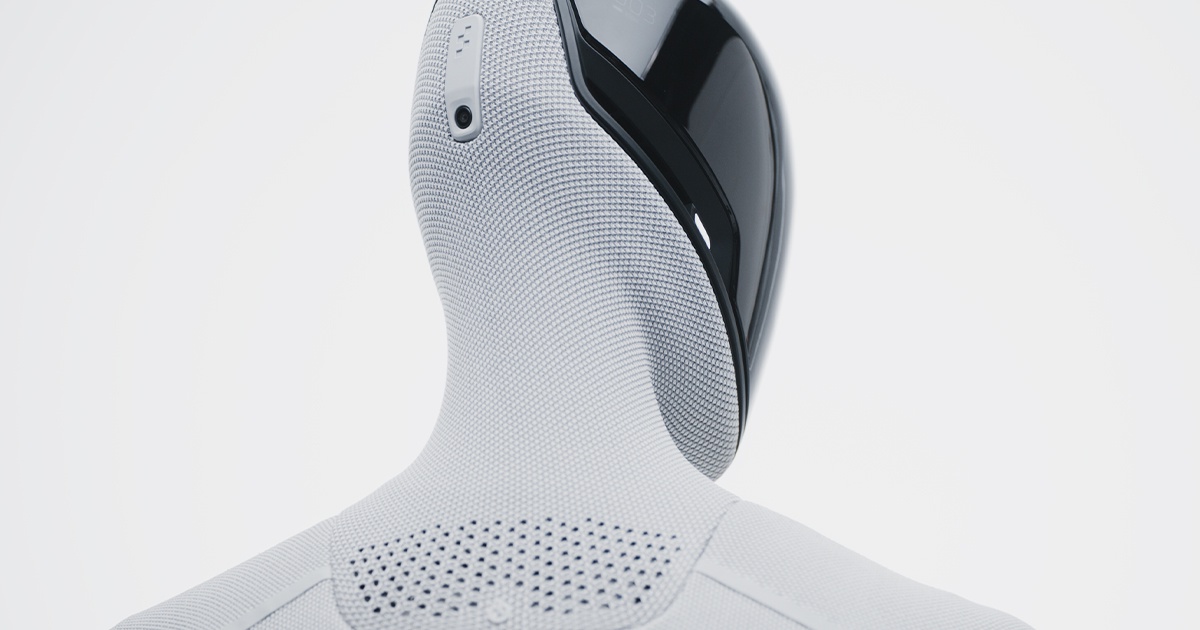
Manufacturer: Figure AI (Sunnyvale, CA) | Founded: 2022 | Funding: $1.9B+ | Valuation: $39B (September 2025) — backed by Microsoft, OpenAI, NVIDIA, Jeff Bezos
Figure AI's third-generation humanoid robot represents the most significant leap in commercial humanoid robotics to date. Released in October 2025, Figure 03 features a completely redesigned body with natural human proportions, the smoothest locomotion of any production humanoid, and an upgraded AI stack built on the company's proprietary Helix platform — enabling real-time speech, multi-step task reasoning, and autonomous error correction.
What sets Figure 03 apart is the combination of embedded palm cameras for precision manipulation, wireless charging capability, and visuomotor neural networks that deliver high frame rates with low latency. In an 11-month pilot at BMW's Spartanburg plant, Figure robots contributed to the production of 30,000+ vehicles — the most significant humanoid-automotive integration to date. Figure AI's new BotQ manufacturing facility is tooled to produce 12,000 units per year, with a stated target of 100,000 Figure 03 robots over the next four years. CEO Brett Adcock has said the company aims for full home autonomy by late 2026, with select home beta testers expected soon.
Key Specs:
- Height: 5'6" (168 cm) | Weight: 155 lbs (70 kg)
- Degrees of Freedom: 48+ (including 24+ per hand)
- Battery: 2.3 kWh, up to 5 hours runtime, wireless charging
- Payload: 44 lbs (20 kg)
- AI: Helix platform — onboard vision-language model for speech, task planning, and autonomous reasoning
- Sensors: Embedded palm cameras, stereo vision, depth sensors, IMU
Price: ~$130,000 (pilot program pricing) | View on Robozaps
Availability: Active pilot deployments with BMW and other automotive/tech manufacturers. BotQ facility ramping production. Commercial orders open for 2026.
Best For: Manufacturing assembly, logistics, quality inspection
Pros: Most complete AI + hardware package; real factory deployments; BotQ mass manufacturing; palm cameras for precision; strongest investor backing in industry
Cons: Not yet available for general purchase; limited track record vs. Digit in logistics; pricing still prohibitive for SMBs
2. Tesla Optimus Gen 3 — Mass Production Begins
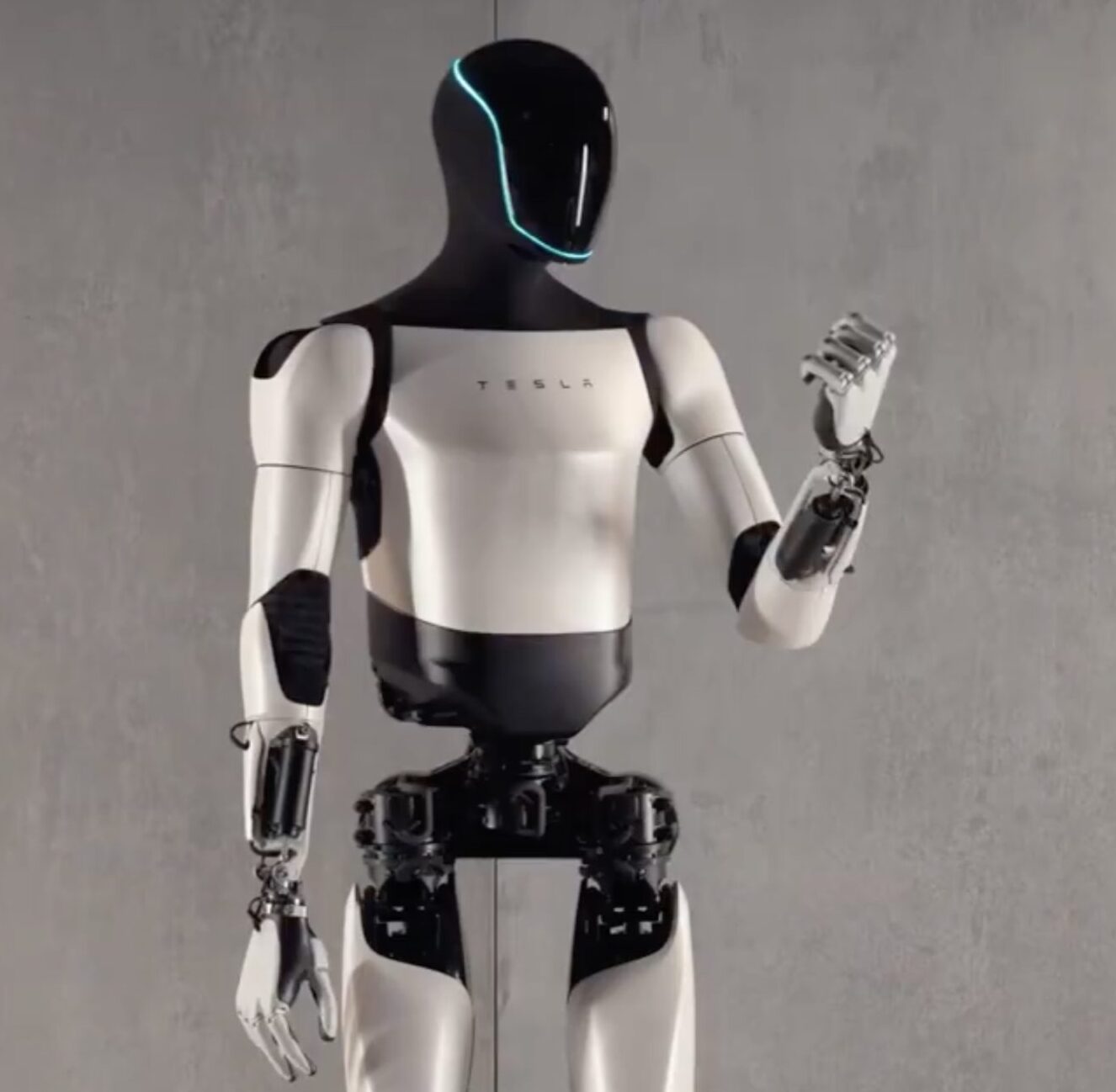
Manufacturer: Tesla (Austin, TX) | Valuation context: Tesla's robotics division valued at up to $1T by some analysts
Tesla's Optimus robot made its biggest leap yet in March 2026. The company officially commenced mass production of Optimus Gen 3 at its Fremont, California factory — the same facility where Model S and Model X were built before Tesla discontinued those vehicles to make room for robot manufacturing. Musk has called this "the definitive start of the Physical AI era."
Gen 3 Optimus features redesigned actuators, improved 22-DoF hands, and Tesla's proprietary FSD-derived neural network trained on millions of hours of real-world factory data. Over 1,000 Optimus units are now in testing across Tesla's Austin and Fremont facilities, iterating on battery cell sorting, parts handling, box moving, and quality checks. Optimus Gen 3 has demonstrated smooth bipedal running, autonomous office navigation, and multi-step task execution.
Elon Musk confirmed in March 2026 that Tesla targets limited external sales by end of 2027, with a long-term consumer price target under $20,000. The Fremont line is designed for 1 million units per year capacity. If Tesla achieves this, Optimus could single-handedly make humanoid robots a mass-market product.
Key Specs:
- Height: 5'8" (168 cm) | Weight: 125 lbs (57 kg)
- Degrees of Freedom: 28+ (including 22 in hands)
- Walking Speed: 5 km/h | Running: up to 8 km/h
- Payload: 44 lbs (20 kg)
- AI: Tesla FSD neural network adapted for manipulation, navigation, and object recognition
- Sensors: 8 cameras (Tesla Autopilot heritage), IMU, force/torque sensors in hands
Price: ~$25,000–$30,000 (estimated initial commercial price); long-term target under $20,000 | View on Robozaps
Availability: Limited internal production ongoing. External sales targeted for 2027+. Internal deployment at Tesla factories. Limited external sales expected end of 2027.
Best For: Factory automation, repetitive assembly, future home assistance
Pros: Mass production underway; unbeatable price-to-capability ratio at scale; Tesla's manufacturing expertise; massive AI training data; 1M unit/year capacity target
Cons: Not yet available for external purchase; Musk timelines historically optimistic; limited third-party validation
3. Agility Robotics Digit — Best for Warehouse Logistics
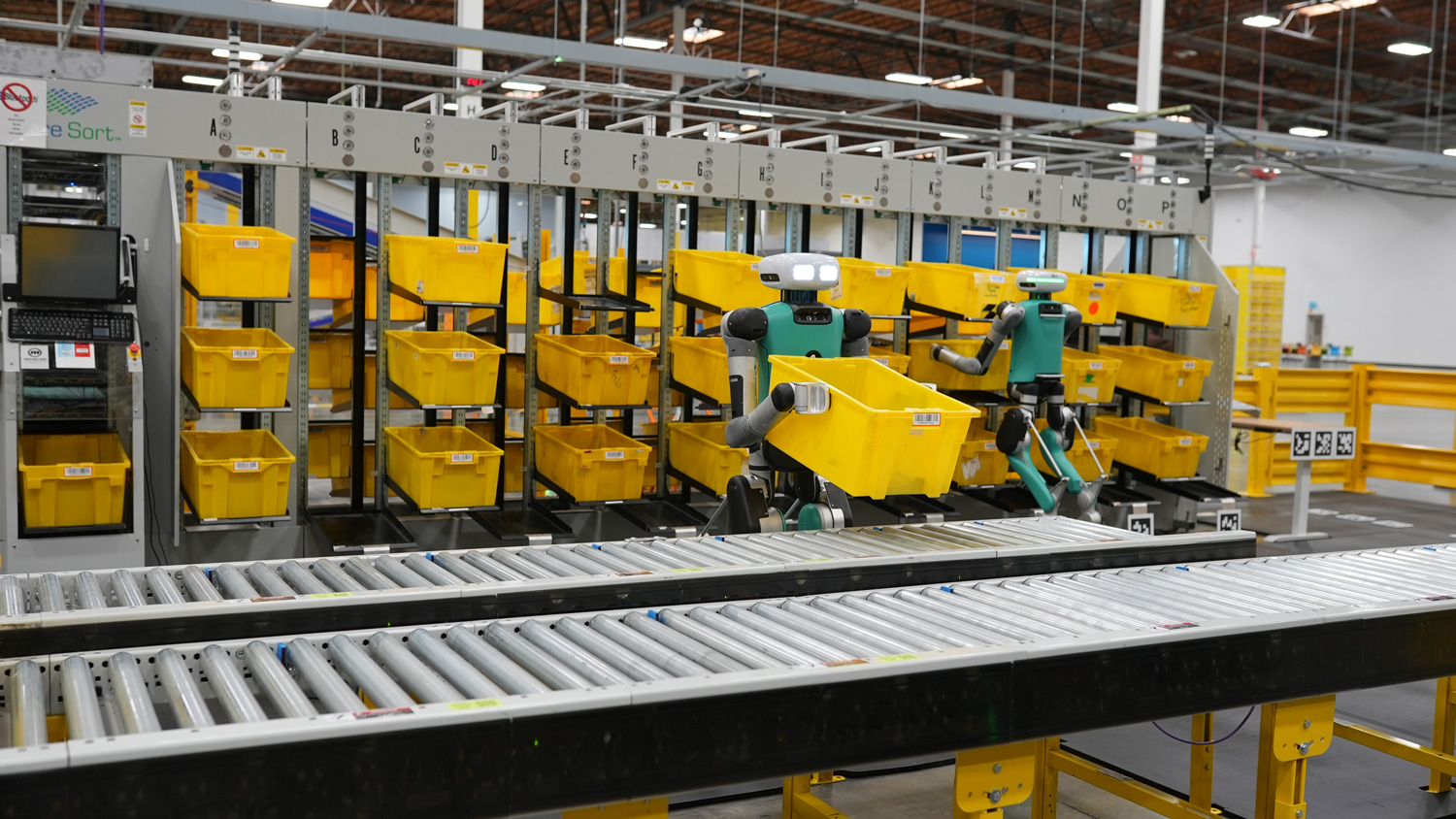
Manufacturer: Agility Robotics (Corvallis, OR) | Funding: $641M+ | Key partner: Amazon
Digit remains the gold standard for warehouse humanoid robots. In November 2025, Digit passed 100,000 totes moved at GXO's Flowery Branch facility in Georgia — the first humanoid to hit this commercial milestone. With an industry-leading 4-hour battery life and a purpose-built design for logistics operations, Digit is deployed in Amazon fulfillment centers, GXO, and now Mercado Libre warehouses. Its adaptive grippers and AI-driven navigation let it handle diverse objects and environments with minimal human supervision.
Agility's "RoboFab" factory in Salem, Oregon — one of the first mass-production facilities dedicated to humanoid robots — has capacity to produce thousands of Digit units annually. This manufacturing maturity gives Digit a deployment advantage that most competitors can't match.
Key Specs:
- Height: 5'9" (175 cm) | Weight: 140 lbs (64 kg)
- Degrees of Freedom: 16+
- Payload: 35 lbs (16 kg)
- Battery Life: 8 hours (industry-leading for bipedal humanoids)
- Navigation: AI-driven with LiDAR, stereo cameras, and proprioceptive sensing
- Locomotion: Bipedal, navigates ramps, stairs, and uneven surfaces
Price: ~$250,000 (pilot and deployment pricing) | View on Robozaps
Availability: Commercially available. Active deployment with Amazon, GXO, and major logistics companies.
Best For: Warehouse picking/packing, truck loading/unloading, logistics
Pros: Best-in-class battery life; proven at scale with Amazon; dedicated manufacturing facility; most real-world deployment hours of any humanoid
Cons: High price point; limited dexterity compared to Figure 03; narrow focus on logistics tasks
4. Boston Dynamics Atlas (Electric) — Now Shipping to Factories
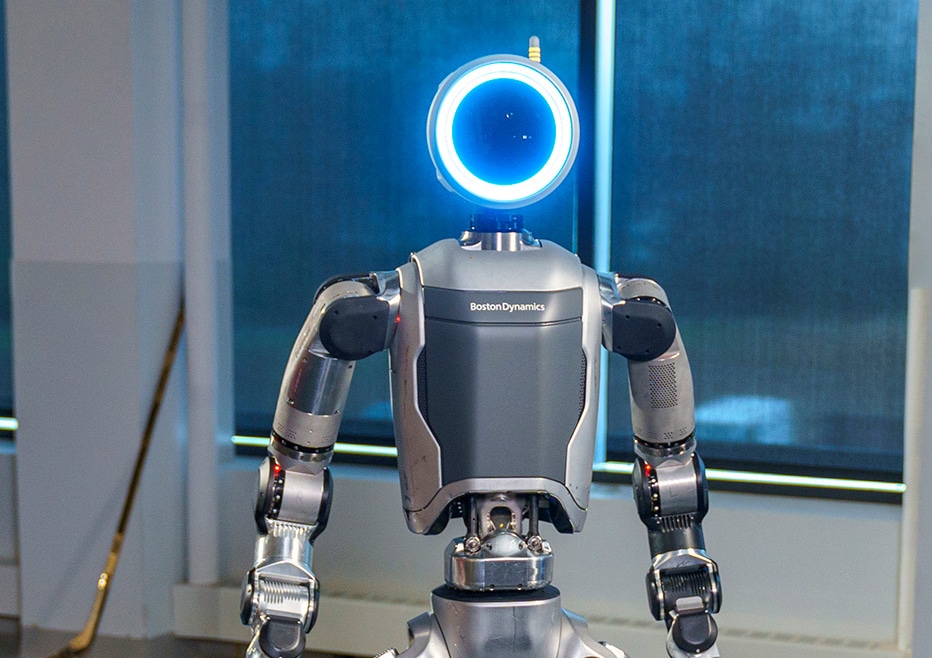
Manufacturer: Boston Dynamics (Waltham, MA, subsidiary of Hyundai) | Heritage: 30+ years of bipedal robotics R&D
Boston Dynamics retired its iconic hydraulic Atlas in April 2024 and unveiled the all-electric Atlas — a fifth-generation humanoid built for real industrial work. The electric Atlas features 360-degree joint rotation at multiple points, a superior strength-to-weight ratio, and the most advanced sensor array of any humanoid: LiDAR, stereo cameras, RGB cameras, and depth sensors working in concert. At CES 2026, Boston Dynamics announced a partnership with Google DeepMind to integrate Gemini Robotics AI — giving Atlas foundational intelligence for perception, reasoning, and human interaction.
At CES 2026 in January, Hyundai showcased "Production Atlas" performing autonomous parts sequencing in a mock factory — identifying heavy car components with its advanced AI reasoning system and precisely placing them onto assembly lines. The robot's torso spun 180 degrees while its legs stayed planted, demonstrating capabilities unconstrained by human biology. Hyundai announced Atlas is now deployed at its Georgia Metaplant, moving from R&D project to capital equipment. This makes Atlas the most expensive — but arguably most capable — humanoid robot in actual commercial production use.
Key Specs:
- Height: 6'3\" (190 cm) | Weight: ~196 lbs (89 kg)
- Degrees of Freedom: 56 with 360° rotation at key joints
- Payload: 110 lbs (50 kg instant, 30 kg sustained)
- Sensors: LiDAR, stereo cameras, RGB cameras, depth sensors
- AI: reinforcement learning with real-time environmental perception
- Mobility: Industry-leading agility — can navigate complex terrain, perform dynamic maneuvers
Price: ~$420,000 (enterprise only)
Availability: Shipping to Hyundai Georgia Metaplant. Enterprise deployments expanding 2026.
Best For: Automotive manufacturing, heavy industrial tasks, R&D, hazardous environments
Pros: Most mechanically capable humanoid ever; 360° joint rotation; now in actual production deployment; decades of R&D heritage
Cons: Extremely expensive (~$420K); enterprise-only; heavy for its height; limited production capacity
5. Unitree G1 — Best Budget Humanoid Robot
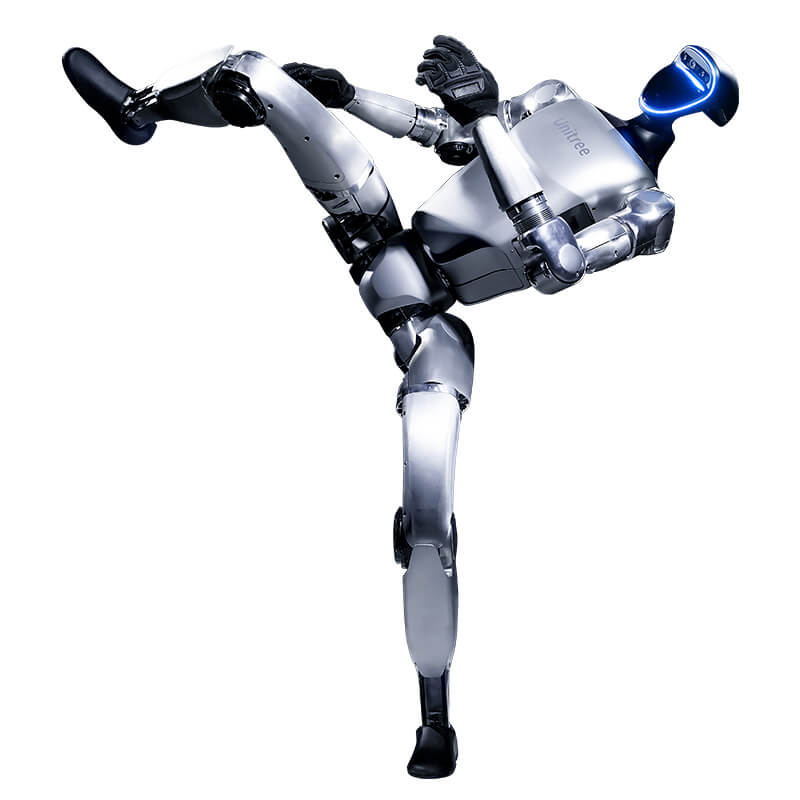
Manufacturer: Unitree Robotics (Hangzhou, China) | Funding: $150M+ Series B
The Unitree G1 shattered expectations by delivering a genuinely capable humanoid robot at a price point that puts it within reach of researchers, educators, startups, and enthusiasts. Starting at just $16,000, the G1 offers up to 43 degrees of freedom (in the EDU configuration), 3D LiDAR, depth cameras, and dexterous hands capable of complex manipulation tasks like opening bottles, soldering, and folding laundry.
The G1 uses reinforcement learning to continuously improve its motor skills, and Unitree's strong developer community provides extensive open-source tools and tutorials. It's the most accessible entry point into humanoid robotics by a wide margin — though Unitree's new R1 (see #16) aims to undercut it at just $5,900. Unitree targets 20,000 humanoid shipments in 2026 — nearly 4x their 5,500 shipped in 2025 — cementing their position as the highest-volume humanoid manufacturer.
Key Specs:
- Height: 4'4" (132 cm) | Weight: 77 lbs (35 kg)
- Degrees of Freedom: 23 (base) to 43 (EDU configuration)
- Sensors: 3D LiDAR, Intel RealSense depth cameras, IMU, force-torque
- Payload: 6.6 lbs (3 kg)
- Battery: ~2 hours runtime
- SDK: Unitree SDK / ROS2 compatible
Price: Starting at $16,000 (base); ~$21,600 (standard); ~$27,000 (EDU with 43 DoF) | View on Robozaps
Availability: ✅ Available now — ships worldwide via unitree.com. One of the most accessible humanoids on the market.
Best For: Research, education, AI training, development platform, hobbyists
Pros: Unbeatable price; ships worldwide today; strong developer community; up to 43 DoF; ROS2 compatible; continuous OTA updates
Cons: Small stature limits real-world industrial use; short battery life (2 hrs); limited payload (3 kg)
6. Sanctuary AI Phoenix (Gen 8) — Best for General-Purpose Labor
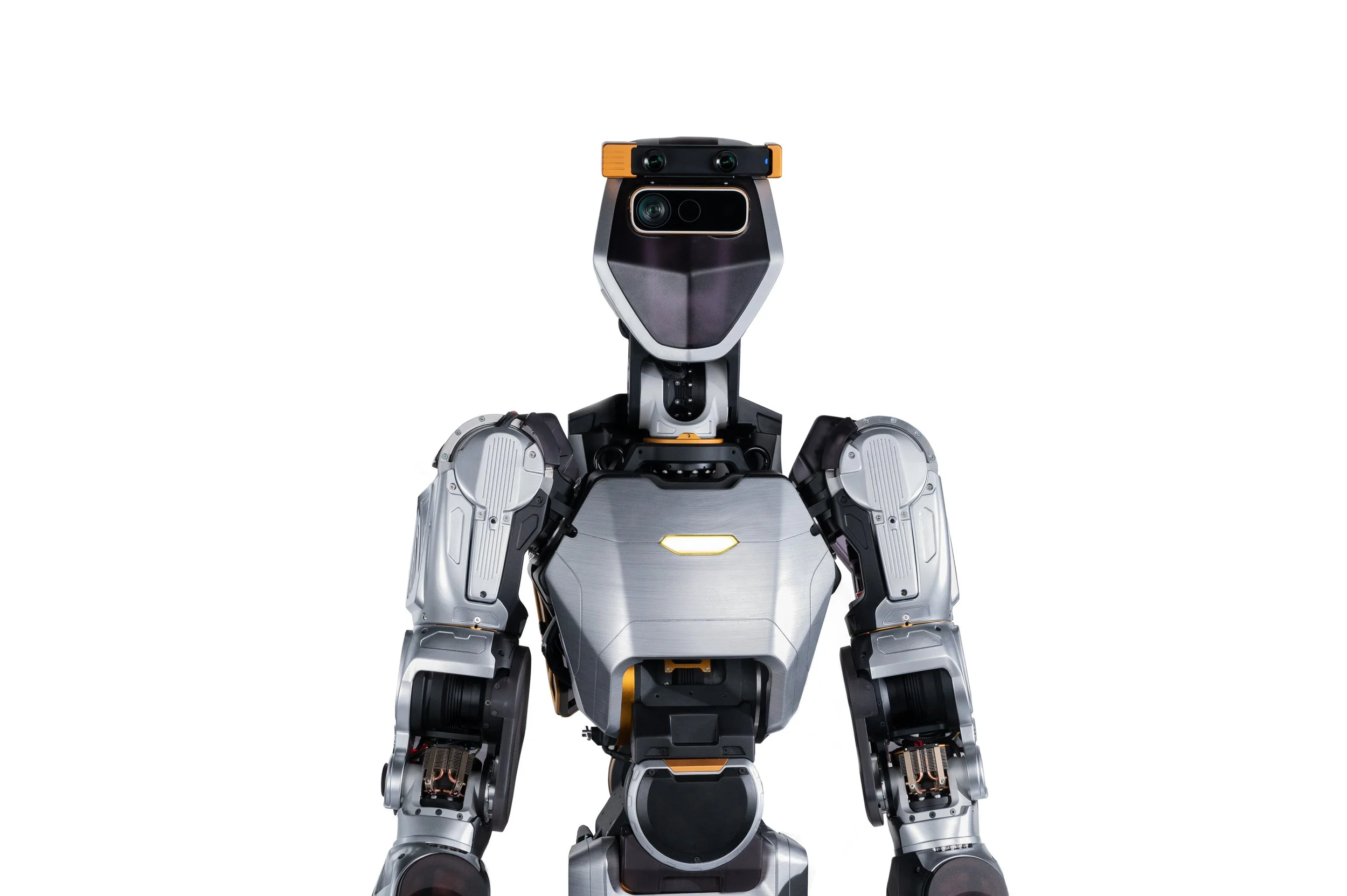
Manufacturer: Sanctuary AI (Vancouver, Canada) | Key partners: Magna International, Microsoft
Sanctuary AI's Phoenix is purpose-built for general-purpose work with an emphasis on dexterous manipulation. Now in its eighth generation, Phoenix features the industry's most advanced tactile sensors in its hands, controlled by Sanctuary's proprietary Carbon™ AI system — the company's bid to create "the world's first human-like intelligence in a general-purpose robot."
Carbon™ enables Phoenix to learn new tasks faster than any competing system — Sanctuary claims 88% reduction in task training time from Gen 7 to Gen 8. Phoenix is being piloted in retail, automotive manufacturing (with Magna), and logistics environments.
Key Specs:
- Height: 5'7" (170 cm) | Weight: ~155 lbs (70 kg)
- Degrees of Freedom: 30+
- Hands: Industry-leading tactile sensors for fine manipulation
- AI: Carbon™ AI control system — general-purpose task learning
- Payload: 55 lbs (25 kg)
- Battery: ~4–6 hours
Price: ~$40,000 (estimated) | View on Robozaps
Availability: Pilot deployments expanding in 2026. Partnerships with Magna and Microsoft.
Best For: Retail, logistics, manufacturing, general-purpose labor
Pros: Fastest task-learning AI; excellent dexterity; strong price point; partnerships with major companies
Cons: Not yet broadly commercially available; less proven at scale than Digit or Figure 03
7. Apptronik Apollo — Best for Heavy Lifting
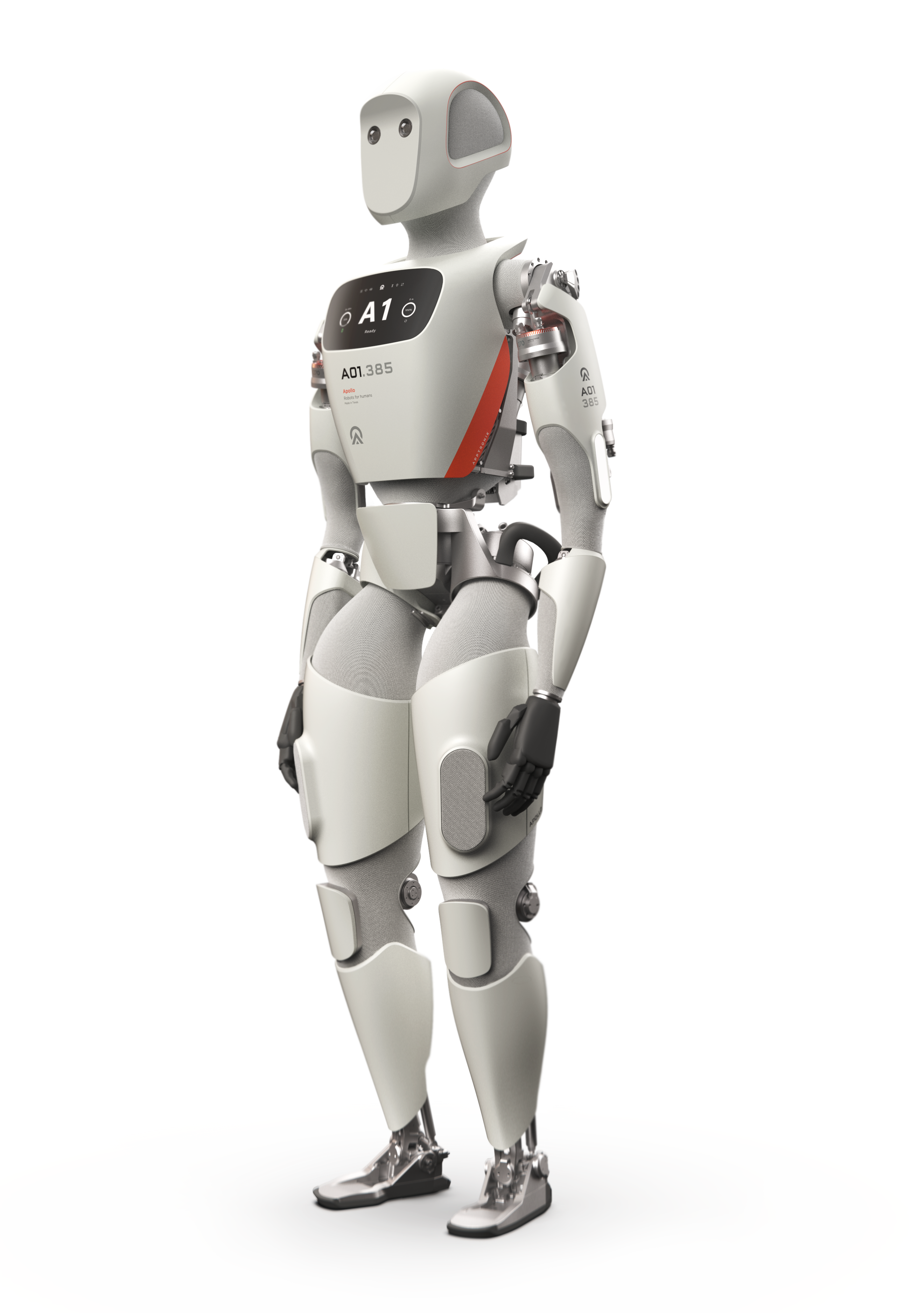
Manufacturer: Apptronik (Austin, TX) | Funding: $935M total (Mar 2026) | Valuation: $5.5B — backed by Google, Mercedes-Benz, B Capital, ARK Invest
Apollo is the workhorse of the humanoid world. With the highest payload capacity in its class (55 lbs / 25 kg), a modular design, hot-swappable batteries, and built-in safety features including LED displays and force control, Apollo is designed for the most physically demanding industrial environments. Apptronik's NASA collaboration heritage and Google operations testing add serious credibility.
Apollo is active in pilot programs with Mercedes-Benz for automotive manufacturing and with logistics companies for warehouse operations. The company targets a sub-$50,000 price point for mass deployment — which would make it one of the most affordable full-size industrial humanoids.
Key Specs:
- Height: 5'8" (168 cm) | Weight: 160 lbs (73 kg)
- Degrees of Freedom: 30+
- Payload: 55 lbs (25 kg) — highest in class
- Battery: 4 hours per swap (hot-swappable)
- Safety: LED status displays, force-limited joints for human collaboration
- Design: Modular, field-upgradeable
Price: Sub-$50,000 target for mass deployment | View on Robozaps
Availability: Pilot programs with Mercedes-Benz, Google, and logistics firms.
Best For: Heavy lifting, warehouse operations, manufacturing, construction assistance
Pros: Highest payload capacity; hot-swappable batteries; strong safety features; NASA heritage; Mercedes-Benz + Google partnerships
Cons: Final pricing unconfirmed; enterprise-only; limited AI sophistication compared to Figure 03 or Phoenix
8. 1X NEO — Best Humanoid Robot for the Home

Manufacturer: 1X Technologies (Sunnyvale, CA / Oslo, Norway) | Backed by: OpenAI, Samsung, EQT Ventures
NEO is the world's first humanoid robot truly purpose-built for the home — and it's no longer just a concept. 1X Technologies has begun delivering NEO to early adopters in the US in 2026, making it the first consumer humanoid robot to actually ship. Its lightweight design (just 66 lbs / 30 kg), home-safe soft actuators, and emphasis on natural human interaction make it fundamentally different from industrial humanoids.
At $20,000 (or $499/month subscription), NEO uses teleoperation to train its AI initially, with fully autonomous operation planned for later iterations. Available in 3 colors (Tan, Gray, Dark Brown), NEO can run at up to 12 km/h and receives monthly AI software updates. Privacy-first design includes face-blurring cameras and user-defined no-go zones.
Key Specs:
- Height: 5'6" (168 cm) | Weight: 66 lbs (30 kg)
- Degrees of Freedom: 20+
- Design: Lightweight, soft actuators, home-safe
- AI: OpenAI-backed neural network, continuously improving via teleoperation + monthly updates
- Battery: ~4 hours | Speed: up to 12 km/h
- Privacy: Face-blurring cameras, no-go zones, scheduled operator windows
Price: $20,000 (or $499/month subscription) | View on Robozaps
Availability: Shipping to early adopters in the US. Preorders open.
Best For: Home assistance, elder care, smart home integration, companionship
Pros: First consumer humanoid actually shipping; affordable; OpenAI AI backing; subscription option; privacy-first design
Cons: Initially teleoperated (1X operators can see through cameras); US-only; first-gen product — expect early adopter issues
9. Unitree H1-2 — Best Value Full-Size Humanoid

Manufacturer: Unitree Robotics (Hangzhou, China)
The H1-2 is Unitree's upgraded full-size humanoid — a significant improvement over the original H1 with added arm dexterity (7 DoF per arm vs. 4), ankle articulation (2 DoF vs. 1), and a more robust 70 kg frame. It was the first full-size humanoid in China capable of running at up to 13 km/h, and at ~$90,000, it bridges the gap between affordable research platforms and expensive industrial humanoids.
Unitree's M107 joint motors deliver peak torque density of 189 N.m/kg — claimed to be the highest in the world. The H1-2 supports 3D LiDAR, depth cameras, ROS2 compatibility, and continuous OTA software updates.
Key Specs:
- Height: 5'10" (178 cm) | Weight: 154 lbs (70 kg)
- Degrees of Freedom: 27 (6 per leg, 7 per arm, 1 waist)
- Walking Speed: 3.3 m/s (world record at launch), potential >5 m/s
- Joint Torque: Up to 360 N.m (knee)
- Battery: 864 Wh, quickly replaceable, 2–4 hours runtime
- Sensors: 3D LiDAR + depth camera, 360° perception
Price: ~$90,000 | View on Robozaps
Availability: Available for purchase. Ships globally.
Best For: Research, light assembly, locomotion studies, public demonstrations
Pros: Best value full-size humanoid; world-record walking speed; 7-DoF arms; replaceable battery; strong developer ecosystem
Cons: Limited manipulation capability vs. dedicated industrial robots; Chinese-only documentation for some features
10. Fourier Intelligence GR-2 — Best for Healthcare
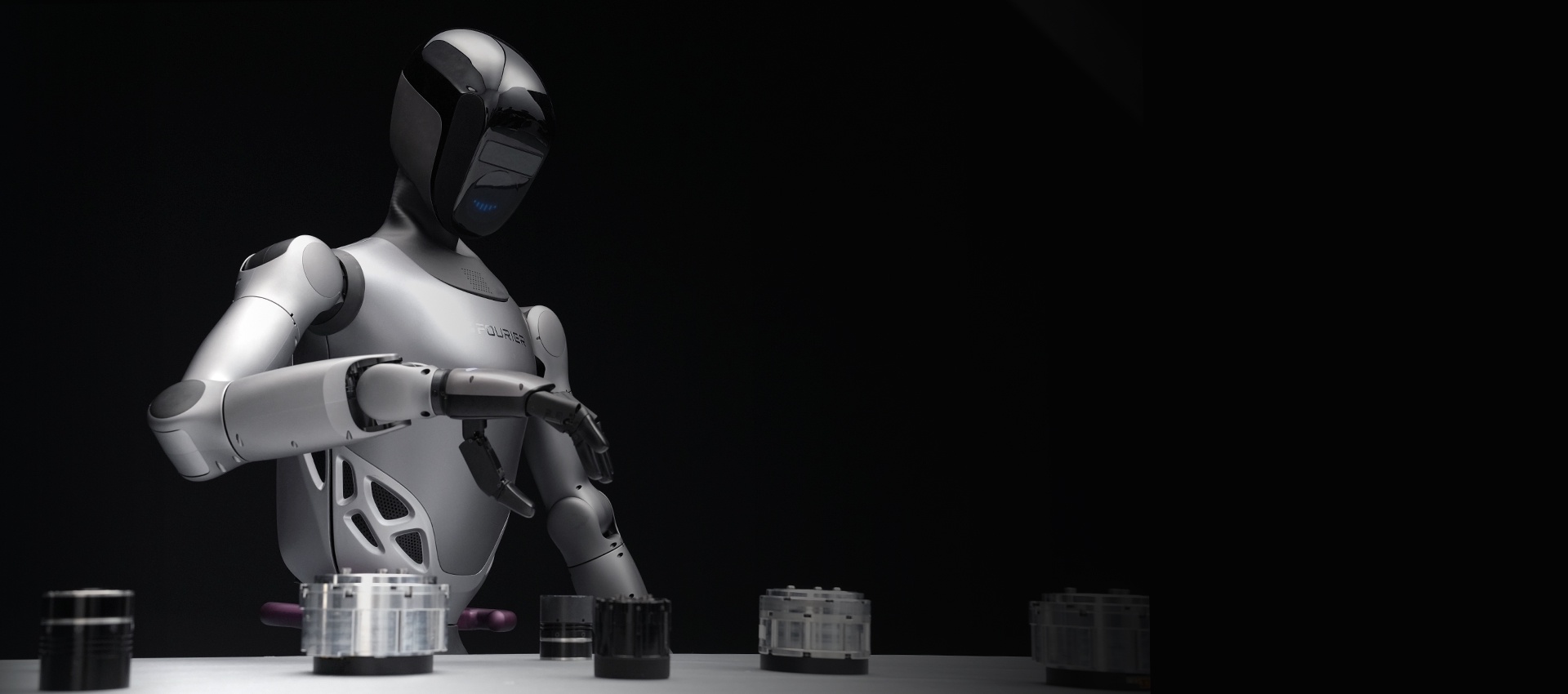
Manufacturer: Fourier Intelligence (Shanghai, China) | Heritage: Leading rehabilitation robotics company
Building on the GR-1's foundation, the GR-2 represents Fourier's evolved humanoid platform with 53 degrees of freedom, improved dexterity, and a taller 175 cm frame. Fourier's unique advantage is its rehabilitation robotics heritage — the company already deploys exoskeletons and therapy robots in 40+ countries, giving GR-2 an unmatched pathway into healthcare environments. Mass production is targeting 2026.
Key Specs:
- Height: 5'9" (175 cm) | Weight: ~139 lbs (63 kg)
- Degrees of Freedom: 53
- Payload: 110 lbs (50 kg) — highest payload-to-weight ratio
- Walking Speed: 5 km/h
- Battery: ~3–5 hours
Price: ~$150,000 (projected) | View on Robozaps
Availability: Pilot deployments in healthcare and industrial settings. Mass production planned 2026.
Best For: Physical therapy, rehabilitation, elder care, heavy industrial tasks
Pros: Best payload-to-weight ratio; built by rehab robotics experts; 53 DoF; global distribution in healthcare
Cons: Not yet mass-produced; less AI sophistication than Figure 03 or Phoenix
11. UBTECH Walker S1 — Proven Factory Robot
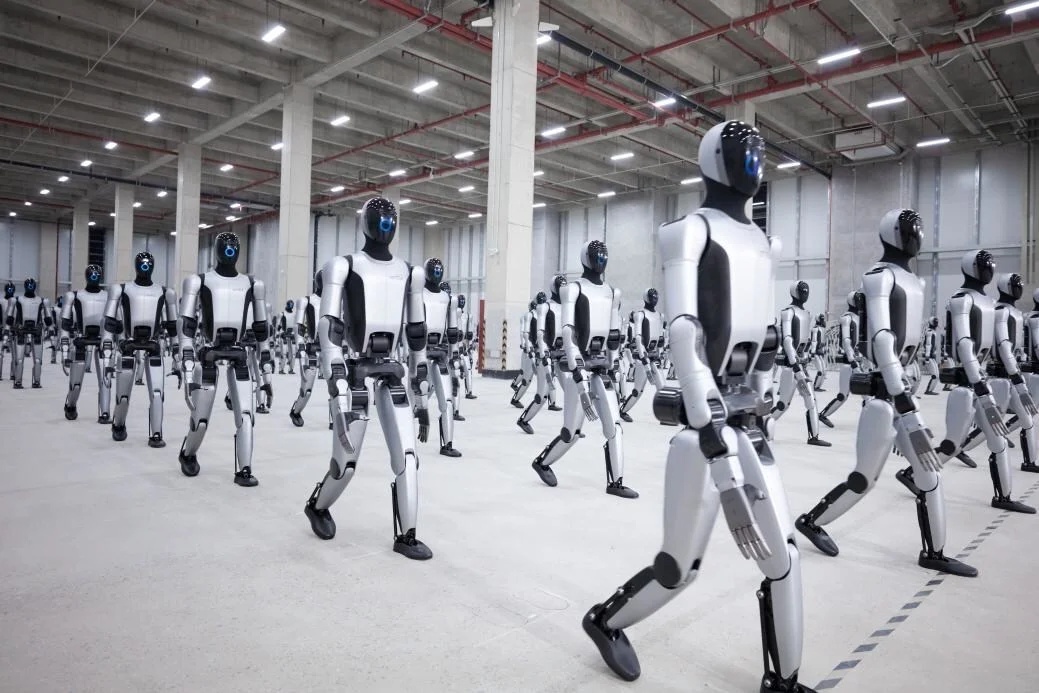
Manufacturer: UBTECH Robotics (Shenzhen, China) | Public company: Listed on HKEX (9880)
Walker S1 is a manufacturing powerhouse with 41 servo joints and large language model integration. Already deployed at Audi's China plant for quality inspection and at NIO's electric vehicle factory, Walker S1 was the first humanoid to demonstrate multi-robot collaboration in a real factory setting. UBTECH's partnership with Foxconn to explore iPhone assembly marks another major milestone.
Key Specs:
- Height: 5'7" (170 cm) | Weight: 170 lbs (77 kg)
- Servo Joints: 41
- Payload: 33 lbs (15 kg)
- Battery: ~6 hours
- AI: Large language model integration, multi-robot collaboration
- Deployments: Audi China, NIO, Foxconn (pilot)
Price: Enterprise pricing (contact manufacturer) | View on Robozaps
Availability: Commercially available. Deployed at Audi China and NIO.
Best For: Quality inspection, assembly line support, manufacturing
Pros: Proven factory deployments; publicly traded (stability); LLM integration; first multi-humanoid collaboration
Cons: Enterprise pricing opaque; primarily China-focused; slow walking speed (3 km/h)
12. RobotEra STAR1 — Fastest Walking Humanoid
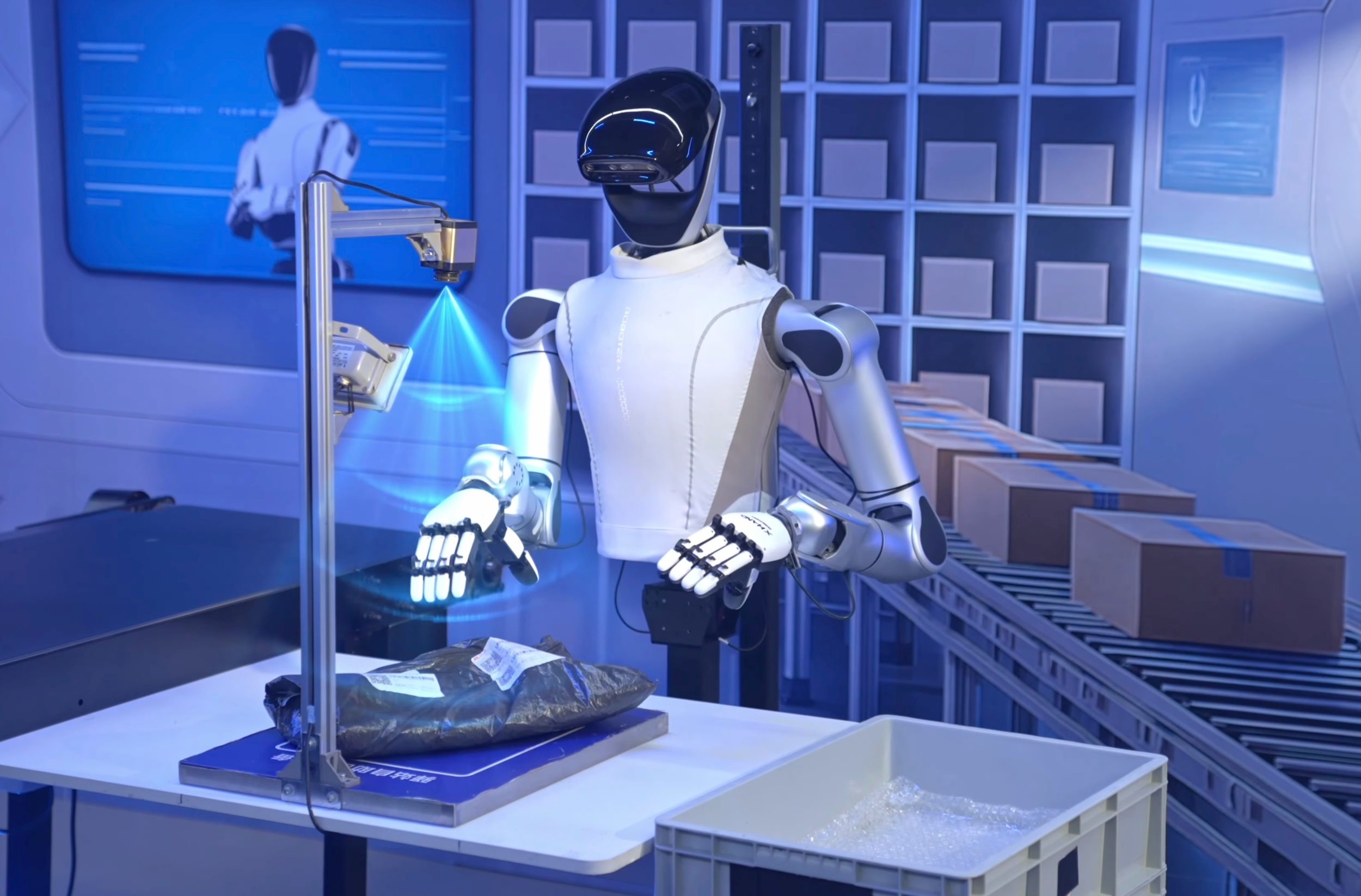
Manufacturer: RobotEra (Beijing, China)
The RobotEra STAR1 burst onto the scene as one of the fastest and most agile Chinese humanoids. Standing 171 cm tall, it reaches speeds of 4 m/s (14.4 km/h) — making it the fastest walking humanoid robot in production — and features 12-DoF dexterous hands. Its competitive pricing at ~$96,000 positions it as a strong mid-range option.
Key Specs:
- Height: 5'7" (171 cm) | Weight: 143 lbs (65 kg)
- Degrees of Freedom: 42 (including 12-DoF hands)
- Walking Speed: 4 m/s (14.4 km/h — fastest in class)
- Payload: ~15 kg
- Battery: ~3–4 hours
Price: ~$96,000
Availability: Orders open for 2026 delivery.
Best For: Logistics, service deployments, dynamic environments requiring speed
Pros: Fastest humanoid walking speed; competitive pricing; dexterous 12-DoF hands
Cons: Newcomer with limited deployment track record; smaller ecosystem than Unitree
13. Astribot S1 — Most Dexterous Upper Body
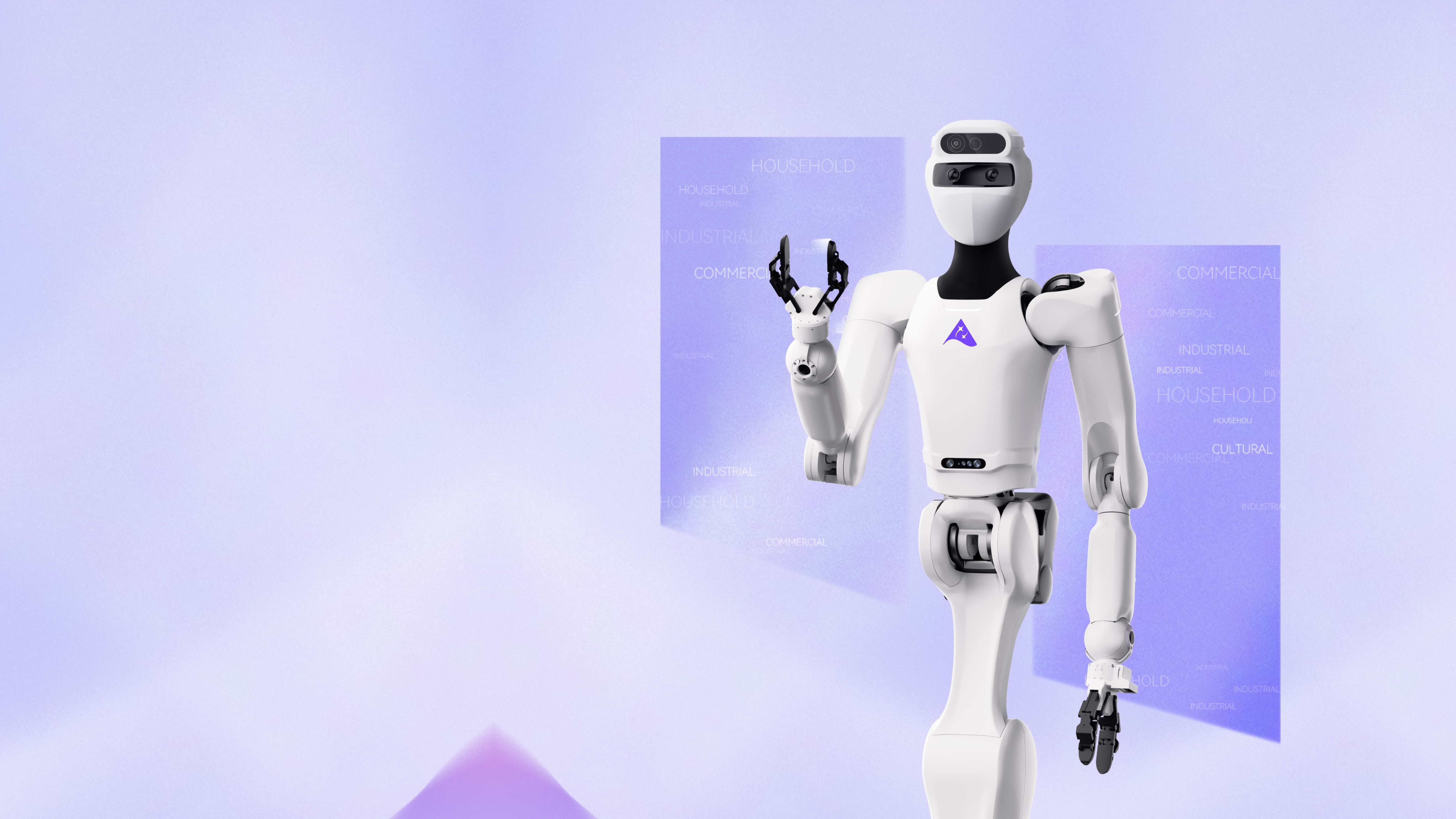
Manufacturer: Stardust Intelligence / Astribot (Shenzhen, China)
Astribot S1 stunned the robotics world with demo videos showing it performing tasks with speed and precision exceeding human capabilities — pouring liquids, ironing clothes, flipping objects, and writing calligraphy with fluid motion. S1's 52 degrees of freedom and AI-driven upper-body dexterity are genuinely impressive, with arm end-effector speeds up to 10 m/s.
Key Specs:
- Height: ~5'7" (170 cm) | Weight: ~132 lbs (60 kg)
- Degrees of Freedom: 52
- Speed: Arm end-effector speed up to 10 m/s
- Payload: ~22 lbs (10 kg) per arm
- Battery: ~3 hours
Price: ~$80,000 (estimated) | View on Robozaps
Availability: Pilot deployments in China. Broader availability expected 2026.
Best For: Dexterous manipulation, service tasks, food preparation, light manufacturing
Pros: Exceptional upper-body dexterity; fast arm speed; competitive pricing
Cons: Demo-to-reality gap unclear; limited deployments; newer company
14. AgiBot A2 — AI-Native Service Robot
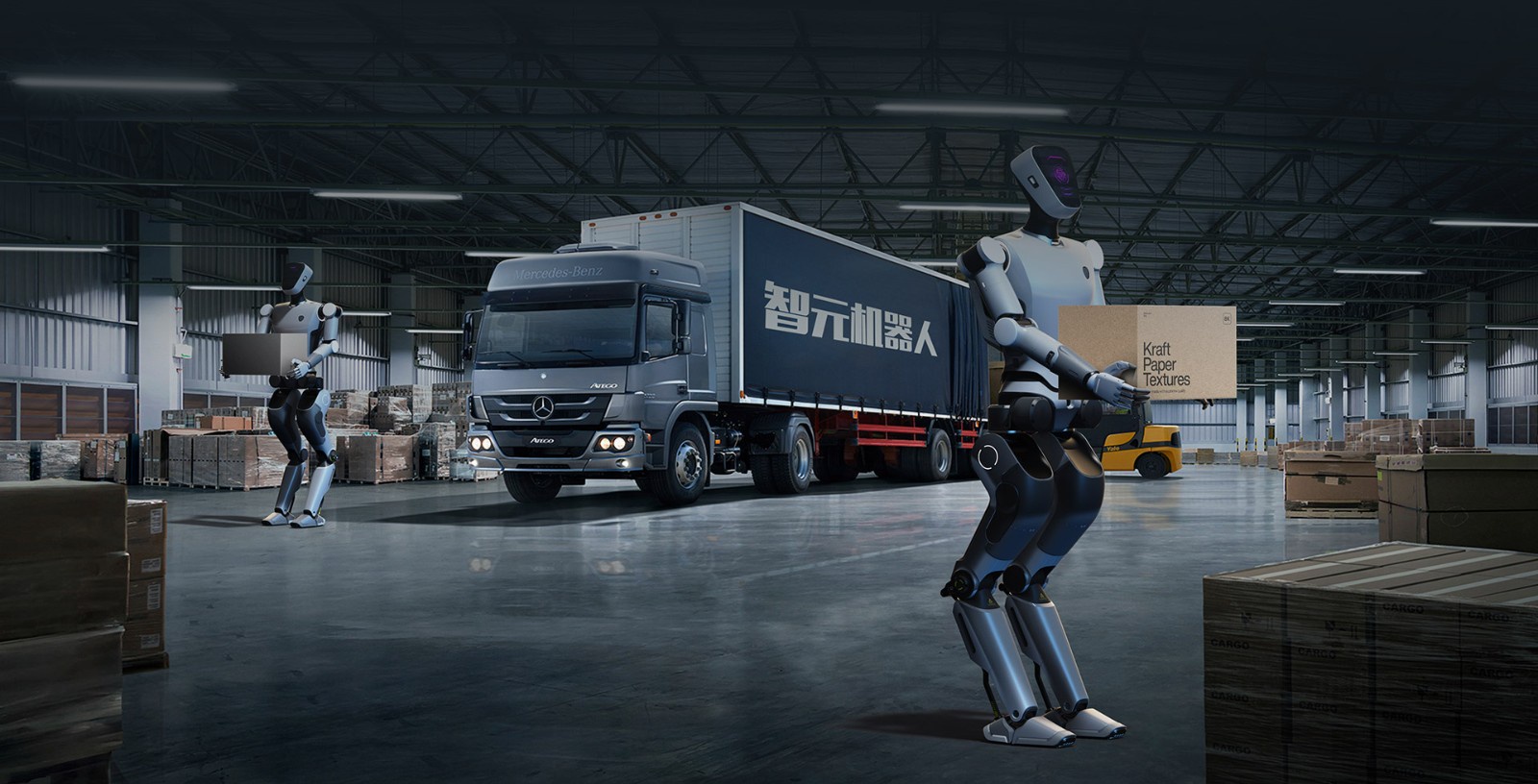
Manufacturer: AgiBot (Shanghai, China, incubated by Shanghai AI Lab)
AgiBot A2 excels in service environments where human-like interaction matters. With AI-powered sensors and an ergonomic design, it can perform precision tasks like threading a needle while engaging customers in natural conversation. AgiBot shipped 5,100+ humanoid robots in 2025, ranking #1 globally by volume with 39% market share according to Omdia — more than any competitor. Certified for China, US, and European markets.
Key Specs:
- Height: 5'9" (175 cm) | Weight: 121 lbs (55 kg)
- Degrees of Freedom: 36
- Payload: 22 lbs (10 kg)
- Battery: ~5 hours
- AI: Advanced NLP, sensor fusion, multi-modal interaction
- Certification: China, US, and Europe
Price: Contact manufacturer | View on Robozaps
Availability: Available. Mass production active with 5,100+ units shipped globally in 2025.
Best For: Customer service, exhibitions, marketing events, guided tours
Pros: Mass production underway; triple-certified; strong conversational AI; precision manipulation
Cons: China-focused availability; enterprise pricing not transparent
15. Kepler Forerunner — Affordable Industrial Challenger
️ Note: Manufacturer website unavailable at time of verification. Specs are based on industry reports and may not reflect current product status.
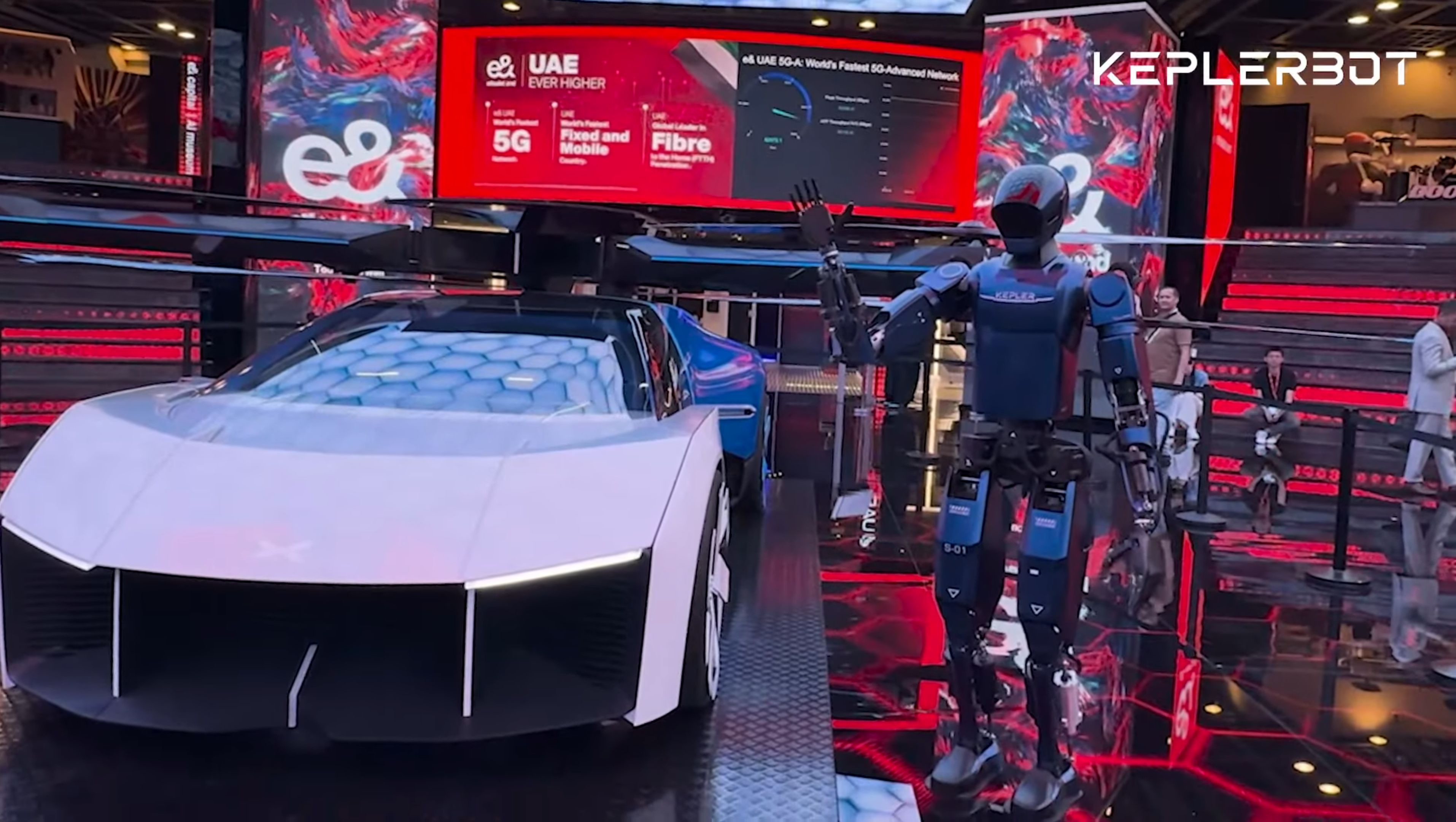
Manufacturer: Kepler Robotics (Shanghai, China)
Kepler's Forerunner humanoid targets the sweet spot between affordability and industrial capability. With 40 degrees of freedom, a full-size 178 cm frame, and an estimated price point around $30,000, Kepler is positioning itself as the affordable industrial humanoid for factories that can't justify $100K+ robots.
Key Specs:
- Height: 5'10" (178 cm) | Weight: 187 lbs (85 kg)
- Degrees of Freedom: 40
- Payload: ~33 lbs (15 kg)
- Battery: 4–8 hours
Price: ~$30,000 (estimated) | View on Robozaps
Availability: Pilot programs active with select partners. Broader availability expected mid-2026.
Best For: Light manufacturing, assembly, inspections, service tasks
Pros: Extremely competitive price for full-size humanoid; 40 DoF; good battery life
Cons: Early-stage company; limited deployment data; heavier than competitors
16. Unitree R1 — Cheapest Humanoid Robot Ever 🆕
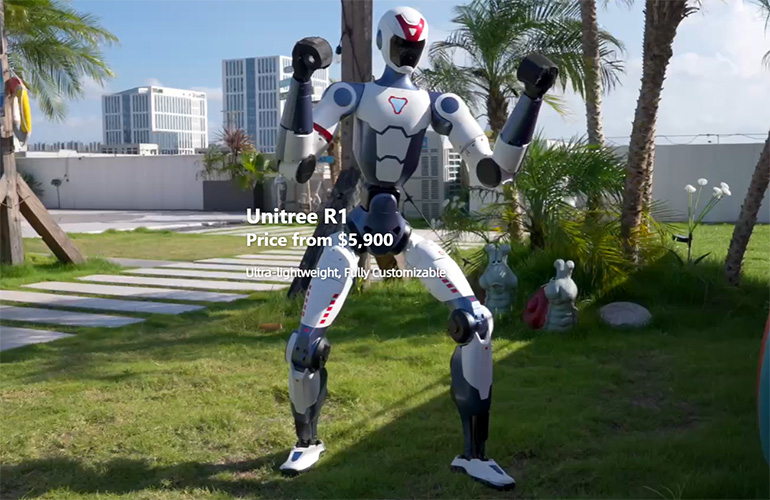
Manufacturer: Unitree Robotics (Hangzhou, China)
The Unitree R1 is a game-changer: at just $5,900, it's the cheapest humanoid robot ever offered. Unveiled in late 2025 and now available for pre-order, the R1 is an ultra-lightweight 25 kg bipedal robot targeting the consumer and education markets. From the same company that proved affordable humanoids are possible with the G1, the R1 pushes accessibility to a new level.
While specifications are still limited compared to the G1 or H1-2, the R1 represents a psychological price breakthrough — a full humanoid robot for less than a used car. It's an entry point for schools, hobbyists, and early adopters who want to experience bipedal robotics without a $16,000+ investment.
Key Specs:
- Height: 3'7" (123 cm) | Weight: 55 lbs (25 kg)
- Actuators: Electric
- Sensors: Cameras, IMU
- SDK: Unitree SDK
- Target: Consumer, education, entertainment
Price: $4,900–$5,900
Availability: Pre-order open. Shipping expected 2026.
Best For: Education, hobbyists, entry-level robotics, entertainment
Pros: Cheapest humanoid robot ever; ultra-lightweight; from established manufacturer (Unitree); bipedal walking
Cons: Limited specs publicly available; likely limited autonomous capabilities; pre-order only; very compact form factor
17. Unitree H2 — Full-Size Humanoid at Budget Price 🆕
Manufacturer: Unitree Robotics (Hangzhou, China)
Unveiled at CES 2026 and immediately available for pre-order, the Unitree H2 bridges the gap between the compact G1 and the research-grade H1. At $29,900, it's the cheapest full-size (180 cm) humanoid robot ever offered. Featuring 31 degrees of freedom, a lifelike face with expression capability, depth perception, and quick-swap batteries, the H2 targets both commercial service and educational markets. Available in Commercial ($29,900) and EDU variants.
Key Specs:
- Height: 5'11" (180 cm) | Weight: 154 lbs (70 kg)
- Degrees of Freedom: 31
- Quick-swap batteries for extended operation
- Depth cameras, LiDAR, IMU sensor suite
- AI: Unitree proprietary AI models
Price: $29,900 (Commercial) | View on Robozaps
Availability: Pre-order open. Shipping expected April 2026.
Best For: Commercial service, education, enterprise pilots, robotics development
Pros: Cheapest full-size humanoid ever; 31 DoF; lifelike expressions; from proven manufacturer; quick-swap batteries
Cons: Not yet shipping; limited real-world deployment data; new platform
18. NEURA Robotics 4NE1 — Porsche-Designed Humanoid 🆕
Manufacturer: NEURA Robotics (Metzingen, Germany)
The 4NE1 Gen 3.5 is the first humanoid robot designed in collaboration with Studio F.A. Porsche. Unveiled at CES 2026 with pre-orders now open, the flagship model costs €98,000 while the smaller 4NE1 Mini starts at just €19,999 — making it one of the most affordable full humanoids from a Western manufacturer. Features include patented artificial skin for proximity detection, 100 kg lifting capacity, the Neuraverse OS for fleet-wide skill sharing, and NVIDIA Isaac GR00T-powered multimodal reasoning.
Key Specs:
- Lifting Capacity: 100 kg (220 lbs) — among the highest available
- AI: NVIDIA Isaac GR00T, Neuraverse OS fleet learning
- Safety: Patented artificial skin with proximity detection
- Design: Studio F.A. Porsche collaboration
- Variants: 4NE1 Gen 3.5 (€98K) and 4NE1 Mini (€19,999)
Price: €19,999 (Mini) / €98,000 (Gen 3.5) — pre-orders open with €100 refundable deposit
Availability: Pre-order open. Deliveries expected 2026.
Best For: Industrial automation, domestic assistance, fleet deployments
Pros: Exceptional lifting capacity (100kg); Porsche design pedigree; fleet skill-sharing; artificial safety skin; affordable Mini variant
Cons: Not yet shipping; German pricing (€); relatively new to humanoid market
19. LG CLOiD — Zero Labor Home Vision 🆕
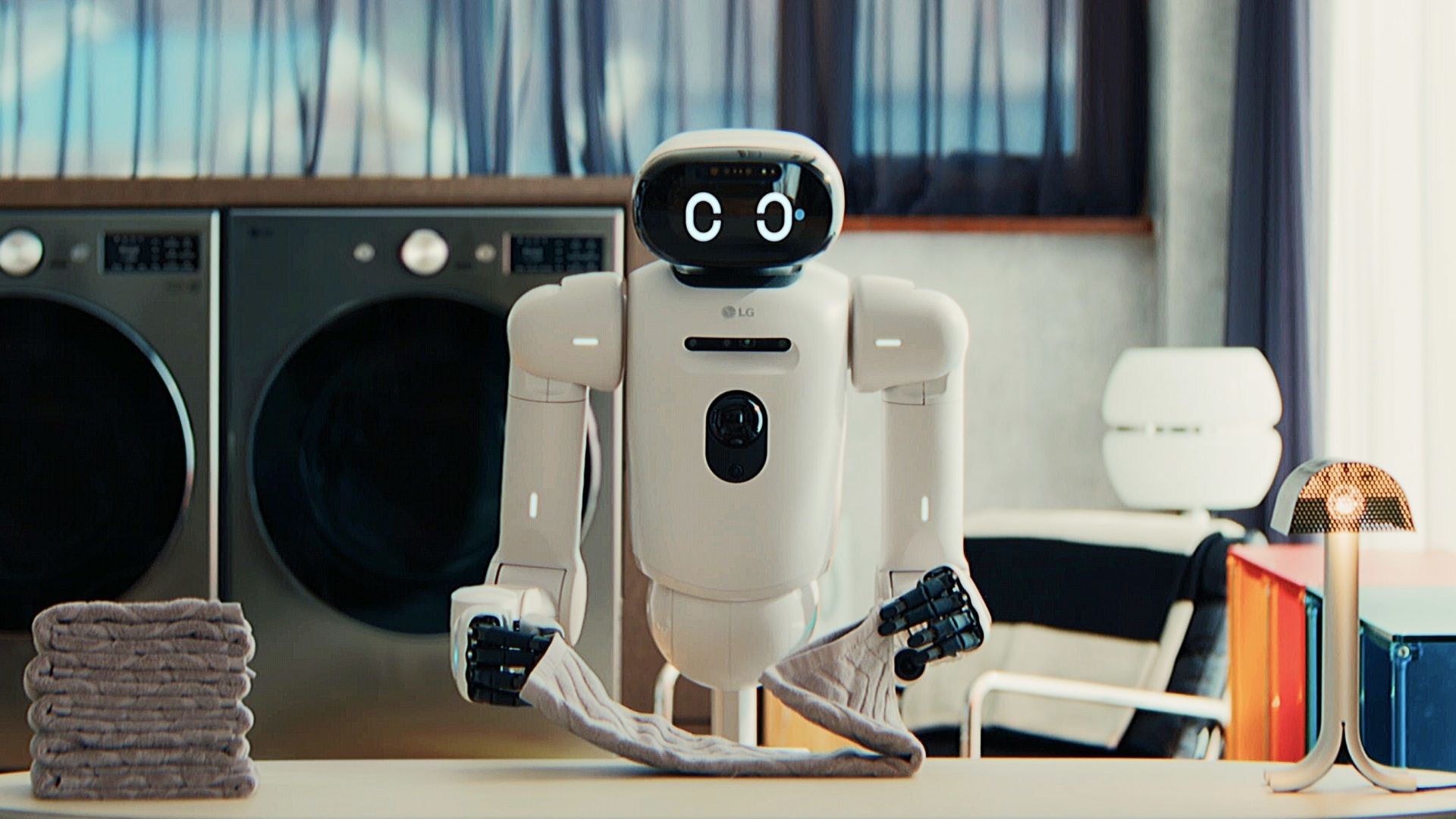
Manufacturer: LG Electronics (Seoul, South Korea)
Debuted at CES 2026 as the centerpiece of LG's "Zero Labor Home" vision, CLOiD is a home humanoid robot that was demonstrated performing real household tasks — folding laundry, loading dishwashers, and preparing food. Unlike bipedal designs, CLOiD uses a wheeled base with a height-adjustable torso, dual 7-DoF arms, and five-fingered hands for fine manipulation. Powered by LG's "Affectionate Intelligence" and a Vision-Language-Action model, it integrates deeply with LG's ThinQ smart home ecosystem.
Key Specs:
- Arms: Dual 7-DoF with five-fingered hands
- Mobility: Wheeled base with height-adjustable torso
- AI: Affectionate Intelligence, VLA model
- Integration: LG ThinQ ecosystem, Alexa, Google Home compatible
- Capabilities: Laundry, dishwashing, food prep, mobile smart home hub
Price: Not yet announced
Availability: Prototype demonstrated at CES 2026. Production timeline TBD.
Best For: Home assistance, smart home integration, elderly care
Pros: Backed by LG's massive manufacturing; real household task demos; ThinQ ecosystem integration; height-adjustable design
Cons: Not commercially available; wheeled (no bipedal); no pricing; prototype stage
20. Xiaomi CyberOne — Tech Giant's Humanoid Bet
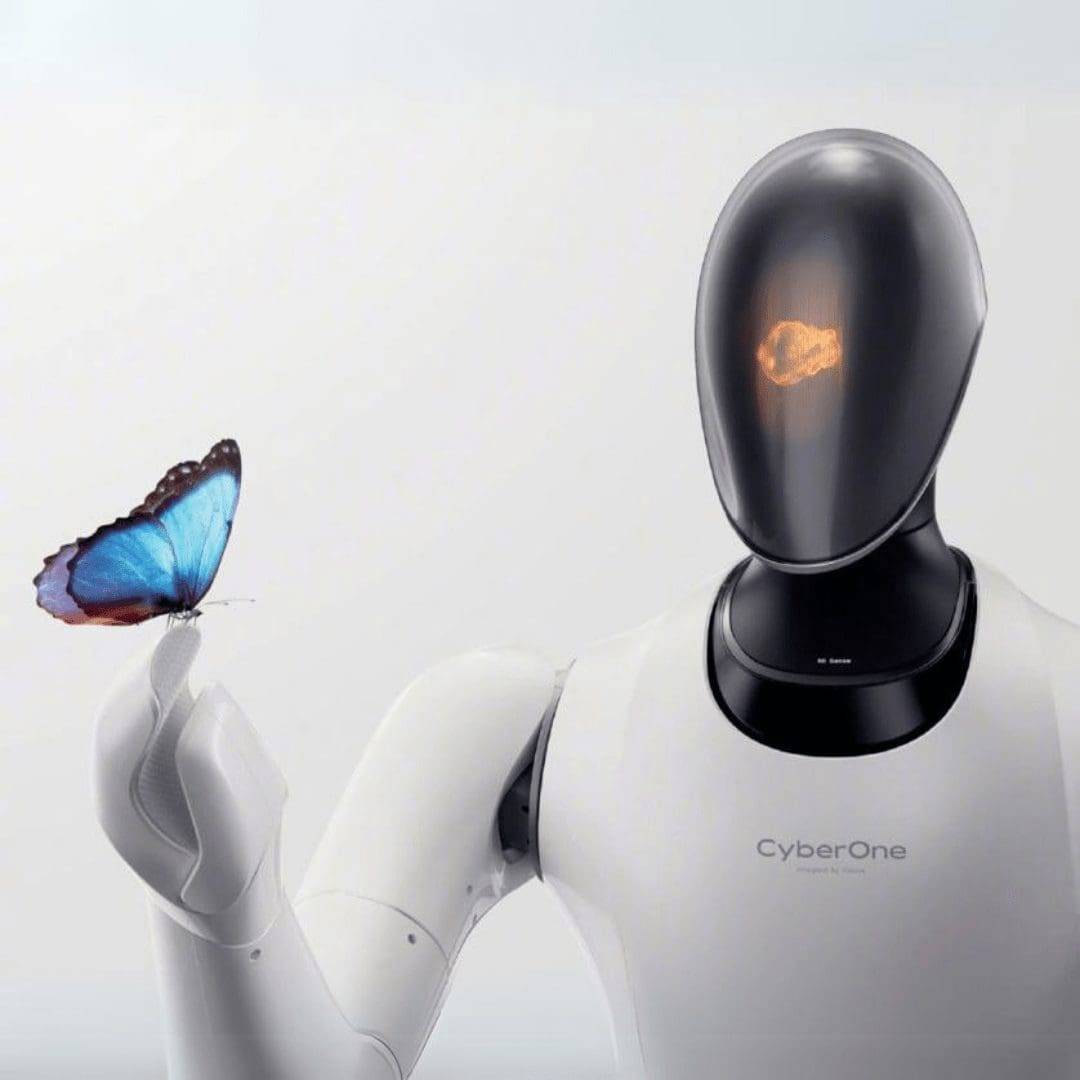
Manufacturer: Xiaomi (Beijing, China)
CyberOne is Xiaomi's first humanoid robot, featuring emotion detection via computer vision, 21 degrees of freedom, and the full weight of Xiaomi's hardware engineering ecosystem. Still primarily a research platform, but Xiaomi's massive manufacturing infrastructure means CyberOne could scale rapidly if the technology matures.
Key Specs:
- Height: 5'10" (177 cm) | Weight: 115 lbs (52 kg)
- Degrees of Freedom: 21
- Payload: ~3.3 lbs (1.5 kg)
- AI: Emotion detection, face recognition
Price: ~$105,000 (estimated R&D cost; not commercially available) | View on Robozaps
Availability: R&D prototype. Not available for purchase.
Best For: Research, companion robotics R&D
Pros: Backed by tech giant; emotion recognition; lightweight
Cons: Very limited payload (1.5 kg); not commercially available; only 21 DoF
21. Engineered Arts Ameca — Most Expressive Humanoid Robot
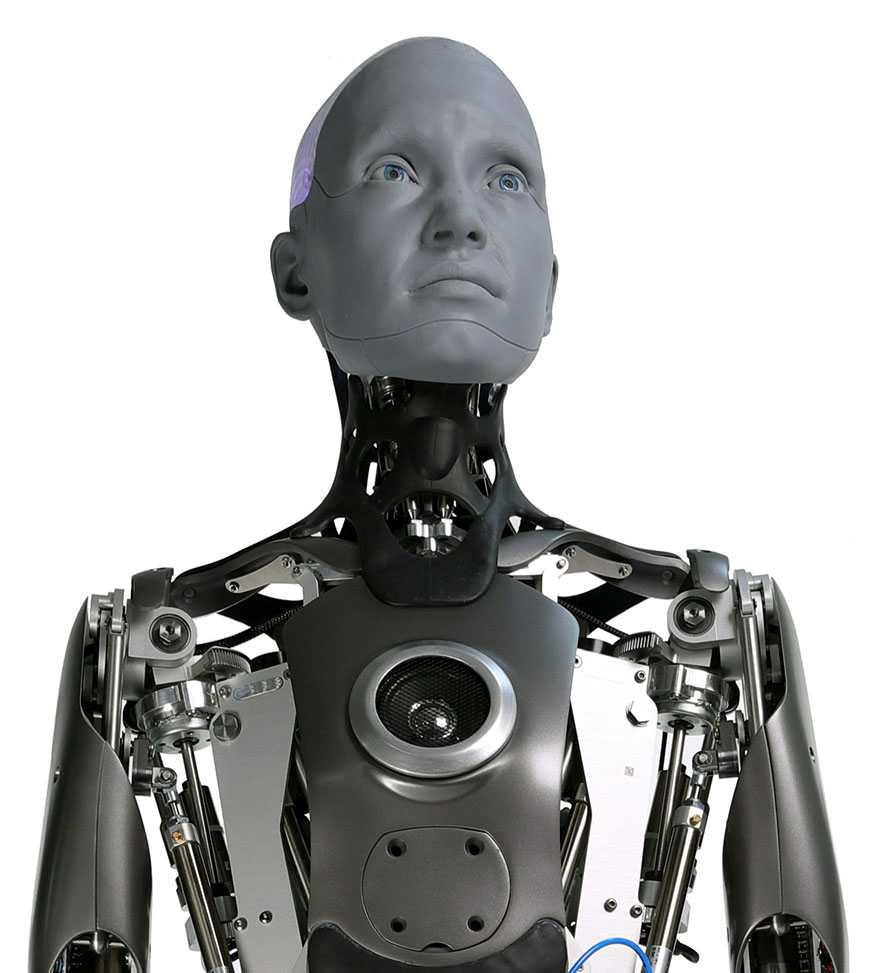
Manufacturer: Engineered Arts (Falmouth, UK)
Ameca is the world's most expressive humanoid robot, built for human interaction, research, and entertainment. Its hyper-realistic facial expressions, conversational AI with GPT integration, and lifelike gestures make it unmatched for customer-facing roles, exhibition demos, and HRI research. The Tritium OS platform enables embodied AI development. Deployed in schools, elder care, museums, and trade shows worldwide.
Key Specs:
- Height: 5'11" (180 cm)
- Facial Expressions: Most realistic of any robot — micro-expressions, eye tracking, lip sync
- AI: Conversational AI with GPT integration, Tritium OS
- Mobility: Mostly stationary (upper body focus)
Price: $100,000–$140,000 (depending on configuration)
Availability: Available for purchase and lease.
Best For: Human interaction research, exhibitions, hospitality, education
Pros: Unmatched expressiveness; GPT-powered conversation; proven in customer-facing environments
Cons: Cannot walk; mostly stationary; limited physical task capability
22. XPENG IRON — 82 Degrees of Freedom
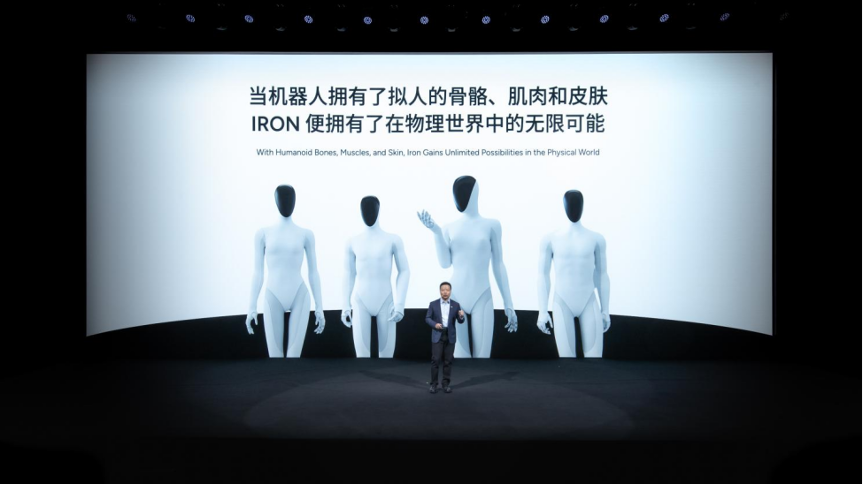
Manufacturer: XPENG Robotics (Guangzhou, China)
XPENG's IRON humanoid brings automotive engineering precision to humanoid robotics. With an industry-leading 200 degrees of freedom, 22-DoF hands, a solid-state battery, and 720° vision system, IRON achieves remarkably natural movement. Powered by XPENG's Turing AI / VLA 2.0 platform, it's partnered with Baosteel for industrial monitoring. The sheer DOF count is unprecedented — making IRON one of the most biomechanically advanced humanoids in development.
Key Specs:
- Degrees of Freedom: 200 (most of any humanoid by far)
- Hands: 22-DoF dexterous hands
- Battery: Solid-state
- Vision: 720° perception system
- AI: Turing AI / VLA 2.0 platform
Price: Not yet announced | View on Robozaps
Availability: Prototype. Baosteel industrial partnership active.
Best For: Industrial inspection, guided tours, equipment monitoring
Pros: Most degrees of freedom of any humanoid (200); solid-state battery; XPENG's manufacturing scale; 22-DoF hands
Cons: Not commercially available; prototype stage; no pricing announced
23. 1X EVE — First AI Humanoid in the Workforce
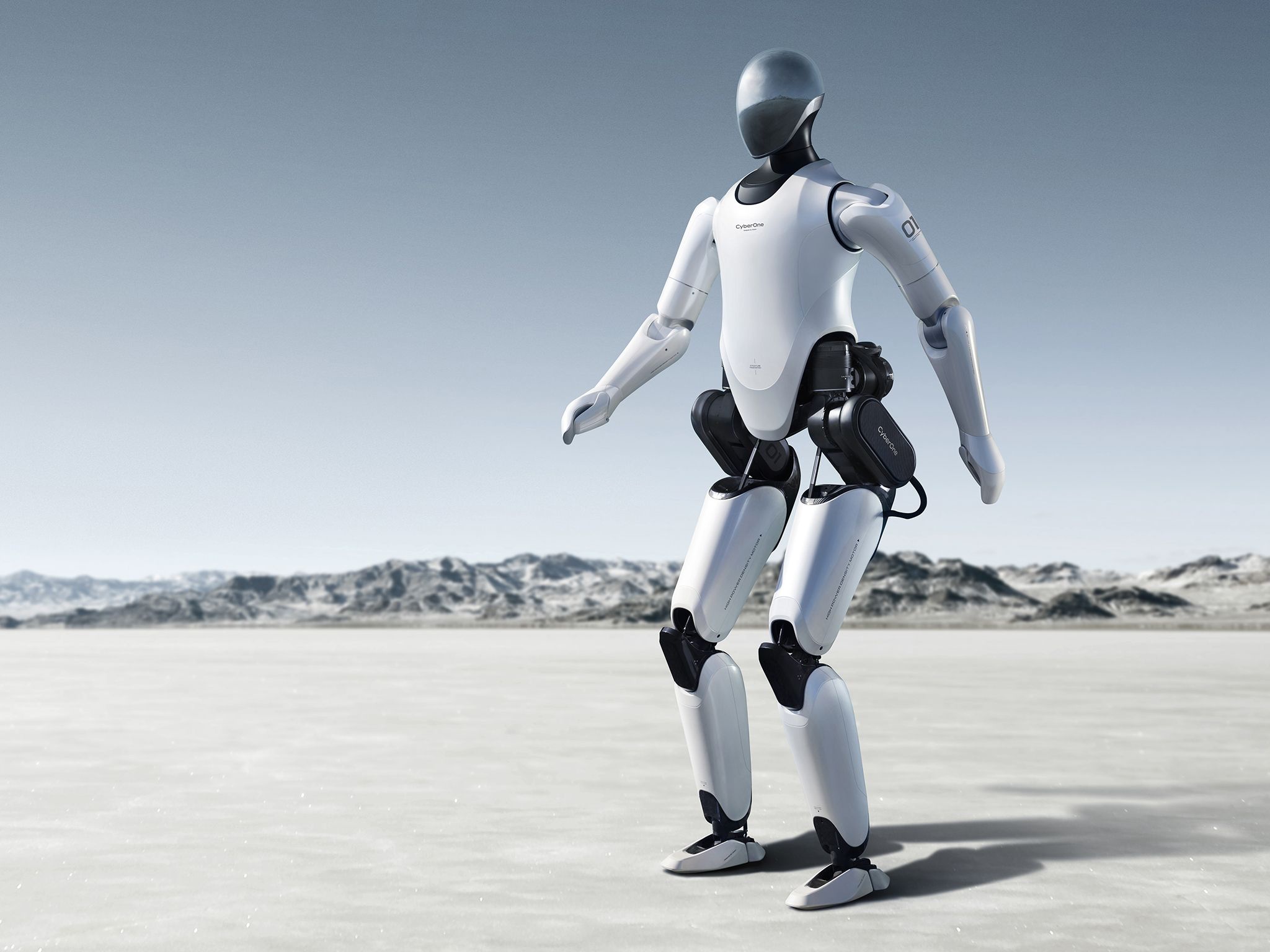
Manufacturer: 1X Technologies (Sunnyvale, CA / Oslo, Norway)
EVE holds the distinction of being one of the first AI-powered humanoid robots to enter the commercial workforce. Using a wheeled base for stability, EVE features strong grippers, panoramic vision cameras, and custom AI that learns and improves from experience. Deployed in security, manufacturing support, and logistics.
Key Specs:
- Height: 6'1" (186 cm) | Weight: 190 lbs (86 kg)
- Mobility: Self-balancing wheeled base
- Payload: ~33 lbs (15 kg)
- Battery: 6+ hours
Price: Enterprise pricing (contact manufacturer)
Availability: Commercially available for enterprise deployment.
Best For: Security, manufacturing support, logistics
Pros: Proven workforce deployment; reliable wheeled mobility; learning AI; long battery life
Cons: Wheeled, not bipedal; enterprise-only pricing
24. HMND 01 Alpha — UK's First Industrial Humanoid 🆕

Manufacturer: Humanoid Ltd (UK)
The HMND 01 Alpha is the UK's first humanoid robot designed for industrial use — and it was built in a remarkable 7 months. Standing an imposing 220 cm tall (7'3"), it's the tallest humanoid robot on this list. Available in both wheeled and bipedal variants, it moves at 7.2 km/h and carries 15 kg payloads. The KinetIQ AI framework provides vision, manipulation, navigation, and reasoning capabilities.
Key Specs:
- Height: 7'3" (220 cm) — tallest humanoid robot
- Degrees of Freedom: 29
- Payload: 33 lbs (15 kg)
- Speed: 7.2 km/h
- AI: KinetIQ framework with reasoning capabilities
- Variants: Wheeled and bipedal
Price: Contact sales
Availability: Available. Built and shipping from UK.
Best For: Industrial automation, manufacturing, logistics
Pros: Tallest humanoid (220cm); fast development cycle; available now; wheeled + bipedal options
Cons: New company with limited track record; limited ecosystem
25. Fauna Sprout — Home Developer Platform 🆕
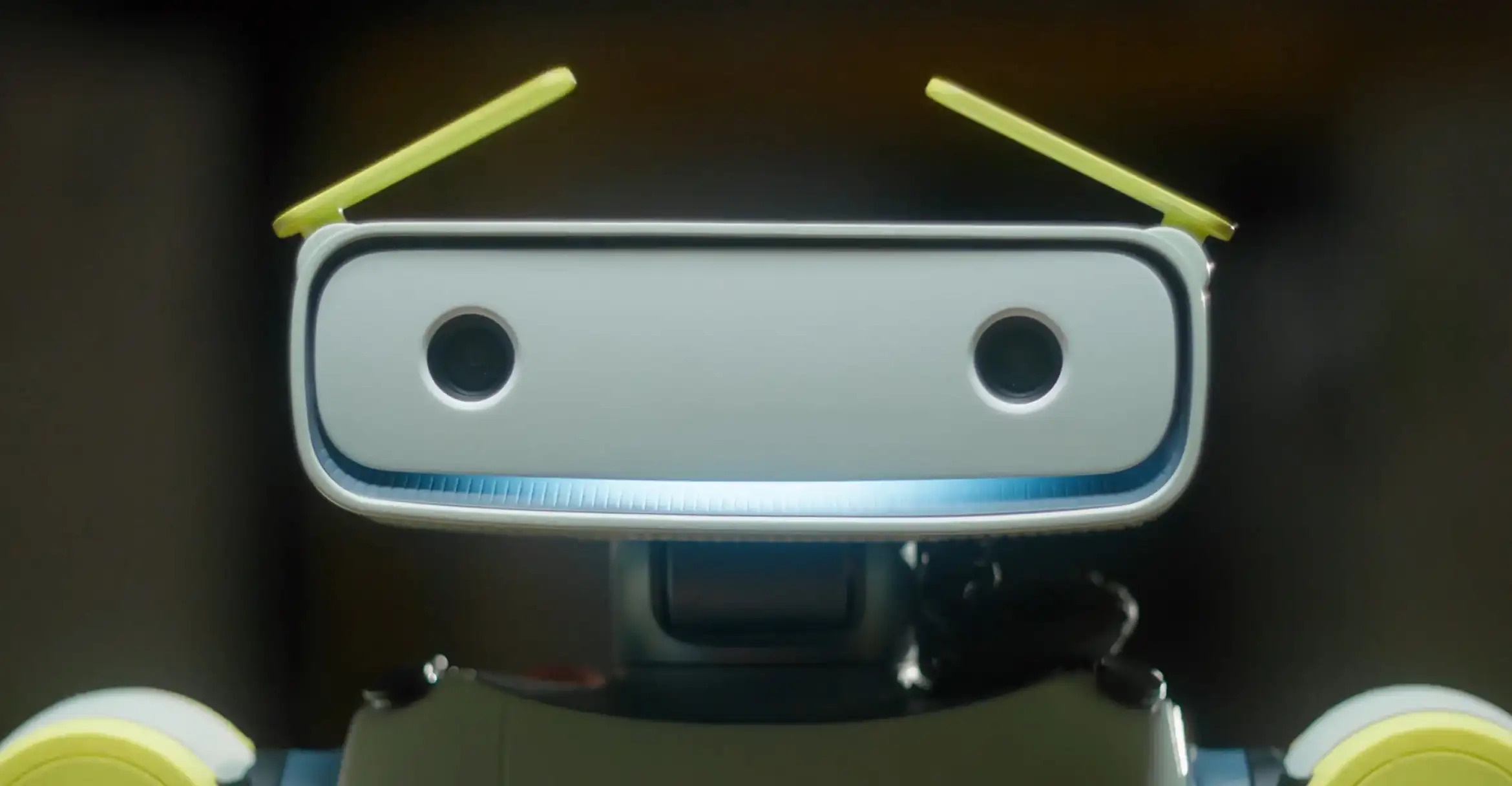
Manufacturer: Fauna Robotics (USA)
Fauna Sprout takes a different approach to home humanoids — it's a lightweight, interactive home robot built as an open developer platform. At $50,000, it sits between consumer and enterprise pricing, targeting developers, researchers, and tech-forward homes. Early customers include Disney, Boston Dynamics, UC San Diego, and NYU — a strong signal that Sprout has serious technical credibility despite being from a young company.
Key Specs:
- Design: Lightweight, home-safe
- AI: Vision, manipulation, navigation, social interaction
- Platform: Developer-ready with open SDK
- Early customers: Disney, Boston Dynamics, UC San Diego, NYU
Price: $50,000
Availability: Available for purchase.
Best For: Home R&D, developer platform, research institutions
Pros: Strong early customer list; developer-friendly; home-safe design
Cons: Expensive for consumers; limited public specs; new company
26. SoftBank Pepper — Most Deployed Humanoid Ever
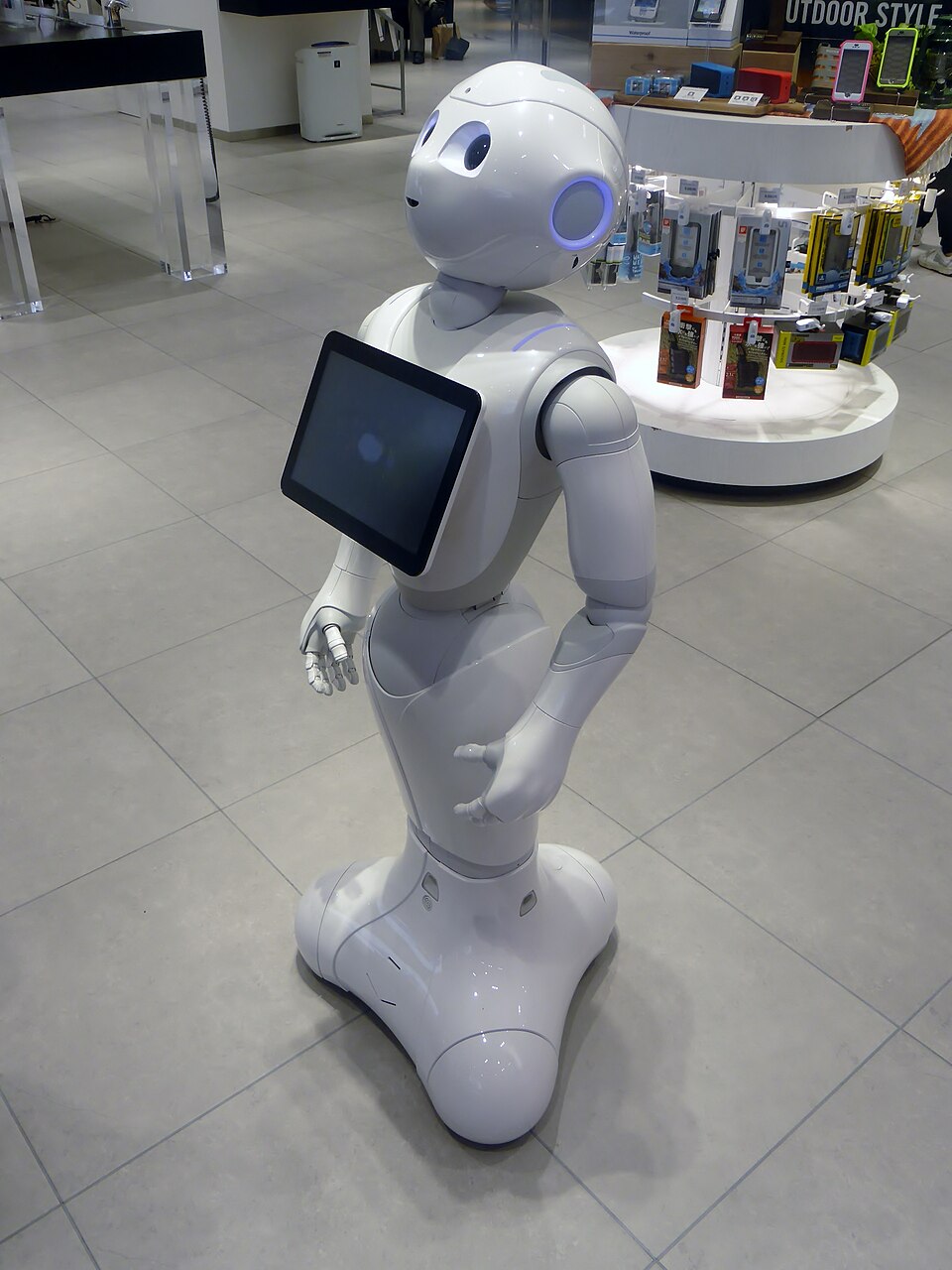
Manufacturer: SoftBank Robotics (Tokyo, Japan)
Though no longer in mass production, Pepper remains the most widely deployed service humanoid in history. Over 27,000 units have been sold and thousands continue operating in banks, airports, hospitals, and retail stores worldwide.
Key Specs:
- Height: 4'0" (121 cm) | Weight: 62 lbs (28 kg)
- Degrees of Freedom: 20
- AI: Multilingual (20+ languages), facial recognition
- Battery: ~12 hours (longest of any humanoid)
Price: Previously ~$1,800/month; now special order programs
Availability: Discontinued for mass sales; special orders and refurbished available.
Best For: Customer greeting, retail assistance, education
Pros: Most proven track record (27,000+ units); 12-hour battery; multilingual
Cons: No longer in production; outdated AI vs. 2026 competitors
27. SoftBank NAO — Best Educational Humanoid
Manufacturer: SoftBank Robotics / Aldebaran (Paris, France)
NAO is the world's most popular educational humanoid robot. Standing just 58 cm tall, this bipedal robot speaks 20 languages, features 25 degrees of freedom, and is used in thousands of schools, universities, and research labs. At ~$9,000, it's the most accessible bipedal humanoid for educational institutions.
Key Specs:
- Height: 23" (58 cm) | Weight: 12 lbs (5.4 kg)
- Degrees of Freedom: 25
- Languages: 20+
- Battery: ~90 minutes
Price: ~$9,000
Availability: Available for purchase.
Best For: Education, autism therapy research, programming instruction
Pros: Most deployed educational robot; multilingual; affordable; extensive curriculum
Cons: Very small; minimal physical capability; aging hardware
28. Promobot V.4 — Best Service & Concierge Robot
Manufacturer: Promobot (Philadelphia, PA / Perm, Russia)
Promobot V.4 is the most customizable service humanoid available — hotel concierge, museum guide, medical assistant, or security system. With facial recognition, document scanning, payment processing, and natural language conversation, over 800 units operate in 47 countries.
Key Specs:
- Height: Adjustable 150-206 cm | Weight: Up to 130 kg (varies by config)
- Degrees of Freedom: 36 (face + upper body)
- Battery: 8+ hours
- Capabilities: Facial recognition, document scanning, payment processing
Price: $25,000–$50,000
Availability: Commercially available in 47 countries.
Best For: Hotel concierge, museum tours, healthcare intake
Pros: Highly customizable; proven in 47 countries; 800+ units; integrated payments
Cons: Wheeled, not bipedal; limited physical capability; less advanced AI than 2026 competitors
29. Noetix Bumi — Cheapest Humanoid Robot Ever ($1,400) 🆕

Manufacturer: Noetix Robotics (Beijing, China) | Founded: 2023 | Funding: $41M Pre-B (Vertex Ventures)
The Noetix Bumi represents a breakthrough in humanoid robot affordability. At just $1,400 (¥9,998), it's the cheapest functional humanoid robot ever offered — making bipedal robotics accessible to schools, families, and individual hobbyists for the first time. Standing 94 cm tall and weighing only 12 kg, Bumi is a child-sized desktop humanoid designed specifically for education and home entertainment.
Launched in October 2025, Bumi sold 100 units in its first hour and 500 units within two days on JD.com — validating massive pent-up demand for affordable humanoid platforms. Founded by 27-year-old Jiang Zheyuan (Tsinghua University), Noetix Robotics achieved this price point through vertical integration (designing motors and controllers in-house), lightweight composite construction (12 kg vs. competitors' 25-50 kg), and 100% domestic Chinese supply chains.
While Bumi lacks the payload capacity and autonomy of industrial humanoids, it delivers genuine bipedal walking, running, dancing, and coordinated movement — making it a legitimate development platform for robotics education and programming learning. The company targets 1,000 units/month production by late 2025.
Key Specs:
- Height: 3'1" (94 cm) | Weight: 26 lbs (12 kg)
- Degrees of Freedom: 21 joints
- Battery: 48V, 3.5Ah+ (1-2 hours runtime)
- Locomotion: Bipedal walking, running, dancing, terrain adaptation
- Sensors: Front camera (object detection, facial recognition), microphones (voice commands)
- Processor: Rockchip (domestic)
- Programming: Drag-and-drop graphical interface for beginners, open API for developers
- Materials: Lightweight composite with metal reinforcement at stress points
Price: $1,400 (¥9,998) — cheapest humanoid robot ever
Availability: Pre-order on JD.com (China only). International distribution not yet announced. Shipping expected Q2 2026.
Best For: K-12 STEM education, university robotics labs, hobbyist makers, family entertainment, programming learning platforms
Pros: Revolutionary $1,400 price point (10x cheaper than competitors); child-safe 94 cm size; ultra-lightweight (12 kg); genuine bipedal walking/running; open programming API; proven demand (500 units in 2 days); beginner-friendly graphical programming; from credible manufacturer (N2 half-marathon winner)
Cons: Very short battery life (1-2 hours); China-only availability currently; limited payload capacity; not suitable for industrial work; simplified sensor suite; pre-order only (not yet shipping); supervised operation required; no LIDAR/depth sensors
Note: Noetix also offers the N2 humanoid ($5,500, 118 cm) which finished 2nd in the world's first humanoid half-marathon. The company plans even cheaper robots at ~$700 in future iterations.
30. DroidUp Moya — World's First Warm-Skin Humanoid 🆕
Manufacturer: DroidUp/Zhuoyide (Shanghai, China) | Founded: 2021 | Price: $173,000
The DroidUp Moya is attempting something no other humanoid has: feeling genuinely human to the touch. With synthetic skin that maintains body temperature between 32-36°C, micro-expressions across 25 facial degrees of freedom, and 92% human-like walking accuracy, Moya represents China's most ambitious push into biomimetic robotics.
Key Specs: 165 cm height | 32 kg weight | 25 facial DOF | 0.83 m/s walking speed | 4-hour battery | Walker 3 skeleton | Tendon-assisted actuation
Availability: Late 2026 (expected) — First batch ~50 units
Best For: Healthcare, eldercare, museums, premium hospitality, human-robot interaction research
Pros: World's first warm-skin humanoid (32-36°C); combines walking + emotional expressions; lightweight (32 kg); customizable appearance; real-time micro-expressions
Cons: Not available until late 2026; new company with no consumer track record; uncanny valley concerns; limited specs disclosed; China-focused initially
Read full DroidUp Moya review →
31. Xpeng Iron — EV Giant's 82-DOF Humanoid 🆕
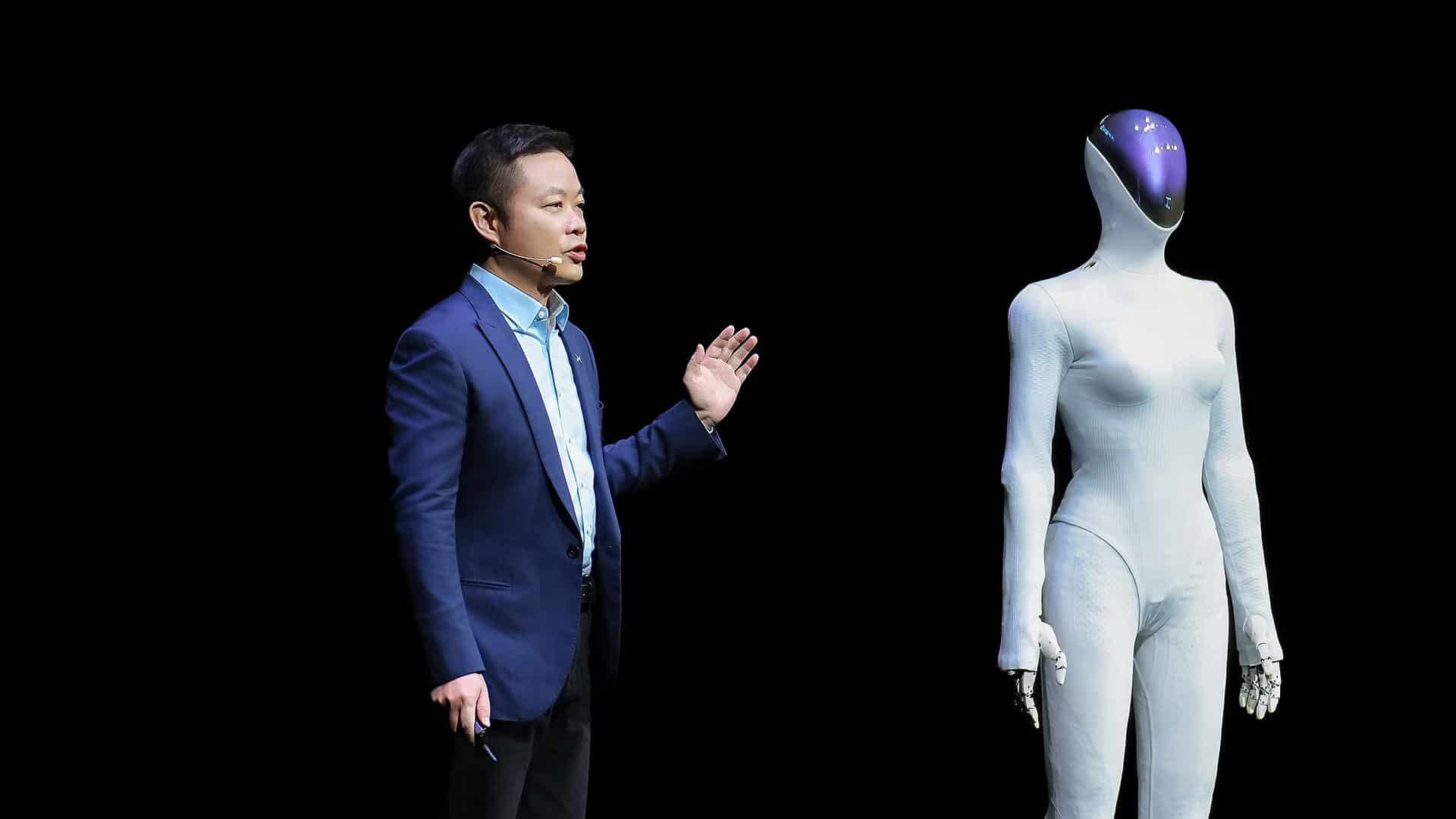
Manufacturer: Xpeng Robotics (Guangzhou, China) | Parent: Xpeng Inc. ($18B EV maker) | Price: ~$150,000 (estimated)
The Xpeng Iron is what happens when an $18 billion EV company decides humanoid robots are the next frontier. With 82 degrees of freedom, 22-DOF dexterous hands, three proprietary Turing AI chips delivering 2,250 TOPS, and a 110,000-square-meter factory breaking ground in 2026, Xpeng isn't building a prototype — it's building an army.
Key Specs: 178 cm height | 70 kg weight | 82 body DOF | 22 DOF per hand | 2,250 TOPS compute | VLA 2.0 AI | Solid-state battery | 720° vision
Availability: Factory groundbreaking Q1 2026, mass production targeted late 2026
Best For: Retail service, industrial inspection, guided tours, showroom deployment
Pros: Industry-leading compute (2,250 TOPS); EV manufacturing scale; 82+ DOF; VLA 2.0 AI; SDK released; Baosteel partnership
Cons: No confirmed pricing; aggressive timeline risk; demo showed balance issues; China-first strategy
32. Hexagon AEON — Europe's First Humanoid at BMW 🆕
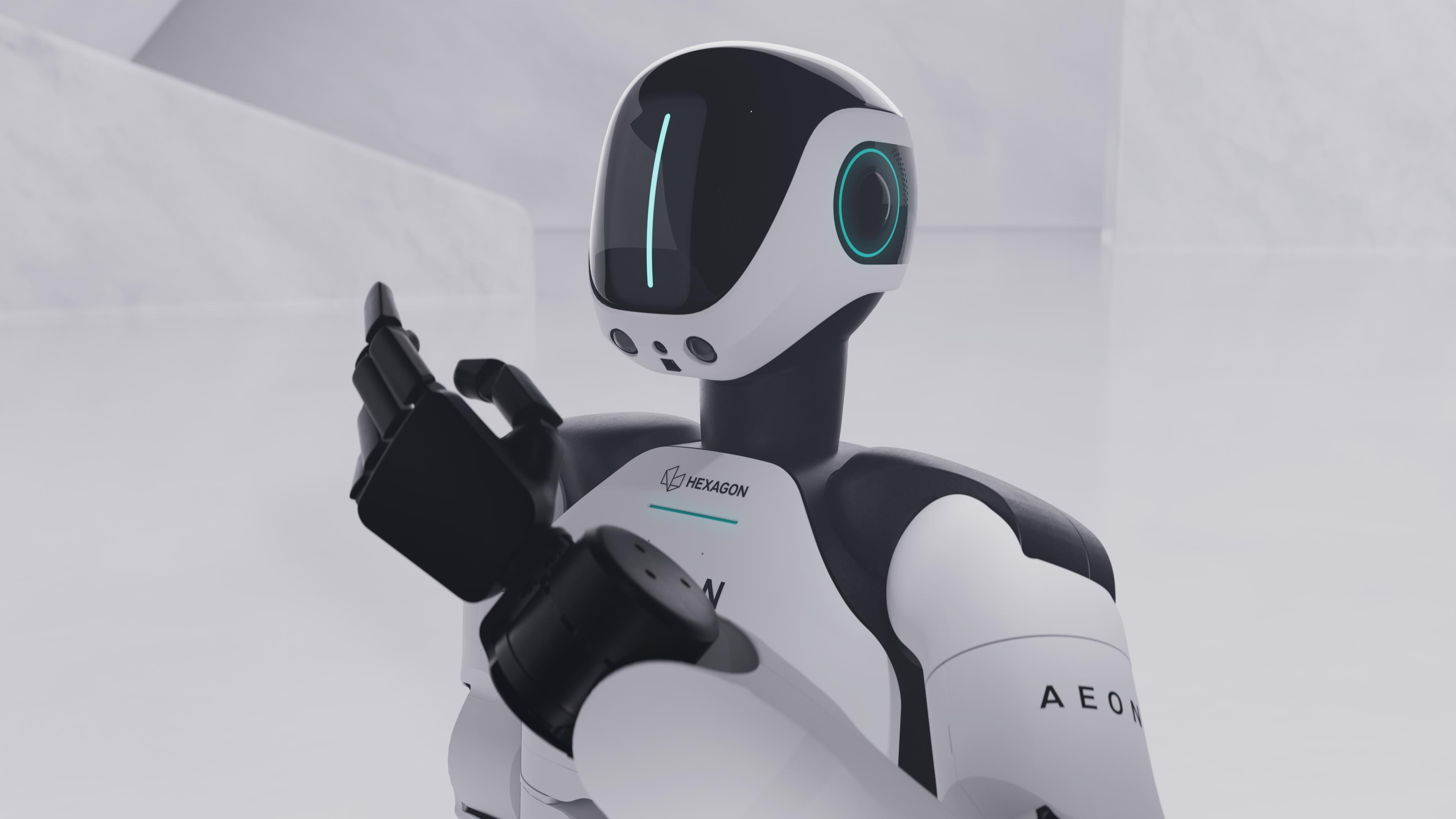
Manufacturer: Hexagon Robotics (Germany) | Partner: BMW | Price: Enterprise (contact for pricing)
Hexagon AEON makes history as Europe's first humanoid robot heading to mass automotive production. Deployed at BMW Plant Leipzig for battery and component manufacturing, AEON features a wheeled bipedal design optimized for industrial precision rather than flashy demos.
Key Specs: 165 cm height | 60 kg weight | 22 integrated sensors | 360° spatial awareness | Self-swapping batteries (23 seconds) | Wheeled bipedal locomotion
Availability: BMW pilot started Dec 2025, full production target end of 2026
Best For: Automotive manufacturing, precision assembly, battery production, component handling
Pros: Europe's first production humanoid; BMW validation; industrial-grade precision; fast battery swap (23 sec); designed for real factory work not demos
Cons: Enterprise-only pricing; wheeled (not fully bipedal); limited public specs; Europe-focused initially
How to Choose the Best Humanoid Robot for Your Needs
By Use Case
Factory & Manufacturing: Figure 03 offers the best AI + dexterity combination. Tesla Optimus Gen 3 will be the value leader once externally available. Walker S1 and Atlas are proven in automotive plants. For heavy parts, Apollo's 25 kg payload leads the field.
Warehouse & Logistics: Digit is the undisputed leader — 8-hour battery, Amazon-proven, mass-manufactured. RobotEra STAR1 offers speed advantage at a lower price. Apollo handles the heaviest loads.
Healthcare & Rehabilitation: Fourier GR-2 is purpose-built by rehabilitation robotics experts with 50 kg payload for patient support. No other humanoid comes close in this vertical.
Research & Education: Unitree G1 at $16,000 is unbeatable for labs. NAO at $9,000 for K-12 education. H1-2 at $90,000 for full-size research. The new Unitree R1 at $5,900 is the cheapest entry point ever.
Customer Service & Hospitality: Ameca for maximum wow-factor. Promobot V.4 for practical concierge tasks. AgiBot A2 for AI-native conversation.
Home & Personal Use: 1X NEO ($20,000 or $499/month) is the first purpose-built home humanoid now shipping. Fauna Sprout ($50K) for developer-minded homes. Tesla Optimus is the long-term home robot play, but 2+ years away from consumers.
By Budget
Under $10,000: Unitree R1 ($4,900-$5,900) — cheapest humanoid ever. SoftBank NAO (~$9,000) — educational only.
$10,000–$25,000: Unitree G1 ($16,000–$27,000), 1X NEO ($20,000), Promobot V.4 ($25,000+).
$25,000–$100,000: Unitree H2 ($29,900), Tesla Optimus (~$25K–$30K est.), Kepler Forerunner (~$30K est.), Phoenix (~$40K), Fauna Sprout ($50K), Astribot S1 (~$80K), H1-2 ($90K), RobotEra STAR1 (~$96K).
$100,000–$250,000: Figure 03 (~$130K), Ameca ($100K–$140K), Fourier GR-2 (~$150K), Digit (~$250K).
$250,000+: Boston Dynamics Atlas (~$420,000) — enterprise-only, premium capabilities.
Humanoid Robot Market in 2026: Key Trends
The humanoid robotics market is experiencing explosive growth. Valued at $2.03 billion in 2024, it's projected to surpass $13 billion by 2029 according to MarketsandMarkets — a nearly 7x increase in five years. Several forces are driving this transformation:
Mass Production Is No Longer a Promise — It's Happening
March 2026 marked the true beginning of humanoid mass production. Tesla commenced Optimus Gen 3 manufacturing at Fremont with a 1M unit/year capacity target. Figure AI's BotQ facility is tooled for 12,000 Figure 03 units per year. Agility's RoboFab produces thousands of Digits annually. AgiBot has shipped 5,000+ A2 units globally. China's Eyou opened the world's first automated production line for humanoid robot joints. This supply chain maturation will drive prices down 30–50% over the next 2–3 years.
AI Is the Game-Changer
Every top humanoid robot in 2026 runs on advanced AI — vision-language models for understanding commands and environments, large language models for natural conversation, and reinforcement learning for physical tasks. Figure 03's Helix platform can hold conversations while performing multi-step assembly. Tesla Optimus leverages FSD neural networks. Sanctuary's Carbon™ cuts task training time by 88%. This AI integration is what separates today's humanoids from the clunky automatons of five years ago.
Automakers Are Going All-In
BMW (Figure), Hyundai (Atlas), Audi (Walker S1), Mercedes-Benz (Apollo), NIO (Walker S1), Baosteel (XPENG IRON), and Foxconn (UBTECH) are integrating humanoid robots into their factories. Tesla discontinued Model S and X to make room for Optimus production at Fremont. The automotive industry's adoption signals that humanoid robots are transitioning from novelty to necessity.
The Price Floor Keeps Dropping
In 2023, the cheapest capable humanoid was around $16,000 (Unitree G1). In 2026, Unitree's R1 hit $5,900 and 1X's NEO subscription is just $499/month. Kepler targets $30K for a full-size industrial humanoid. Tesla targets sub-$20K at scale. Within 3–5 years, expect capable humanoids under $5,000 — approaching appliance pricing. In late 2025, Noetix Bumi shattered expectations at $1,400 — proving humanoid robotics has reached consumer electronics price parity.
China vs. USA: The Humanoid Race Intensifies
Chinese companies (Unitree, AgiBot, RobotEra, Fourier, UBTECH, Kepler, Astribot, XPENG, EngineAI) now produce more humanoid robot models than any other country. The Chinese government has formed industrial coalitions supporting humanoid development. Meanwhile, the US leads in AI sophistication (Figure, Tesla, Boston Dynamics, 1X, Apptronik) and venture capital. For buyers, this competition means more options, lower prices, and faster innovation.
Home Robots Are Finally Real
2026 marks the first time humanoid robots are actually shipping to homes. 1X's NEO is delivering to early adopters at $20,000 (or $499/month). Fauna Sprout offers a developer platform at $50K. Figure 03 is targeting home betas. Tesla targets sub-$20,000 consumer Optimus by 2028. The home humanoid era that science fiction promised is beginning now.
Where to Buy a Humanoid Robot in 2026
If you're looking for the best humanoid robot for sale, here are your options:
- Robozaps Marketplace: Browse humanoid robots with detailed specs and pricing at robozaps.com/shop — including Unitree G1, H1, Figure 02/03, Digit, and more.
- Direct from manufacturer: Visit Unitree, Figure AI, Agility Robotics, Sanctuary AI, Fourier Intelligence, 1X Technologies, or Engineered Arts.
- Enterprise sales: For Atlas, Apollo, Walker S1, and other enterprise-grade robots, contact the manufacturer's B2B sales team.
- Leasing & RaaS: 1X offers NEO at $499/month. Some manufacturers offer robot-as-a-service models.
Frequently Asked Questions About Humanoid Robots
What is the best humanoid robot in 2026?
The Figure 03 ranks as the best overall humanoid robot in 2026, combining advanced AI (Helix platform), 48+ degrees of freedom, dexterous palm-camera manipulation, real-world factory deployments with BMW, and BotQ mass manufacturing. For specific use cases: Digit leads in logistics, Unitree G1 in affordability, Fourier GR-2 in healthcare, and NEO for home use.
How much does a humanoid robot cost in 2026?
Humanoid robot prices in 2026 range from $5,900 (Unitree R1) to over $420,000 (Boston Dynamics Atlas). Most commercial humanoids fall in the $20,000–$250,000 range. The cheapest capable humanoids: Unitree R1 ($4,900-$5,900), Unitree G1 ($16,000), 1X NEO ($20,000 or $499/mo). Tesla's Optimus targets under $20,000 long-term.
Can I buy a humanoid robot for my home in 2026?
Yes — for the first time, home humanoid robots are actually shipping. 1X Technologies' NEO is delivering to early adopters at $20,000 (or $499/month) and is designed specifically for home use. The Unitree G1 ($16,000) is affordable for enthusiasts. Fauna Sprout ($50K) serves developer-minded homes. Tesla Optimus may become the ultimate home robot once it reaches consumer pricing (expected 2028+).
What is the cheapest humanoid robot you can buy?
The Unitree R1 at just $5,900 is the cheapest humanoid robot ever offered — now available for pre-order. For a more capable option, the Unitree G1 at $16,000 offers up to 43 degrees of freedom, 3D LiDAR, and ships worldwide. The SoftBank NAO at ~$9,000 is a small educational robot, not a full-size humanoid.
Which humanoid robot has the longest battery life?
For wheeled humanoids: SoftBank Pepper leads at ~12 hours. For service robots: Promobot V.4 at 8+ hours. For bipedal humanoids: Agility Robotics Digit is the endurance champion at 4 hours of continuous bipedal operation — crucial for warehouse shifts.
What can humanoid robots actually do in 2026?
Today's best humanoid robots can: pick and pack warehouse orders (Digit), perform factory assembly and quality inspection (Figure 03, Walker S1, Atlas), navigate stairs and uneven terrain (Atlas, H1-2), hold natural conversations (Ameca, Phoenix), assist with physical therapy (GR-2), carry up to 55 lbs (Apollo, GR-2), run at up to 12 km/h (NEO), and operate up to 8 hours on a charge (Digit). They cannot yet reliably cook complex meals, drive vehicles, or fully replace human judgment in unstructured environments.
Are humanoid robots replacing human workers?
Not replacing — augmenting. In 2026, humanoid robots handle repetitive, physically demanding, or dangerous tasks that are difficult to staff. The US manufacturing labor shortage exceeds 415,000+ unfilled positions. Tesla literally couldn't find enough humans to run its factories, which partly drove the Optimus program. The World Economic Forum estimates automation will create more new jobs in robot maintenance, programming, and oversight than it eliminates.
Which humanoid robot has the most degrees of freedom?
The XPENG IRON leads with 82 degrees of freedom in the body plus 22 DOF per hand. The Fourier GR-2 follows with 53 DoF, and Astribot S1 features 52 DoF.
How long until humanoid robots are in every home?
Industry leaders predict humanoid robots could be widespread in homes by the early 2030s. 1X's NEO is already shipping at $20,000. Tesla targets sub-$20,000 Optimus by 2028, with millions of units by 2029. Unitree's R1 at $5,900 shows prices are dropping fast. More conservative estimates suggest mainstream adoption (>10% of households) by 2035, once prices drop below $5,000 and AI supports unsupervised operation.
What's the difference between bipedal and wheeled humanoid robots?
Bipedal humanoid robots (Atlas, Figure 03, Digit) walk on two legs, enabling stairs, uneven terrain, and human-designed spaces. Mechanically more complex with shorter battery life. Wheeled humanoids (Pepper, EVE, Promobot) are more energy-efficient and stable but can't handle stairs or rough terrain. The best choice depends on your environment — warehouses with multiple floors need bipedal; flat retail spaces work great with wheeled.
Conclusion: The Humanoid Revolution Is No Longer Coming — It's Here
The 32 best humanoid robots of 2026 represent a genuine inflection point in technology history. Tesla is mass-producing Optimus Gen 3 at Fremont. Atlas is shipping to Hyundai factories. Figure 03's BotQ is ramping to 12,000 units per year. NEO is delivering to homes. And the cheapest humanoid robot now costs just $5,900.
Prices range from $5,900 to $420,000, with the sweet spot rapidly moving downward. AI capabilities are advancing at breakneck speed — each generation dramatically more capable than the last. With China and the US racing to lead the humanoid revolution, innovation is accelerating on every front.
Whether you're evaluating humanoid robots for your business, researching investment opportunities, or tracking the future of technology, 2026 is the year these machines proved they belong. The question is no longer "will humanoid robots work?" — it's "which one is right for you?"
Stay ahead of the humanoid revolution. Bookmark this page — we update our rankings monthly as new robots launch and existing ones evolve. For individual robot reviews, pricing, and buying advice, explore more on blog.robozaps.com and browse humanoid robots for sale on Robozaps.
Last updated: March 10, 2026 | Pricing and availability verified against manufacturer sources, CES 2026 announcements, and industry contacts.
Figure 01 review: the humanoid that started Figure AI's journey. Full specs, real capabilities & how it compares to Figure 02. Expert analysis.
The Figure 01 changed the trajectory of humanoid robotics when it debuted in 2023. Built by Figure AI — a startup now valued at $39 billion after raising over $1.75 billion in total funding (including a $675M Series B from Microsoft, NVIDIA, OpenAI, and Jeff Bezos, and a $1 billion Series C in September 2025 from Intel, NVIDIA, Qualcomm, T-Mobile, Salesforce, and Brookfield) — the Figure 01 was the company's proof-of-concept humanoid designed for real-world commercial labor. In this Figure 01 review, we break down its full specifications, real-world capabilities, OpenAI-powered AI system, limitations, and how it compares to its successors, the Figure 02 and the newly announced Figure 03, as well as competitors like the Unitree G1 and Tesla Optimus.
Key Takeaways
- The Figure 01 stands 5 feet 6 inches (1.68m) tall, weighs 132 lbs (60 kg), can carry 44 lbs (20 kg), and runs for approximately 5 hours on a single charge.
- Originally powered by OpenAI's vision-language models, Figure 01 could understand spoken instructions, describe what it sees, reason about tasks, and execute multi-step actions autonomously. Figure AI ended the OpenAI partnership in 2025, developing its own proprietary Helix AI.
- Figure 01 was deployed at BMW's Spartanburg plant in South Carolina for manufacturing tasks, marking one of the first real-world factory deployments of a general-purpose humanoid.
- Figure AI has since launched the Figure 02 (with 16 DOF hands, Helix AI, and onboard compute) and announced Figure 03 for residential environments, targeting 2026 for advanced home autonomy.
- Figure AI opened BotQ, a manufacturing facility designed to produce 12,000 humanoid robots per year, with plans to use its own robots to build more robots.
- The Figure 01 is not available for individual purchase — it's deployed through enterprise partnerships. Estimated per-unit cost ranged from $30,000 to $150,000.
Figure 01 Full Specifications
Here's the complete spec sheet for the Figure 01 humanoid robot, verified against Figure AI's published data and third-party analyses:
At 5'6" and 132 lbs, the Figure 01 was designed to operate in spaces built for humans — standard doorways, aisles, staircases, and workstations. Its 44-lb payload capacity makes it suitable for manufacturing tasks like picking, placing, and carrying components. The 5-hour battery life was a standout feature in 2023–2024, exceeding most competitors at the time.
Figure 01 AI Capabilities: The OpenAI Integration
What separated the Figure 01 from every other humanoid robot in 2024 was its AI. Figure AI partnered with OpenAI to integrate advanced vision-language models directly into the robot's decision-making pipeline. The results were demonstrated in a viral March 2024 video that showed Figure 01:
- Conversing naturally: A human asked the robot what it could see on a table. Figure 01 correctly identified an apple, a plate, and a drying rack, then explained its reasoning.
- Planning multi-step tasks: When asked to give the human "something to eat," Figure 01 identified the apple as the only edible item and handed it over.
- Learning from observation: The robot learned to make coffee by watching a human perform the task once, then replicated the sequence autonomously.
- Real-time speech: Full-speed conversation with natural language understanding — not pre-scripted commands.
This wasn't teleoperation or pre-programmed behavior. The OpenAI model processed camera feeds and audio in real-time, generated a plan, and controlled the robot's body to execute it. Figure AI CEO Brett Adcock described it as "the first time a humanoid robot could truly reason about its environment and act on that reasoning."
The underlying system used a vision-language-action (VLA) architecture — the same family of models pioneered by Google DeepMind's RT-2. In 2025, Figure AI ended its OpenAI collaboration, with the company stating that large language models are "getting smarter yet more commoditized." Figure AI developed its proprietary Helix VLA system, which now powers the Figure 02 and future models, running on dual onboard GPUs with System 2 handling high-level planning at 7-9 Hz and System 1 providing low-level motor control at 200 Hz.
Real-World Deployment: BMW Spartanburg
In January 2024, Figure AI announced a commercial agreement with BMW to deploy Figure 01 robots at BMW's Spartanburg manufacturing plant in South Carolina — one of BMW's largest global factories, producing over 1,500 vehicles per day.
The deployment started with specific manufacturing tasks:
- Sheet metal insertion: Figure 01 picked up body panel components and inserted them into fixtures — a repetitive, ergonomically challenging task.
- Material transport: Moving parts bins and components between workstations.
- Quality inspection support: Using its camera system to assist in visual quality checks.
The BMW partnership initially focused on testing and validating Figure 01 in real manufacturing conditions. While Figure 01 proved the concept, it was its successor — the Figure 02 — that later achieved a 400% efficiency gain in BMW factory tasks during its 2025 deployment, specifically inserting sheet metal parts into chassis assemblies. The partnership validated Figure AI's approach of building a general-purpose robot that learns tasks rather than requiring task-specific engineering.
This BMW partnership was a landmark moment for the humanoid robotics industry. It proved that a general-purpose humanoid could add value in a real automotive manufacturing environment — not just in controlled lab demos.
Figure 01 Design and Build Quality
The Figure 01's industrial design reflects its purpose as a commercial work tool rather than a research curiosity:
- Human-proportioned frame: At 5'6" and human-like proportions, Figure 01 works naturally at standard workstations, shelves, and equipment designed for human operators.
- Custom electric actuators: Every joint uses proprietary actuators designed for the torque, speed, and efficiency profiles needed for industrial tasks. No hydraulics — fully electric for cleaner, quieter operation.
- Dexterous hands: Multi-fingered hands with individual finger control and force sensing. Capable of grasping objects of varying sizes, from small fasteners to large parts bins.
- Modular architecture: Designed for field serviceability. Components can be swapped without returning the robot to the factory.
- Safety considerations: Rounded edges, compliant surfaces on contact points, and software-limited force output to enable human-proximate operation.
The robot's aesthetic is deliberately industrial — matte black and gray panels, exposed cable routing where necessary, and functional rather than decorative design. This is a tool, not a toy.
Figure 01 vs Figure 02 vs Figure 03: The Evolution
Figure AI has iterated rapidly. Here's how the three generations compare:
The biggest evolution across generations: Figure 01 relied on OpenAI's cloud-based AI; Figure 02 runs proprietary Helix AI on onboard chips; and Figure 03 adds the ability to control two robots simultaneously and handle unpredictable home environments. The Helix VLA system can pick up nearly any small household object, even those it hasn't seen before — a massive leap from Figure 01's more constrained capabilities.
Figure 01 vs Competitors: How It Compares in 2026
The humanoid robot market has exploded since Figure 01's debut. Here's how it stacks up against the current field:
The Figure 01's key legacy is proving that a general-purpose humanoid could work in real factory conditions. While the hardware specs were competitive for 2023–2024, the AI integration was the real differentiator. By 2026, the Figure 02 has taken over as Figure AI's active platform, and competitors like AgiBot A2 (49 DOF, 200 TOPS AI) and Apptronik Apollo (25 kg payload, Mercedes deployment) have raised the bar.
For buyers looking for an affordable humanoid robot available today, the Unitree G1 starting at $16,000 is the most practical option. For enterprise manufacturing deployments, Figure 02 and Apollo lead the field. See our full ranking of the best humanoid robots in 2026.
Figure 01 Strengths and Weaknesses
Strengths
- Pioneered OpenAI-powered humanoid AI — first robot to demonstrate real conversational reasoning and autonomous task planning
- 5-hour battery life outperformed most competitors at launch
- 20 kg payload handles real manufacturing components
- Human-height form factor (5'6") works in standard human environments
- BMW deployment validated commercial viability in automotive manufacturing
- Fully electric — cleaner, quieter, and lower maintenance than hydraulic systems
- Modular design for field serviceability
- Task learning from observation — watch once, replicate autonomously
Weaknesses
- Not available for individual purchase — enterprise-only through Figure AI
- First-generation hardware now retired, superseded by Figure 02 and Figure 03
- Walking speed of 1.2 m/s is slower than Unitree H1 (3.3 m/s) or Tesla Optimus
- Limited hand dexterity compared to Figure 02's 16 DOF hands
- Relied on external compute for full AI capability — not fully edge-processed
- OpenAI dependency — partnership ended in 2025 as Figure built proprietary AI
- No public SDK or developer access — closed platform
- High estimated cost ($30K–$150K) compared to Unitree G1 ($16,000)
- Indoor industrial use only — no outdoor or rough terrain capability
Figure AI: Company Background and Funding
Understanding Figure 01 requires understanding Figure AI, one of the most well-funded robotics startups in history:
- Founded: 2022 by Brett Adcock (previously founded Archer Aviation, valued at $2.7B, and Vettery)
- Headquarters: San Jose, California
- Total funding: Over $1.75 billion across three rounds
- Series B (Feb 2024): $675 million from Microsoft, NVIDIA, OpenAI Startup Fund, Jeff Bezos, Intel Capital — $2.6B valuation
- Series C (Sep 2025): $1 billion from Intel, NVIDIA, Qualcomm, T-Mobile, Salesforce, Brookfield Asset Management — $39 billion valuation
- Employees: 180+ engineers across AI, mechanical engineering, and robotics
- BotQ Factory: Announced March 2025 — manufacturing facility designed to produce 12,000 humanoid robots per year, with plans to use Figure robots to help build more Figure robots
- Production target: Figure AI plans to ship 100,000 humanoid robots over the next 4 years (announced January 2025, Forbes)
The $39 billion valuation makes Figure AI one of the most valuable robotics companies in the world. With Microsoft, NVIDIA, Qualcomm, and Salesforce backing, Figure AI has access to cloud compute, edge AI chips, enterprise distribution, and CRM infrastructure that smaller competitors cannot match.
Who Is the Figure 01 For?
The Figure 01 is relevant for:
- Enterprise manufacturers evaluating humanoid robots for assembly, material handling, and logistics
- Robotics researchers studying the evolution of AI-powered humanoids
- Technology executives benchmarking humanoid capabilities for future adoption
- Investors tracking the humanoid robotics market trajectory
The Figure 01 is NOT for:
- Individual consumers or hobbyists — no retail availability
- Researchers needing open SDK access — the platform is closed
- Budget buyers — the Unitree G1 at $16,000 is the affordable option
- Home use — Figure 03 targets residential environments in 2026, or try the 1X NEO
Figure 01 Timeline: From Concept to Retirement
Understanding the Figure 01's significance requires context of its rapid development:
- 2022: Figure AI founded by Brett Adcock. Company announces mission to build a general-purpose humanoid robot.
- March 2023: Figure 01 prototype revealed. First walking demos shown. Media attention surges.
- October 2023: Figure 01 demonstrated performing autonomous tasks — making coffee, sorting objects. OpenAI partnership announced.
- January 2024: BMW commercial agreement signed for Spartanburg plant deployment.
- February 2024: Series B funding at $2.6 billion valuation — $675M+ raised from Microsoft, NVIDIA, OpenAI, Jeff Bezos.
- March 2024: Viral demo video showing Figure 01 conversing with humans, reasoning about objects, and executing tasks autonomously via OpenAI integration.
- August 2024: Figure 02 launched with upgraded hardware (16 DOF hands, 6 cameras, onboard compute). Figure 01 transitions to legacy status.
- Early 2025: Figure AI ends OpenAI collaboration, citing commoditization of LLMs. Develops proprietary Helix VLA AI.
- February 2025: Helix (Figure 03 platform) introduced — 35 DOF, dual-GPU system, capable of controlling two robots simultaneously.
- March 2025: BotQ factory announced — 12,000 humanoid robots/year production capacity.
- September 2025: Series C: $1 billion raised, $39 billion valuation.
- 2026: Figure 02 active at BMW. Figure 03 entering residential pilot testing. Figure 01 fully retired but recognized as the breakthrough that launched it all.
From founding to $39 billion valuation in under 4 years — Figure AI's trajectory is unprecedented in robotics, and the Figure 01 was the vehicle that started it all.
Our Verdict on the Figure 01
The Figure 01 was a historic product. It demonstrated that a general-purpose humanoid robot could understand language, reason about its environment, plan multi-step tasks, and execute them in a real factory — not just a research lab. The BMW deployment was proof that the concept works commercially.
However, by 2026, the Figure 01 has been fully retired. The Figure 02 improves on every dimension: better hands (16 DOF), proprietary Helix AI, onboard compute, and expanded deployment. And the Figure 03 / Helix platform takes it further with residential capabilities and multi-robot coordination. The Figure 01 is best understood as the breakthrough prototype that launched Figure AI from a $0 startup to a $39 billion company in under 4 years.
For anyone looking to buy a humanoid robot today, the Figure 01/02 aren't options for individual purchase. The Unitree G1 starting at $16,000 is the most accessible humanoid you can actually buy and receive. For enterprise deployment, contact Figure AI directly or explore alternatives like the Apptronik Apollo or AgiBot A2.
Robozaps Rating: 7.8/10 — Groundbreaking AI integration on a capable platform, but now retired and superseded by Figure 02/03. A historic first-generation product.
Browse humanoid robots for sale on Robozaps
Frequently Asked Questions About the Figure 01
What are the Figure 01 specs?
The Figure 01 stands 5'6" (168 cm), weighs 132 lbs (60 kg), carries up to 44 lbs (20 kg), walks at 2.7 mph (1.2 m/s), and operates for approximately 5 hours per charge. It has 40+ degrees of freedom and was powered by OpenAI's vision-language AI models.
How much does the Figure 01 cost?
The Figure 01 was not publicly priced. Industry estimates placed it between $30,000 and $150,000 per unit for early enterprise deployments. It was never available for individual purchase — only through commercial partnerships with Figure AI.
Can you buy a Figure 01?
No. The Figure 01 has been retired and superseded by the Figure 02. It was deployed exclusively through enterprise partnerships (e.g., BMW). For a humanoid robot you can actually buy today, see the most advanced humanoid robots for sale or the Unitree G1 starting at $16,000.
What is the difference between Figure 01 and Figure 02?
The Figure 02 improves on the Figure 01 with 16 DOF dexterous hands (vs simpler grippers), proprietary Helix AI (vs OpenAI integration), 3 onboard NVIDIA RTX AI chips (vs external processing), 6 RGB cameras with 360° coverage, 25 kg payload (vs 20 kg), and a larger 2.25 kWh battery. The Figure 02 achieved 400% faster task completion at BMW. Read our full Figure 02 review.
Is Figure 01 better than Tesla Optimus?
They target different markets. Figure 01 was deployed in real manufacturing before Optimus reached that stage. Optimus aims for mass-market pricing under $20,000, while Figure 01/02 targets enterprise. As of 2026, neither is available for public purchase. For a detailed comparison, see our Figure 01 vs Tesla Optimus analysis.
What AI does the Figure 01 use?
The Figure 01 originally used OpenAI's vision-language model (VLM) for real-time perception, reasoning, and task planning. In 2025, Figure AI ended the OpenAI partnership and developed its proprietary Helix vision-language-action AI system, which now powers Figure 02 and Figure 03 with dual-GPU onboard processing.
Where was the Figure 01 deployed?
The Figure 01 was deployed at BMW's Spartanburg manufacturing plant in South Carolina, USA. It performed tasks including sheet metal part insertion, material transport, and quality inspection support. Its successor, Figure 02, achieved 400% faster task completion on certain operations at the same facility.
How does Figure 01 compare to Unitree G1?
The Figure 01 is larger (168 cm vs 132 cm), heavier (60 kg vs 35 kg), and has a much higher payload (20 kg vs 2–3 kg). However, the Unitree G1 costs $16,000 and ships to anyone globally, while the Figure 01 was enterprise-only with estimated costs of $30K–$150K. For a full breakdown, see our Figure 01 vs Unitree G1 comparison.
What is Figure AI's current valuation?
Figure AI's valuation reached $39 billion after its $1 billion Series C round in September 2025. Investors include Intel, NVIDIA, Qualcomm, T-Mobile, Salesforce, and Brookfield Asset Management. This makes Figure AI one of the most valuable robotics companies in the world.
Does Figure AI still use OpenAI?
No. Figure AI ended its OpenAI collaboration in 2025, stating that large language models are "getting smarter yet more commoditized." Figure now uses its proprietary Helix vision-language-action AI system, which runs on onboard GPUs and can control two robots simultaneously.
Related: Figure 01 vs Tesla Optimus Gen 2 · Figure 01 vs Unitree G1 · Figure 02 Review · Best Humanoid Robots 2026 · Humanoid Robot Cost Guide
Ready to buy? Browse humanoid robots for sale on Robozaps.
Boston Dynamics Atlas review: the world's most advanced humanoid robot. Electric version specs, capabilities & what sets it apart. Full analysis.
The Boston Dynamics Atlas is the world's first enterprise-grade humanoid robot—and as of March 2026, it's officially in production. Our comprehensive Atlas review covers every confirmed spec, real-world deployment, pricing estimates, and head-to-head comparisons with competitors like Tesla Optimus Gen 2 and Figure 02. Updated for 2026 with CES reveal data.
Key Takeaways
- Boston Dynamics unveiled the production version of Atlas at CES on January 5, 2026. Production began immediately at Boston HQ, with a 30,000-unit/year factory planned for 2028.
- All 2026 Atlas deployments are fully committed to Hyundai's RMAC facility and Google DeepMind, with additional customers planned for 2027.
- Atlas features 56 degrees of freedom, fully rotational joints, a 2.3-meter reach, and can lift up to 50 kg (110 lbs).
- The robot autonomously swaps its own batteries for continuous operation without downtime.
- A new partnership with Google DeepMind will integrate cutting-edge foundation models for greater cognitive capabilities.
Boston Dynamics Atlas: Full Specifications (2026)
What's New: CES 2026 Product Reveal
On January 5, 2026, Boston Dynamics CEO Robert Playter unveiled the production version of Atlas at CES in Las Vegas during Hyundai's global media day. This wasn't a prototype demo—it was an announcement that production would begin immediately at Boston Dynamics' headquarters in Boston, with Hyundai planning a dedicated robotics factory capable of 30,000 units per year by 2028.
Key announcements from the CES reveal:
- Production has started: Atlas is now being manufactured for commercial deployment.
- 2026 deployments fully committed: Fleets will ship to Hyundai's Robotics Metaplant Application Center (RMAC), with Google DeepMind serving as a development partner for AI capabilities.
- Google DeepMind partnership: Foundation models will be integrated to give Atlas greater cognitive capabilities and faster task learning.
- Hyundai Mobis actuator supply: Hyundai Mobis will manufacture Atlas's actuators, creating an automotive-grade supply chain.
- Scale manufacturing planned: Hyundai is investing $26 billion in U.S. operations, including a new robotics factory capable of producing 30,000 robots per year.
Boston Dynamics describes Atlas as their most advanced humanoid platform to date. "Atlas is going to revolutionize the way industry works."
Atlas Evolution: From DARPA Research to Commercial Product
Generation 1: Hydraulic Atlas (2013–2023)
Atlas debuted on July 11, 2013, as part of the DARPA Robotics Challenge, designed to advance disaster response robotics after the Fukushima nuclear accident. The original hydraulic Atlas:
- Height: 6 feet (1.83 m), weight: 330 lbs (150 kg)
- 28 hydraulically actuated joints
- Tethered operation initially
- Funded by the U.S. Defense Advanced Research Projects Agency
By 2016, the second-generation "HD Atlas" improved significantly: 4'11" tall, 180 lbs, untethered battery power. In November 2017, Atlas demonstrated its first backflip and complex parkour. Over the following years, Atlas became famous for viral videos showing increasingly impressive athletic feats—running, jumping, vaulting, and dancing.
Generation 2: All-Electric Atlas (2024–Present)
In April 2024, Boston Dynamics retired the hydraulic Atlas and unveiled a completely redesigned all-electric version. The shift to electric actuation was revolutionary:
- Custom high-powered electric actuators replace hydraulics entirely
- 360° rotation at hips, waist, and neck joints (impossible for humans)
- Enhanced strength exceeding human capabilities
- Titanium and aluminum 3D-printed components for optimized weight-to-strength
- Sophisticated grippers for industrial manipulation tasks
Generation 3: Production Atlas (2026)
The CES 2026 reveal marked Atlas's transition from R&D platform to commercial product. Key production improvements include:
- Significantly reduced unique parts count for manufacturing scalability
- Every component designed for compatibility with automotive supply chains
- Self-swappable batteries eliminating downtime
- Enterprise-grade reliability and industrial certification
- Fleet management via Orbit™ software
Real-World Capabilities & Performance
Industrial Task Performance
Atlas is designed for a wide array of industrial tasks. Demonstrated capabilities include:
- Material handling: Lifting, carrying, and placing objects up to 50 kg
- Order fulfillment: Picking, sorting, and packing in warehouse environments
- Automotive assembly: Sorting and moving parts in factory settings
- Autonomous navigation: Moving through dynamic environments with obstacle avoidance
- Fall recovery: Self-righting and adapting to unexpected disturbances
AI & Learning
Atlas's AI architecture is a key differentiator:
- Advanced reinforcement learning for real-time whole-body motion planning
- Computer vision with ML-based perception models
- Hand-eye calibration for precision manipulation
- Fleet learning: Once one Atlas learns a task, it can be replicated instantly across the entire fleet
- Upcoming Google DeepMind foundation model integration for general-purpose cognitive capabilities
Athletic & Dynamic Movement
Atlas remains unmatched in dynamic locomotion:
- Backflips, parkour, and complex acrobatic routines
- Running, jumping, and vaulting over obstacles
- Dynamic dance choreography (demonstrated at CES with Spot robots)
- Movements that exceed human range of motion due to fully rotational joints
Atlas vs. Competitors: How It Compares in 2026
Atlas leads in raw capability—payload, reach, degrees of freedom, and environmental tolerance. However, Tesla Optimus targets a dramatically lower price point, while Agility Digit is already deployed at scale in logistics. Figure 02 is making rapid progress in manufacturing environments with BMW.
For a full competitive analysis, see our best humanoid robots of 2026 ranking.
Who Is Atlas Built For?
Automotive Manufacturing
Atlas's primary deployment target. Hyundai's Robotics Metaplant Application Center will use Atlas fleets for assembly line tasks, material handling, and quality control. The automotive supply chain compatibility of Atlas's components makes it purpose-built for this sector.
AI Research & Development
Google DeepMind's deployment will focus on training Atlas with foundation models—Large Behavior Models for general-purpose humanoid intelligence. This is cutting-edge research that could unlock capabilities far beyond current industrial tasks.
Logistics & Warehousing
With Orbit™ integration for WMS systems, barcode/RFID scanning, and 50 kg payload capacity, Atlas is well-suited for heavy-duty warehouse operations that lighter robots like Digit can't handle.
Hazardous Environments
Atlas's water resistance, wide operating temperature range (-20°C to 40°C), and dynamic balance make it suitable for disaster response, infrastructure inspection, and environments too dangerous for humans.
Pricing & Availability
Boston Dynamics has not announced official pricing for Atlas. Industry estimates suggest approximately $150,000 per unit, positioning it as a premium enterprise solution. For context:
- Boston Dynamics Spot: ~$75,000
- Boston Dynamics Stretch: ~$130,000 (est.)
- Agility Digit: ~$250,000+
- Tesla Optimus: $25,000–$30,000 (target, not yet available)
All 2026 Atlas units are already committed to Hyundai and Google DeepMind. Additional customers will be onboarded starting early 2027. Hyundai's planned robotics factory will be capable of producing 30,000 robots per year, which should significantly scale availability.
Browse available humanoid robots for sale on Robozaps, or explore our robot shop for currently available models.
Boston Dynamics: Company Background
Founded in 1992 by Marc Raibert at MIT, Boston Dynamics has over 32 years of robotics R&D experience. Key milestones:
- 1992: Founded at MIT
- 2005: BigDog quadruped for military applications
- 2013: Atlas debut (DARPA Robotics Challenge)
- 2013: Acquired by Google (X)
- 2017: Acquired by SoftBank
- 2019: Spot commercial launch—1,500+ deployments worldwide
- 2020: Acquired by Hyundai Motor Group (~$1.1 billion)
- 2022: Stretch warehouse robot launched
- 2024: All-electric Atlas revealed
- 2026: Atlas production begins; CES product reveal; Google DeepMind partnership
With Hyundai's backing, Boston Dynamics has access to automotive-grade manufacturing, global supply chains, and plans for tens of thousands of robot deployments.
Pros & Cons
Pros
- Most capable humanoid robot in production (56 DOF, 50 kg payload)
- Autonomous battery swap for continuous industrial operation
- Proven company with 32+ years of robotics expertise
- Enterprise-grade fleet management (Orbit™)
- Google DeepMind AI partnership for next-gen intelligence
- Industrial-grade durability (water-resistant, -20°C to 40°C)
- Automotive supply chain compatibility for scale manufacturing
Cons
- High estimated price (~$150,000) limits accessibility
- Not available to general customers until 2027+
- Limited to industrial/enterprise use cases (no consumer version)
- Battery life details not publicly disclosed
- Dependent on Hyundai ecosystem for supply chain scaling
Our Verdict
The Boston Dynamics Atlas is, by every measurable specification, the most capable humanoid robot now in production. With 56 degrees of freedom, a 50 kg payload, autonomous battery swapping, and partnerships with both Hyundai and Google DeepMind, Atlas has moved from viral YouTube videos to serious industrial deployment.
The key question isn't whether Atlas is technically impressive—it is. The question is whether its premium pricing and limited initial availability will allow it to compete with the volume-focused approach of Tesla Optimus or the logistics specialization of Agility Digit.
For enterprises with demanding industrial tasks that require heavy payloads, extreme environments, and continuous operation, Atlas is the clear leader. For a complete comparison across all available humanoid robots, see our best humanoid robots of 2026 ranking.
Frequently Asked Questions
How much does the Boston Dynamics Atlas cost?
Boston Dynamics hasn't announced official Atlas pricing. Industry estimates suggest approximately $150,000 per unit for the production version unveiled at CES 2026. This positions Atlas as a premium enterprise humanoid robot.
Is the Boston Dynamics Atlas available for purchase?
Not yet for general customers. All 2026 production units are committed to Hyundai and Google DeepMind. Boston Dynamics plans to onboard additional customers starting early 2027.
What can the Boston Dynamics Atlas do?
Atlas can perform industrial tasks including material handling (up to 50 kg), order fulfillment, automotive assembly, and autonomous navigation. It features 56 degrees of freedom, fully rotational joints, self-swappable batteries, and dynamic athletic movements including backflips and parkour.
Is Atlas electric or hydraulic?
The current production Atlas (2026) is fully electric, using custom high-powered actuators supplied by Hyundai Mobis. The original Atlas (2013–2023) was hydraulic. The switch to electric actuation dramatically improved reliability, efficiency, and industrial viability.
How does Atlas compare to Tesla Optimus?
Atlas significantly exceeds Optimus in raw capability: 56 DOF vs ~28, 50 kg payload vs ~20 kg, and 2.3 m reach. However, Tesla targets a much lower price point ($25,000–$30,000) and plans high-volume manufacturing. Atlas is designed for heavy-duty industrial use; Optimus aims to be a more affordable general-purpose robot. See our full Tesla Optimus vs Atlas comparison.
Who owns Boston Dynamics?
Hyundai Motor Group acquired Boston Dynamics in 2020 for $880 million for an 80% stake. Hyundai provides manufacturing expertise, supply chain access, and plans to deploy tens of thousands of Boston Dynamics robots in its own facilities.
What is Atlas's battery life?
Boston Dynamics has not disclosed specific battery life figures for the production Atlas. However, the robot features autonomous self-swappable batteries—it navigates to a charging station, swaps its own battery, and returns to work without human intervention, enabling continuous operation.
Where will Atlas be deployed first?
Atlas's first commercial deployments in 2026 are at Hyundai's Robotics Metaplant Application Center (RMAC) for automotive manufacturing and at Google DeepMind for AI research and development.
Astribot S1 review: Chinese humanoid robot with advanced manipulation. Full specs, pricing analysis & real performance data. Expert verdict.
The Astribot S1 is one of the most impressive humanoid robots to emerge from China's booming robotics sector. Developed by Stardust Intelligence (星尘智能) in Shenzhen, this fully autonomous humanoid has captured global attention with its human-surpassing speed, sub-millimeter precision, and advanced imitation learning capabilities. In this comprehensive Astribot S1 review for 2026, we break down everything—specs, real-world performance, pricing, limitations, and how it stacks up against competitors like the Tesla Optimus, Figure 02, and Unitree G1.
Whether you're a robotics enthusiast, an enterprise buyer evaluating humanoid robots for deployment, or simply curious about the state of the art, this review gives you the complete picture.
Key Takeaways
- The Astribot S1 features two 7-DoF arms with ≥10 m/s end-effector speed, ±0.1 mm positioning repeatability, and 5 kg payload per arm at full horizontal reach—surpassing average adult male benchmarks.
- Stardust Intelligence published a peer-reviewed paper (July 2025) detailing the "Astribot Suite" framework: hardware + teleoperation + DuoCore-WB imitation learning policy achieving 80% average task success rate.
- Estimated price: $96,000–$150,000 for early commercial units, positioning it in the premium tier alongside the Figure 02 and Boston Dynamics Atlas.
- The S1 excels at household tasks (cooking, cleaning, organizing) but current limitations include indoor-only operation, parallel-jaw grippers (no dexterous hand), and software glitches during complex multi-step sequences.
- Commercial availability began in late 2025 in China, with international rollout expected throughout 2026.
What Is the Astribot S1?
The Astribot S1 is a mobile dual-arm humanoid robot built by Astribot, a subsidiary of Stardust Intelligence founded in 2022 in Shenzhen, China. The company was founded by Lai Jie, who previously worked at Tencent Robotics Laboratory, Baidu, and Hong Kong Polytechnic University. The name "Astribot" derives from the Latin proverb "Ad astra per aspera"—through hardship to the stars.
Unlike many humanoid prototypes that rely on teleoperation, the S1 is designed to operate fully autonomously. Its core innovation is a whole-body imitation learning system that allows it to learn new tasks by watching and mimicking human demonstrations, then executing them independently with remarkable precision.
The robot debuted publicly at the 2024 World Robot Conference in Beijing and has since undergone significant improvements, culminating in a landmark academic paper published on arXiv in July 2025 that detailed the complete "Astribot Suite" framework.
Astribot S1 Technical Specifications
Based on the official Astribot paper and verified sources, here are the complete specs:
The cable-driven design is a standout engineering choice. Unlike conventional rigid-link robots, the S1's cable-driven arms emulate human musculature, providing compliant motion, superior payload-to-weight ratio, reduced backlash, and enhanced safety during human interaction.
AI and Learning System: The Astribot Suite
The Astribot S1's intelligence comes from a unified framework called the Astribot Suite, detailed in a peer-reviewed paper published in July 2025. The system has three core components:
1. Whole-Body Teleoperation Interface
Data collection uses a VR headset and handheld joysticks that map hand poses to the robot's end-effectors. Two modes are available: first-person view for precise manipulation tasks and third-person view for large-range whole-body motion. This intuitive interface means non-experts can teach the robot new tasks.
2. DuoCore-WB Imitation Learning Policy
The learning algorithm uses RGB-based visual perception with pre-trained vision encoders, whole-body policy control in end-effector space using SO(3) orientation representation, and a Real-Time Trajectory Generation (RTG) module that refines predicted actions into smooth, continuous execution using quadratic programming optimization.
3. Task Performance
In benchmark testing, DuoCore-WB policies achieved an average 80% success rate and peak 100% success rate across six representative whole-body tasks including delivering drinks, storing items in cabinets, throwing away trash, organizing shoes, and picking up scattered objects.
The integration of large language models (LLMs) enables the robot to understand and respond to natural language queries about its environment, making it accessible to users with no robotics experience.
Real-World Performance: What Can the Astribot S1 Actually Do?
The S1's demo videos are genuinely impressive and have been verified by independent observers. Here's what the robot has demonstrated:
Kitchen and Cooking Tasks
- Wine pouring: Opens and pours wine without spilling, demonstrating precise force control
- Vegetable preparation: Shaves cucumbers with delicate precision, sorts and chops vegetables
- Cooking: Flips sandwiches in a frying pan, makes pancake batter, prepares tea using traditional kung fu methods
- Table setting: Pulls a tablecloth from under stacked wine glasses—a classic speed-and-control test
Household Management
- Laundry folding: Folds clothes with reasonable accuracy
- Shoe organization: Picks up scattered shoes and places them neatly on a rack
- Trash disposal: Navigates to trash bin, opens lid, discards waste, closes lid
- Item delivery: Carries drinks between rooms, opens doors with one arm while holding items with the other
Physical Agility
- Wing Chun martial arts: Practices martial arts forms demonstrating dynamic movement
- Basketball shots: Makes accurate basketball throws
- Calligraphy: Writes with brush precision
- Toy throwing: Picks up objects from the floor and throws them with controlled force
One critical note: the S1's "Hello World" demo video was verified to run at 1x speed without teleoperation. However, skeptic Thomas Mannfred Carlsson raised valid questions about the video's object segmentation overlay appearing to show pre-computed results, suggesting some visual elements may have been post-processed for the demo. The underlying robot performance, however, has been independently validated through the July 2025 academic paper.
Astribot S1 vs Competitors: Comparison Table
Key takeaway: The Astribot S1 leads in raw speed and precision but uses a wheeled base instead of bipedal locomotion, and parallel-jaw grippers instead of dexterous hands. This makes it excellent for structured indoor environments but less versatile for uneven terrain or tasks requiring fine finger manipulation.
Astribot S1 Price and Availability
The Astribot S1 is priced in the $96,000 to $150,000 range for early commercial deployments, based on market reports and industry analysis. This places it firmly in the premium tier of humanoid robots—more expensive than consumer-oriented options like the Unitree G1 ($16,000) or Tesla's projected Optimus pricing ($25,000–$30,000), but competitive with enterprise-grade humanoids like the Figure 02.
As of early 2026, the S1 is commercially available in:
- China (primary market)
- United States, Germany, Japan, South Korea, UK, Canada, France, Australia, and India (expanding availability)
You can check current pricing and availability on the Astribot S1 product page at Robozaps.
Design and Build Quality
The S1's industrial design is clean and functional. Standing 170 cm tall, it has a humanoid upper body with a sleek white-and-silver color scheme that fits naturally in home and lab environments. The cable-driven actuation system—inspired by human musculature—is one of its most innovative design elements.
Cable-Driven Advantages
- Superior payload-to-weight ratio: The cable-driven design achieves higher payload capacity relative to arm weight compared to conventional rigid-link robots
- Reduced backlash and inertia: Smoother, more precise movements
- Enhanced safety: Compliant motion means the robot "gives" on contact, reducing injury risk
- High-resolution force control: Critical for delicate tasks like food preparation and handling fragile objects
- Low-friction transmission: Optimized for long-term mechanical durability
The omnidirectional mobile base provides smooth navigation in indoor spaces, with the 4-DoF articulated torso adding significant reach and flexibility for tasks at different heights—from picking up objects on the floor to reaching high shelves.
Sensor Suite and Perception
The Astribot S1 carries a comprehensive sensor package:
- RGB cameras: Multiple cameras for visual perception, compatible with pre-trained vision encoders (DINOv2, CLIP, SigLIP)
- Depth camera / RGB-D: For 3D environment mapping
- LiDAR: Long-range spatial awareness and navigation
- IMU: Inertial measurement for balance and motion tracking
- Force/torque sensors: At wrists and ankles for precise force feedback
- Tactile/pressure sensors: In fingertips for delicate object handling
- Ultrasonic sensors: Proximity detection for obstacle avoidance
- Microphone array: For voice commands and spatial audio
- Temperature sensors: Environmental monitoring
The vision system uses an approach akin to YOLO for real-time object detection and segmentation, allowing the robot to identify and interact with a wide variety of household objects without pre-programming.
User Interface and Voice Control
Interacting with the S1 is designed to be intuitive. The integration of large language models enables natural conversation about tasks, the environment, and preferences. The robot processes voice commands and can respond intelligently to queries.
Strengths:
- Natural language understanding via LLM integration
- Multi-language support
- No robotics expertise required for basic operation
- Companion app for task programming and monitoring
Weaknesses:
- Voice recognition struggles in noisy environments
- Complex multi-step verbal instructions can be misinterpreted
- Response latency can be noticeable for complex queries
Limitations and Honest Criticisms
No review would be complete without an honest assessment of shortcomings:
1. No Bipedal Locomotion
The S1 uses an omnidirectional wheeled base, not legs. This means it cannot navigate stairs, step over obstacles, or traverse uneven outdoor terrain. For applications requiring true humanoid mobility, competitors like Tesla Optimus and Figure 02 have an advantage.
2. Parallel-Jaw Grippers vs. Dexterous Hands
While the grippers are precise, they lack the fine-grained finger manipulation of competitors like Figure 02's 16-DoF hands. Tasks requiring individual finger control (typing, button pressing, tool use) are more limited.
3. Software Stability
Users have reported occasional software glitches during complex multi-step task sequences, causing momentary freezes. While not frequent, this is a concern for mission-critical applications.
4. Indoor-Only Design
The S1 is optimized for structured indoor environments. Outdoor use, uneven surfaces, and harsh conditions are outside its current capability envelope.
5. Price Barrier
At $96,000–$150,000, the S1 is priced out of consumer reach. It's an enterprise/research tool at this stage, not a household companion—despite the household task demos.
6. Limited Independent Validation
While the July 2025 paper provides solid academic validation, much of the public demo content is manufacturer-produced. More independent third-party testing would strengthen confidence in real-world reliability.
Who Should Buy the Astribot S1?
The Astribot S1 makes the most sense for:
- Research institutions: The Astribot Suite framework and teleoperation interface make it excellent for robotics research
- Enterprise pilots: Companies exploring humanoid robots for logistics, food service, or hospitality applications
- Manufacturing: Repetitive precision tasks where the S1's ±0.1 mm accuracy provides value
- Healthcare facilities: Assistance with patient care tasks, delivery, and organization
- Wealthy early adopters: Those willing to invest in cutting-edge home automation
It's not ideal for outdoor applications, tasks requiring stair navigation, or budget-conscious buyers.
Future Prospects: What's Next for Astribot?
Based on the trajectory of Stardust Intelligence's development, we expect several improvements in upcoming S1 iterations or next-generation models:
- Dexterous hands: Upgraded from parallel-jaw grippers to multi-fingered manipulation
- Bipedal locomotion: A legged version for outdoor and multi-terrain applications
- VLA integration: The DuoCore-WB framework is already compatible with large-scale Vision-Language-Action model training, suggesting future generalization capabilities
- Price reduction: As production scales, prices should decrease toward the $50,000–$75,000 range
- Expanded task library: More pre-trained policies for common household and industrial tasks
Stardust Intelligence has raised significant funding (tracked by Tracxn and other investment databases) and appears committed to long-term development, not just a flashy demo.
Our Verdict: 8.2/10
The Astribot S1 is a genuinely impressive piece of robotics engineering that stands out in a crowded field. Its combination of blazing speed (≥10 m/s), industrial-grade precision (±0.1 mm), and a scientifically validated learning framework (DuoCore-WB) puts it at the forefront of autonomous humanoid manipulation.
The wheeled base and parallel-jaw grippers are deliberate engineering trade-offs that prioritize reliability and precision over versatility—and for indoor environments, they work extremely well. The academic backing (peer-reviewed paper with reproducible results) adds credibility that many competitors lack.
At $96,000–$150,000, it's not a consumer product. But for research labs, enterprise pilots, and forward-thinking organizations, the Astribot S1 represents one of the most capable and best-documented humanoid robots available today.
Ready to explore humanoid robots? Browse the full collection at Robozaps or check the Astribot S1 product page for current pricing.
Frequently Asked Questions
What is the Astribot S1 price?
The Astribot S1 is estimated to cost between $96,000 and $150,000 for early commercial units. This price reflects its position as a premium enterprise/research humanoid robot. Prices are expected to decrease as production scales up through 2026 and beyond.
How fast is the Astribot S1?
The Astribot S1's end-effectors can reach speeds of 10 meters per second (36 km/h) with accelerations up to 100 m/s². This makes it one of the fastest humanoid robots in terms of arm manipulation speed, surpassing the average adult male's arm swing speed of 5–10 m/s.
Can the Astribot S1 walk?
No—the Astribot S1 does not use bipedal walking. It has a 3-DoF omnidirectional mobile base (wheels) for navigation. This provides smooth, stable indoor movement but cannot handle stairs or uneven outdoor terrain. Typical movement speed is 1.5 km/h (0.42 m/s).
What tasks can the Astribot S1 perform?
The S1 has demonstrated cooking (wine pouring, vegetable preparation, sandwich flipping), cleaning (vacuuming, organizing), household management (laundry folding, shoe organization, trash disposal), and even physical activities like Wing Chun martial arts and calligraphy. Its imitation learning system allows it to learn new tasks from human demonstrations.
How does the Astribot S1 learn new tasks?
Through the Astribot Suite's DuoCore-WB imitation learning framework. A human operator demonstrates tasks via a VR headset and handheld joysticks (teleoperation). The robot then learns whole-body visuomotor policies from these demonstrations, achieving an average 80% success rate across diverse tasks.
Is the Astribot S1 available for purchase?
Yes, the Astribot S1 has entered limited commercial availability as of late 2025. It's currently available in China, the United States, Germany, Japan, South Korea, the UK, Canada, France, Australia, and India. Check Robozaps for current availability.
How does the Astribot S1 compare to the Tesla Optimus?
The S1 excels in arm speed (10 m/s vs ~2 m/s) and precision (±0.1 mm), but the Tesla Optimus offers bipedal walking, dexterous 11-DoF hands, and a projected price of $25,000–$30,000—dramatically cheaper. The Optimus is focused on factory automation while the S1 targets broader household/research applications.
What sensors does the Astribot S1 have?
The S1 includes RGB cameras, depth cameras (RGB-D), LiDAR, IMU, force/torque sensors at wrists, tactile pressure sensors in fingertips, ultrasonic proximity sensors, a microphone array, and temperature sensors. This comprehensive suite enables autonomous navigation, object recognition, and precise force-controlled manipulation.
How long does the Astribot S1 battery last?
The S1 operates for 4–6 hours under normal active use, with up to 10 hours in low-power standby mode. Charging via the dedicated docking station takes approximately 1.5 hours to reach full capacity. The battery is a high-capacity swappable lithium-ion unit.
Who makes the Astribot S1?
The Astribot S1 is built by Astribot, a subsidiary of Stardust Intelligence (星尘智能), based in Shenzhen, China. The company was founded in 2022 by Lai Jie, who previously worked at Tencent Robotics Laboratory, Baidu, and Hong Kong Polytechnic University.
Related: Tesla Optimus vs Astribot S1: A Comparative Breakdown · Astribot S1 Release Date, Rumors, Price, and News · Best Humanoid Robots in 2026
Ready to buy? Browse humanoid robots for sale on Robozaps.
Get the latest robotics news delivered to your inbox
Improve your crypto earnings automatically. Use Robozaps to compare rates and rewards.